A political blog about Bahamian politics in The Bahamas, Bahamian Politicans - and the entire Bahamas political lot. Bahamian Blogger Dennis Dames keeps you updated on the political news and views throughout the islands of The Bahamas without fear or favor. Bahamian Politicians and the Bahamian Political Arena: Updates one Post at a time on Bahamas Politics and Bahamas Politicans; and their local, regional and international policies and perspectives.
Friday, May 13, 2011
Craig Butler will once again not run as a candidate for the PLP in the upcoming general election
Butler will not run as PLP candidate
tribune242
AFTER being passed over in the Elizabeth by-election last year, attorney Craig Butler will once again not run as a candidate for the PLP in the upcoming general election, The Tribune has been informed.
With a history of drug use that ended nearly 10 years ago, Mr. Butler said that his past is continuing to haunt him to this day despite his "continued commitment and dedication" to the PLP.
According to Mr. Butler, the party's leader Perry Christie has informed him outright that running him as a candidate in this election would be too much of an "embarrassment" for the PLP.
"Clearly, my party has demonstrated to me by their words that there is no room for me in the PLP as a Member of Parliament," Mr. Butler said.
This "embarrassing past." Mr. Butler said, was the same excuse used by the party to deny him the nomination in Elizabeth, despite the fact that he had already been working on the ground ahead of the area's current representative, Ryan Pinder.
"I have been forthright with people about my past. And the PLP has always prided itself on being the party of second chances, but for all the persons that the party looks like it will be running in the upcoming election, for me to be an embarrassment to them, I find that incredulous," Mr. Butler said.
At this point, Mr. Butler said he will quietly consider his future in the party - a statement that has raised concerns in some quarters of the PLP. Some PLPs reportedly believe that a plan has been set in motion for Mr. Butler to join the governing FNM as their candidate for the Kennedy constituency.
However, attempts to reach Mr. Butler for comment regarding this aspect of his political future were unsuccessful up until press time last night.
May 12, 2011
tribune242
Wednesday, May 11, 2011
It would be miraculous if Branville McCartney’s Democratic National Alliance (DNA) party won the next general election
Third party political influence
thenassauguardian editorial
Branville McCartney is set to unveil his Democratic National Alliance (DNA) party tomorrow night. McCartney is taking the leap and challenging the two main parties at the next general election. At this stage, despite claims by unnamed sources via the media, it is unclear if McCartney will field a full slate of candidates or if he will focus his attempt on competitive swing seats.
It would be miraculous if McCartney’s party won the next election. A victory for the DNA would be winning three to six seats. Such a victory would establish the organization as a real party. If McCartney wins his seat and is the only DNA member in the House of Assembly, that should still be considered a victory of sorts for the fledgling party.
But even if Bran and his candidates all lose the constituency races they enter, they can still influence the election another way.
Thus far, the two main political parties have not released manifestos. We do not know what their plans are for the mandate they seek. If McCartney comes out tomorrow or soon after with a manifesto with ideas on how to tackle the major problems facing the country, and these ideas are sensible, he could force the major parties to also take a stand on these issues.
For example, it seems as if there are more illegal number houses in New Providence that food stores. Thus far, the Progressive Liberal Party (PLP) and Free National Movement (FNM) have ignored the issue. Over the last few years the number bosses have come out of the shadows. They have logos on their businesses, they advertise and one has even made a public donation to a government agency.
Clearly a final solution to this issue is needed. If Bahamians want to gamble, then gambling should be legalized. If it is determined that gambling will remain illegal, the number houses should be shut down. The FNM promises a referendum on the issue if elected. The PLP has no comment on the controversial issue thus far. To put it simply: neither has a position.
This is not leadership.
Crime is another issue. In fact, it is likely the major issue of concern for Bahamians. Yet, both major parties say crime is not a political issue. That is a stupid conclusion. All major issues facing a people are political. Governments are elected to address the problems of the time. If a party has no ideas regarding the major issue of concern for a people it should not offer itself as a potential government.
As we have mentioned before, McCartney must be patient if he is serious about creating a party that one day could win an election.
The PLP was formed in 1953 mostly by a group of white and light-skinned black Bahamians. The party was taken over by others and rebranded as a black nationalist party. That PLP finally won a general election, under the electoral rules of the day, in 1967.
The FNM was formed in 1971. It battled the PLP for more than two decades before finally winning a general election in 1992.
McCartney may fail this time, and he may fail miserably. If he is truly concerned about The Bahamas, and is not just pursuing vain ambition, he should use this campaign to demonstrate that he has solutions to the major problems facing Bahamians.
Such a campaign should force the major parties to also take clear actionable positions on major issues too. In the political marketplace of The Bahamas there is a duopoly. A serious third option could cause there to be competition in the marketplace of ideas. This is needed. Bahamians want to know what will be done about the shantytown problem that particularly affects New Providence and Abaco. We do not just want to hear, “Well, that’s just the way it is and always will be.”
It is all but certain that the PLP or FNM will form the next government of The Bahamas. The problem is that both parties have become stale and unimaginative. A little provocation by a third party would be a good thing. Hopefully it would make the parties focus on transformative governance again rather than maintaining the status quo.
5/11/2011
thenassauguardian editorial
Branville McCartney is set to unveil his Democratic National Alliance (DNA) party tomorrow night. McCartney is taking the leap and challenging the two main parties at the next general election. At this stage, despite claims by unnamed sources via the media, it is unclear if McCartney will field a full slate of candidates or if he will focus his attempt on competitive swing seats.
It would be miraculous if McCartney’s party won the next election. A victory for the DNA would be winning three to six seats. Such a victory would establish the organization as a real party. If McCartney wins his seat and is the only DNA member in the House of Assembly, that should still be considered a victory of sorts for the fledgling party.
But even if Bran and his candidates all lose the constituency races they enter, they can still influence the election another way.
Thus far, the two main political parties have not released manifestos. We do not know what their plans are for the mandate they seek. If McCartney comes out tomorrow or soon after with a manifesto with ideas on how to tackle the major problems facing the country, and these ideas are sensible, he could force the major parties to also take a stand on these issues.
For example, it seems as if there are more illegal number houses in New Providence that food stores. Thus far, the Progressive Liberal Party (PLP) and Free National Movement (FNM) have ignored the issue. Over the last few years the number bosses have come out of the shadows. They have logos on their businesses, they advertise and one has even made a public donation to a government agency.
Clearly a final solution to this issue is needed. If Bahamians want to gamble, then gambling should be legalized. If it is determined that gambling will remain illegal, the number houses should be shut down. The FNM promises a referendum on the issue if elected. The PLP has no comment on the controversial issue thus far. To put it simply: neither has a position.
This is not leadership.
Crime is another issue. In fact, it is likely the major issue of concern for Bahamians. Yet, both major parties say crime is not a political issue. That is a stupid conclusion. All major issues facing a people are political. Governments are elected to address the problems of the time. If a party has no ideas regarding the major issue of concern for a people it should not offer itself as a potential government.
As we have mentioned before, McCartney must be patient if he is serious about creating a party that one day could win an election.
The PLP was formed in 1953 mostly by a group of white and light-skinned black Bahamians. The party was taken over by others and rebranded as a black nationalist party. That PLP finally won a general election, under the electoral rules of the day, in 1967.
The FNM was formed in 1971. It battled the PLP for more than two decades before finally winning a general election in 1992.
McCartney may fail this time, and he may fail miserably. If he is truly concerned about The Bahamas, and is not just pursuing vain ambition, he should use this campaign to demonstrate that he has solutions to the major problems facing Bahamians.
Such a campaign should force the major parties to also take clear actionable positions on major issues too. In the political marketplace of The Bahamas there is a duopoly. A serious third option could cause there to be competition in the marketplace of ideas. This is needed. Bahamians want to know what will be done about the shantytown problem that particularly affects New Providence and Abaco. We do not just want to hear, “Well, that’s just the way it is and always will be.”
It is all but certain that the PLP or FNM will form the next government of The Bahamas. The problem is that both parties have become stale and unimaginative. A little provocation by a third party would be a good thing. Hopefully it would make the parties focus on transformative governance again rather than maintaining the status quo.
5/11/2011
thenassauguardian editorial
Tuesday, May 10, 2011
The National Development Party (NDP) is "still standing" and the movement is "alive and well." - says its Communications Director - Prince Smith
“NDP Won’t Fall Apart”
By ROGAN SMITH
jonesbahamas
If you think the departure of 10 of its executives would cripple the National Development Party (NDP), think again.
NDP Communications Director Prince Smith says the party is "still standing" and the movement is "alive and well."
In an interview with the Bahama Journal recently, Mr. Smith said he wanted to let Bahamians know that the party has not fallen apart just because a handful of executives decided to quit and instead join the Progressive Liberal Party.
Last Wednesday, former NDP Leader Renward Wells – who previously said that third parties were the wave of the future – ate his own words and teamed up with the Opposition.
He took nine of his executives with him.
However, not all of the NDP members left.
Today, according to Mr. Smith, there are hundreds of members.
He said his party is now focusing on other things.
"We wish them well, but we’ve moved on. The National Development Party’s focus is on the plight of our nation, how we’re going to rescue this economy and how we can transform this economy into Bahamian ownership. That’s our focus," he said.
Mr. Smith said the NDP plans to field 41 candidates in the upcoming general election and has already begun the process of ratifying candidates.
He said he hopes to offer himself as a candidate.
But, before any of that happens, the NDP is moving full steam ahead to hold elections to replace its former leader and several executives. He said that could happen within the next two weeks.
He assured NDP supporters that the process will be both "democratic and fair."
"The Bahamas would know that in terms of deepening democracy those aren’t just words we use. The NDP has been the first political party in the history of the Commonwealth of The Bahamas to institute the primary system. We don’t just talk it, we walk it," he said.
There are reports that the NDP has been engaged in talks with Bamboo Town MP Branville McCartney’s new party, the Democratic National Alliance (DNA).
When asked if there were plans to team-up with the DNA, Mr. Smith said his party is interested in any entity that wants to oust the PLP and the Free National Movement (FNM).
"As for coming together, that will only be considered in an environment that promotes democracy, and mutual respect and is determined to bring aid and comfort to the Bahamian people," he said.
May 9th, 2011
jonesbahamas
By ROGAN SMITH
jonesbahamas
If you think the departure of 10 of its executives would cripple the National Development Party (NDP), think again.
NDP Communications Director Prince Smith says the party is "still standing" and the movement is "alive and well."
In an interview with the Bahama Journal recently, Mr. Smith said he wanted to let Bahamians know that the party has not fallen apart just because a handful of executives decided to quit and instead join the Progressive Liberal Party.
Last Wednesday, former NDP Leader Renward Wells – who previously said that third parties were the wave of the future – ate his own words and teamed up with the Opposition.
He took nine of his executives with him.
However, not all of the NDP members left.
Today, according to Mr. Smith, there are hundreds of members.
He said his party is now focusing on other things.
"We wish them well, but we’ve moved on. The National Development Party’s focus is on the plight of our nation, how we’re going to rescue this economy and how we can transform this economy into Bahamian ownership. That’s our focus," he said.
Mr. Smith said the NDP plans to field 41 candidates in the upcoming general election and has already begun the process of ratifying candidates.
He said he hopes to offer himself as a candidate.
But, before any of that happens, the NDP is moving full steam ahead to hold elections to replace its former leader and several executives. He said that could happen within the next two weeks.
He assured NDP supporters that the process will be both "democratic and fair."
"The Bahamas would know that in terms of deepening democracy those aren’t just words we use. The NDP has been the first political party in the history of the Commonwealth of The Bahamas to institute the primary system. We don’t just talk it, we walk it," he said.
There are reports that the NDP has been engaged in talks with Bamboo Town MP Branville McCartney’s new party, the Democratic National Alliance (DNA).
When asked if there were plans to team-up with the DNA, Mr. Smith said his party is interested in any entity that wants to oust the PLP and the Free National Movement (FNM).
"As for coming together, that will only be considered in an environment that promotes democracy, and mutual respect and is determined to bring aid and comfort to the Bahamian people," he said.
May 9th, 2011
jonesbahamas
Monday, May 9, 2011
So now the People's Government has decided that foreigners can invest in and own any restaurant or entertainment business in our beloved Commonwealth. How can The Bahamas Government justify such a decision?
What’s left for us?
By Philip C. Galanis
There has been considerable discussion lately about the changes that are taking place all around us in today's Bahamas. With the dismantling of public entities such as the Hotel Corporation, the privatization of BaTelCo, the massive capital public works projects that are largely being supervised and staffed by foreign companies and foreign workers, and now the relaxation of the Bahamas Investment Policy, this week we would like to Consider This... When the history of The Bahamas is written about this era, will the prime minister and his sidekick minister of state for finance be described as progressive and enlightened agents of change for a modern Bahamas, or will they be perceived as myopic enemies of the people who presided over the public auction of The Bahamas, having allowed too many foreigners to rapaciously highjack our patrimony, leaving us all asking, “What’s left for us?”
This consideration and a public discourse becomes more urgently relevant in a globalized world, where too often our political leaders seem overly eager to use globalization as an excuse for their shortcomings on our behalf, instead of boldly mounting a well thought out approach as to how we should embrace this rapidly-developing and ever-changing phenomenon for the betterment of our citizens.
The prime minister recently announced in Parliament that his government has changed the policy with respect to foreigners investing in areas that have traditionally been reserved for Bahamians, with specific reference to non-ethnic restaurants and entertainment businesses. He suggested that this will provide greater inward or foreign direct investment into the country's economy, and it therefore follows that this is a good thing. In the wake of this announcement, let's consider this... while the rapid advancement of globalization will of necessity require us to rethink long-established ways of how we conduct our affairs, are there not certain fundamental principles that we must maintain? Are there not certain foundational norms that should be unassailable, non-negotiable and immutable — simply off the table — with anyone at anytime? Like many Bahamians, I believe there are. And irrespective of whichever government has the gall to tamper with such indisputable fundamental principles, we should demand of them that they consider what kind of long-term effects their decisions will have on The Bahamas for many generations to come.
One such fundamental principle is Bahamian citizenship. Given the recent decisions taken by this government, are we going to arrive at a place where, in the interest of wishing to be seen as "enlightened adherents and advocates of globalization" or perhaps the more crass and accurate justification of financial expediency, we are going to begin to sell Bahamian citizenship to all and sundry? It is not that farfetched. We have or are in the process of selling every other aspect of our patrimony. We have done it with the public corporations. We have done it with the major capital projects. We are now doing it with certain aspects of our Judiciary. Daily we continue to allow foreigners in the workplace as a matter of course to consistently abuse and frustrate our citizens with impunity? So what is there to give us any confidence that the sale of Bahamian citizenship is not a distant possibility? The difficulty with beginning down this road is the uncertainty of where it will end and just how far we will go for the sake of someone’s idea of how to advance our country.
So now the Government has decided that foreigners can invest in and own any restaurant or entertainment business. How can the Government justify such a decision? There are several pernicious developments that will result from such a decision.
First, this decision will invite and encourage foreigners to compete in The Bahamas in those areas that have long been reserved for Bahamians. And make no mistake — those foreigners who will come here to open restaurants and entertainment businesses will have very deep pockets indeed. This kind of competition can very realistically force competing Bahamians out of business because of the kind of capital or financial firepower those foreign competitors would bring to the local marketplace. Do not be mislead, either, that they will contribute greatly to our wholesale grocery businesses. Realistically, entrepreneurs with this kind of financial investment will be much more apt to bring in trailer-loads of food and other supplies, bought more cheaply from our neighbor to the west than they could ever purchase it here.
Secondly, persons who are employed by those businesses that will be marginalized by such competition will be forced to seek employment elsewhere. And they should not rely on being able to simply apply for jobs at these new, foreign owned ventures. These businesses, much like the foreign-owned hotels that we are so used to, will insist upon a much higher level of training and experience. Who knows? This may even be the beginning of a "renaissance of foreign workers" in the restaurant and entertainment business, just as we saw decades ago.
Thirdly, foreign investors will want to repatriate their profits, and that is completely understandable. But consider the drain of foreign reserves that will ensue because of the profits that would leave the country, as well as the money spent on provisions imported by these businesses. Those closely-coveted profits that are earned from Bahamians and non-Bahamians alike on Bahamian soil will quickly be transferred out of the country, for the benefit of those investors elsewhere.
Finally, this ill-conceived policy shift will make it more difficult for future generations of Bahamians to enter the marketplace in these sectors. Bahamians already encounter many barriers to entry into the local economy, most notably adequate funding for their projects. Which bank here, Bahamian or foreign-owned, will be inclined to lend to prospective local entrepreneurs when, as a result of this ill-conceived policy, they will likely adopt the posture that there are already too many "foreign-owned" businesses chasing a finite number of patrons?
If the government felt such an urgent need to alter the existing policy, would it not have made more sense to first ensure that there would be greater participation by Bahamians in these sectors? The government, instead of giving away the entire shop, lock stock and barrel, could have tweaked the policy to allow foreigners to participate in these sectors, if they agreed to partner with Bahamians, with specific, clearly-defined investment parameters to ensure that such partnerships are meaningful. This would have expanded the possibilities for our own citizens.
What is next? Will the government, the repository of all knowledge and wisdom, next invite foreign doctors, lawyers, accountants, engineers, architects and the like to set up businesses here justified with the same twisted reasoning and logic proffered for this decision? Let's take it further. In virtually every major capital that I have visited over the years, I have used foreign cab drivers who shuttle me between the airport, the hotel or whatever destination that I might require. Is that what the government has in store for the future of our country? To allow foreign taxi drivers to enter into competition in an area that has long been reserved for Bahamians? I believe you get the point, although I doubt that they do.
For those who would suggest that we should not become xenophobic, I submit that there will be no need for xenophobia if our leaders would demonstrate the courage to ensure that, despite the rapid onslaught of globalization and their dogged determination to give away the store, and notwithstanding their lack of confidence in Bahamians, one of their immutable, non-negotiable and indisputable first principles should be that today, tomorrow and forever, The Bahamas is and must be first and foremost for Bahamians. It seems sad, but true, that somewhere along the way, they have forgotten this.
Philip C. Galanis is the managing partner of HLB Galanis & Co., Chartered Accountants, Forensic & Litigation Support Services. He served 15 years in Parliament. Please send your comments to: pgalanis@gmail.com.
5/2/2011
The Nassauguardian
By Philip C. Galanis
There has been considerable discussion lately about the changes that are taking place all around us in today's Bahamas. With the dismantling of public entities such as the Hotel Corporation, the privatization of BaTelCo, the massive capital public works projects that are largely being supervised and staffed by foreign companies and foreign workers, and now the relaxation of the Bahamas Investment Policy, this week we would like to Consider This... When the history of The Bahamas is written about this era, will the prime minister and his sidekick minister of state for finance be described as progressive and enlightened agents of change for a modern Bahamas, or will they be perceived as myopic enemies of the people who presided over the public auction of The Bahamas, having allowed too many foreigners to rapaciously highjack our patrimony, leaving us all asking, “What’s left for us?”
This consideration and a public discourse becomes more urgently relevant in a globalized world, where too often our political leaders seem overly eager to use globalization as an excuse for their shortcomings on our behalf, instead of boldly mounting a well thought out approach as to how we should embrace this rapidly-developing and ever-changing phenomenon for the betterment of our citizens.
The prime minister recently announced in Parliament that his government has changed the policy with respect to foreigners investing in areas that have traditionally been reserved for Bahamians, with specific reference to non-ethnic restaurants and entertainment businesses. He suggested that this will provide greater inward or foreign direct investment into the country's economy, and it therefore follows that this is a good thing. In the wake of this announcement, let's consider this... while the rapid advancement of globalization will of necessity require us to rethink long-established ways of how we conduct our affairs, are there not certain fundamental principles that we must maintain? Are there not certain foundational norms that should be unassailable, non-negotiable and immutable — simply off the table — with anyone at anytime? Like many Bahamians, I believe there are. And irrespective of whichever government has the gall to tamper with such indisputable fundamental principles, we should demand of them that they consider what kind of long-term effects their decisions will have on The Bahamas for many generations to come.
One such fundamental principle is Bahamian citizenship. Given the recent decisions taken by this government, are we going to arrive at a place where, in the interest of wishing to be seen as "enlightened adherents and advocates of globalization" or perhaps the more crass and accurate justification of financial expediency, we are going to begin to sell Bahamian citizenship to all and sundry? It is not that farfetched. We have or are in the process of selling every other aspect of our patrimony. We have done it with the public corporations. We have done it with the major capital projects. We are now doing it with certain aspects of our Judiciary. Daily we continue to allow foreigners in the workplace as a matter of course to consistently abuse and frustrate our citizens with impunity? So what is there to give us any confidence that the sale of Bahamian citizenship is not a distant possibility? The difficulty with beginning down this road is the uncertainty of where it will end and just how far we will go for the sake of someone’s idea of how to advance our country.
So now the Government has decided that foreigners can invest in and own any restaurant or entertainment business. How can the Government justify such a decision? There are several pernicious developments that will result from such a decision.
First, this decision will invite and encourage foreigners to compete in The Bahamas in those areas that have long been reserved for Bahamians. And make no mistake — those foreigners who will come here to open restaurants and entertainment businesses will have very deep pockets indeed. This kind of competition can very realistically force competing Bahamians out of business because of the kind of capital or financial firepower those foreign competitors would bring to the local marketplace. Do not be mislead, either, that they will contribute greatly to our wholesale grocery businesses. Realistically, entrepreneurs with this kind of financial investment will be much more apt to bring in trailer-loads of food and other supplies, bought more cheaply from our neighbor to the west than they could ever purchase it here.
Secondly, persons who are employed by those businesses that will be marginalized by such competition will be forced to seek employment elsewhere. And they should not rely on being able to simply apply for jobs at these new, foreign owned ventures. These businesses, much like the foreign-owned hotels that we are so used to, will insist upon a much higher level of training and experience. Who knows? This may even be the beginning of a "renaissance of foreign workers" in the restaurant and entertainment business, just as we saw decades ago.
Thirdly, foreign investors will want to repatriate their profits, and that is completely understandable. But consider the drain of foreign reserves that will ensue because of the profits that would leave the country, as well as the money spent on provisions imported by these businesses. Those closely-coveted profits that are earned from Bahamians and non-Bahamians alike on Bahamian soil will quickly be transferred out of the country, for the benefit of those investors elsewhere.
Finally, this ill-conceived policy shift will make it more difficult for future generations of Bahamians to enter the marketplace in these sectors. Bahamians already encounter many barriers to entry into the local economy, most notably adequate funding for their projects. Which bank here, Bahamian or foreign-owned, will be inclined to lend to prospective local entrepreneurs when, as a result of this ill-conceived policy, they will likely adopt the posture that there are already too many "foreign-owned" businesses chasing a finite number of patrons?
If the government felt such an urgent need to alter the existing policy, would it not have made more sense to first ensure that there would be greater participation by Bahamians in these sectors? The government, instead of giving away the entire shop, lock stock and barrel, could have tweaked the policy to allow foreigners to participate in these sectors, if they agreed to partner with Bahamians, with specific, clearly-defined investment parameters to ensure that such partnerships are meaningful. This would have expanded the possibilities for our own citizens.
What is next? Will the government, the repository of all knowledge and wisdom, next invite foreign doctors, lawyers, accountants, engineers, architects and the like to set up businesses here justified with the same twisted reasoning and logic proffered for this decision? Let's take it further. In virtually every major capital that I have visited over the years, I have used foreign cab drivers who shuttle me between the airport, the hotel or whatever destination that I might require. Is that what the government has in store for the future of our country? To allow foreign taxi drivers to enter into competition in an area that has long been reserved for Bahamians? I believe you get the point, although I doubt that they do.
For those who would suggest that we should not become xenophobic, I submit that there will be no need for xenophobia if our leaders would demonstrate the courage to ensure that, despite the rapid onslaught of globalization and their dogged determination to give away the store, and notwithstanding their lack of confidence in Bahamians, one of their immutable, non-negotiable and indisputable first principles should be that today, tomorrow and forever, The Bahamas is and must be first and foremost for Bahamians. It seems sad, but true, that somewhere along the way, they have forgotten this.
Philip C. Galanis is the managing partner of HLB Galanis & Co., Chartered Accountants, Forensic & Litigation Support Services. He served 15 years in Parliament. Please send your comments to: pgalanis@gmail.com.
5/2/2011
The Nassauguardian
Sunday, May 8, 2011
The Bahamian people can and should – with the help of appropriate labour – produce more of the food its people consume
Price Inflation and Food Shock
The Bahama Journal Editorial
Today some of what passes for new information has to do with the fact that the price for practically everything with the possible exception of labour is set to move upward.
This is what the economists mean when they talk about inflation; that situation where things fetch more and more while – on occasion – income marches in an opposite direction.
On occasion, situations arise when some people are hard-pressed to find money sufficient to pay for basics like food, shelter, heath and protection.
Sadly, this is becoming a reality for more and more Bahamians, particularly those who are ill, home-bound, indigent or otherwise marooned on Death’s door-step.
We now have another looming crisis on our hand. This time around is a situation where the government and people of the Bahamas must respond.
While we are quite certain that Social Welfare and charities galore in Civil Society can and will do what they must, we are also certain that these actions will only suffice to delay the coming of that day when some of those who are in distress might be pushed to take desperate action – with some of what they do bordering on the criminal.
But while this might yet become a reality in this already blighted and blasted place, we are sufficiently hopeful in our advocacy for the development of policies and strategies that could be of some great help, moving forward.
Bahamians can and should so gear themselves that they can produce more of the food they consume; and for that matter, more of the foodstuffs consumed by visitors.
The time is precisely now for our leaders and their Caribbean counterparts to come together with a view towards harnessing regional capacity.
This process could have the salutary effect of making the entire region less dependent on the rest of the world.
Information reaching us suggests that even if – by some magic- things were to return to some semblance of normalcy, food prices, fuel prices and the prices attached to technology and other commodities would continue to rise.
This analysis has evident implications and ramifications for countries such as the Bahamas that just happen to be ultra-dependent on the export and sale of services to sustain the life-styles to which they have become accustomed.
Put simply, all currently available indicators suggest that the Bahamian people should – as of now – brace themselves for the onset of any number of wrenching changes.
One such change involves this nation’s and our region’s speedier access to food that is inexpensive, nutritious, available and accessible, all at once.
Acceptance of such a formula immediately brings with it a slew of implications for labor law, immigration policy and relations with our neighbors in the region.
We deem this matter one that should be given priority attention: this because, the Bahamas unlike some of its sister nations in the Caribbean – inclusive of Jamaica, Cuba and Barbados, among others – is a net food importer.
This fact of life now underscores the grave importance of news coming in to the effect that, "... Rising international food prices could trigger an acceleration of inflation in several countries in Latin America and the Caribbean this year…"
The Inter-American Development Bank indicates that this now underscores what it describes as "…the need for policies to protect the urban poor…"
There are thousands of Bahamians who are today suffering from a double-barreled food whammy.
This two-pronged disaster derives not only from the fact that tens of thousands of them are obliged to eat food that is not only expensive, but also massively devoid of nutrients. Very many of them now have next to nothing with which to buy food.
These people are sometimes reduced to begging.
This situation is one that will be with us for the long haul; precisely because of the parlous situation in a United States that is itself battling with unemployment, a fractious political system and forces over which it has little control.
This suggests that even when recovery does come, tens of millions of Americans will work harder, save more and therefore spend less on luxuries such as a vacation-visit to the Bahamas.
While some of our fellow Bahamians wait for things to return to normal, there are some other Bahamians who have sought to suggest to a skeptical public that no such return is in the offing.
These people routinely call on the authorities to do what they have to do so as to help our people as they do their level-best to get through these hard times.
The Bahamian people can and should – with the help of appropriate labour – produce more of the food its people consume.
May 5th, 2011
The Bahama Journal Editorial
Today some of what passes for new information has to do with the fact that the price for practically everything with the possible exception of labour is set to move upward.
This is what the economists mean when they talk about inflation; that situation where things fetch more and more while – on occasion – income marches in an opposite direction.
On occasion, situations arise when some people are hard-pressed to find money sufficient to pay for basics like food, shelter, heath and protection.
Sadly, this is becoming a reality for more and more Bahamians, particularly those who are ill, home-bound, indigent or otherwise marooned on Death’s door-step.
We now have another looming crisis on our hand. This time around is a situation where the government and people of the Bahamas must respond.
While we are quite certain that Social Welfare and charities galore in Civil Society can and will do what they must, we are also certain that these actions will only suffice to delay the coming of that day when some of those who are in distress might be pushed to take desperate action – with some of what they do bordering on the criminal.
But while this might yet become a reality in this already blighted and blasted place, we are sufficiently hopeful in our advocacy for the development of policies and strategies that could be of some great help, moving forward.
Bahamians can and should so gear themselves that they can produce more of the food they consume; and for that matter, more of the foodstuffs consumed by visitors.
The time is precisely now for our leaders and their Caribbean counterparts to come together with a view towards harnessing regional capacity.
This process could have the salutary effect of making the entire region less dependent on the rest of the world.
Information reaching us suggests that even if – by some magic- things were to return to some semblance of normalcy, food prices, fuel prices and the prices attached to technology and other commodities would continue to rise.
This analysis has evident implications and ramifications for countries such as the Bahamas that just happen to be ultra-dependent on the export and sale of services to sustain the life-styles to which they have become accustomed.
Put simply, all currently available indicators suggest that the Bahamian people should – as of now – brace themselves for the onset of any number of wrenching changes.
One such change involves this nation’s and our region’s speedier access to food that is inexpensive, nutritious, available and accessible, all at once.
Acceptance of such a formula immediately brings with it a slew of implications for labor law, immigration policy and relations with our neighbors in the region.
We deem this matter one that should be given priority attention: this because, the Bahamas unlike some of its sister nations in the Caribbean – inclusive of Jamaica, Cuba and Barbados, among others – is a net food importer.
This fact of life now underscores the grave importance of news coming in to the effect that, "... Rising international food prices could trigger an acceleration of inflation in several countries in Latin America and the Caribbean this year…"
The Inter-American Development Bank indicates that this now underscores what it describes as "…the need for policies to protect the urban poor…"
There are thousands of Bahamians who are today suffering from a double-barreled food whammy.
This two-pronged disaster derives not only from the fact that tens of thousands of them are obliged to eat food that is not only expensive, but also massively devoid of nutrients. Very many of them now have next to nothing with which to buy food.
These people are sometimes reduced to begging.
This situation is one that will be with us for the long haul; precisely because of the parlous situation in a United States that is itself battling with unemployment, a fractious political system and forces over which it has little control.
This suggests that even when recovery does come, tens of millions of Americans will work harder, save more and therefore spend less on luxuries such as a vacation-visit to the Bahamas.
While some of our fellow Bahamians wait for things to return to normal, there are some other Bahamians who have sought to suggest to a skeptical public that no such return is in the offing.
These people routinely call on the authorities to do what they have to do so as to help our people as they do their level-best to get through these hard times.
The Bahamian people can and should – with the help of appropriate labour – produce more of the food its people consume.
May 5th, 2011
The Bahama Journal Editorial
Friday, May 6, 2011
WORKERS' Party leader Rodney Moncur says: ...the memorandum of understanding signed between the National Development Party (NDP) and the Workers' Party (WP) late last year establishing an alliance for the next general election, had been broken
Worker's party leader 'shocked' by NDP members move to the PLP
By TANEKA THOMPSON
Tribune Staff Reporter
tthompson@tribunemedia.net
WORKERS' Party leader Rodney Moncur called an emergency party meeting last night after being "shocked" by news that ten executive members of the National Development Party left for the Progressive Liberal Party.
Mr Moncur said the memorandum of understanding, signed between the NDP and the Workers' Party late last year establishing an alliance for the next general election, had been broken.
For weeks the NDP had been in discussions with Bamboo Town MP Branville McCartney about possibly joining his newly formed Democratic National Alliance. The NDP was expected to soon make an announcement of their alliance with Mr McCartney's party but yesterday aligned with the official opposition in a surprising move.
Yesterday Mr Moncur said it appears as if the country's politicians were thrown into a tailspin by Mr McCartney's new party and view DNA as a real threat.
Development
"We've convened an emergency meeting of the central committee of the Workers' Party for tonight to discuss this new development. It is shocking because (Renward) Wells did not inform me of their decision however I received intelligence very early this morning that they were going to make the move," said Mr Moncur, telling The Tribune that Mr Wells confirmed this to him on Facebook before announcing it at a press conference yesterday.
He added that unlike former NDP leader Renward Wells, and the nine others who left with him, the Workers' Party will not give up the third party fight and "abandon" Bamboo Town MP Branville McCartney and newly formed Democratic National Alliance.
"We shall not be like our allies and abandon Branville McCartney and the DNA," added the social activist and former candidate in the Elizabeth by-election. "We have heard what Bran McCartney and the DNA are offering to the Bahamian people and we are excited by it.
"I'm extremely disappointed that Wells could not stand on philosophical grounds and that he has allowed himself to succumb to filthy (politics). . .it's a bad political decision and he's on the wrong track. We shall support Branville McCartney and DNA and the only way we don't support him is if he say he ain' want us.
"We were encouraging the NDP to go into the DNA, we were in the background pushing them and telling them whatever the political plums that the PLP and FNM is offering its not worth it."
Yesterday Mr Wells, former NDP hopeful for Clifton constituency Latore Mackey and eight other executive council members announced they had joined the PLP.
A few NDP members were against the move and will carry on the party's name.
Messrs Wells and Mackey said the philosophy of PLP leader Perry Christie and the party's interest in change and young blood spurred them to cross party lines.
The move comes a few weeks after the NDP said it had heard the nation's cry for a viable alternative to the PLP and the Free National Movement, parties that have been heavily criticised by the NDP.
"We believe that it is high time for another party, other than the PLP or the FNM.
"It is absolutely the right time to do it," Mr Wells told The Tribune in March.
By TANEKA THOMPSON
Tribune Staff Reporter
tthompson@tribunemedia.net
WORKERS' Party leader Rodney Moncur called an emergency party meeting last night after being "shocked" by news that ten executive members of the National Development Party left for the Progressive Liberal Party.
Mr Moncur said the memorandum of understanding, signed between the NDP and the Workers' Party late last year establishing an alliance for the next general election, had been broken.
For weeks the NDP had been in discussions with Bamboo Town MP Branville McCartney about possibly joining his newly formed Democratic National Alliance. The NDP was expected to soon make an announcement of their alliance with Mr McCartney's party but yesterday aligned with the official opposition in a surprising move.
Yesterday Mr Moncur said it appears as if the country's politicians were thrown into a tailspin by Mr McCartney's new party and view DNA as a real threat.
Development
"We've convened an emergency meeting of the central committee of the Workers' Party for tonight to discuss this new development. It is shocking because (Renward) Wells did not inform me of their decision however I received intelligence very early this morning that they were going to make the move," said Mr Moncur, telling The Tribune that Mr Wells confirmed this to him on Facebook before announcing it at a press conference yesterday.
He added that unlike former NDP leader Renward Wells, and the nine others who left with him, the Workers' Party will not give up the third party fight and "abandon" Bamboo Town MP Branville McCartney and newly formed Democratic National Alliance.
"We shall not be like our allies and abandon Branville McCartney and the DNA," added the social activist and former candidate in the Elizabeth by-election. "We have heard what Bran McCartney and the DNA are offering to the Bahamian people and we are excited by it.
"I'm extremely disappointed that Wells could not stand on philosophical grounds and that he has allowed himself to succumb to filthy (politics). . .it's a bad political decision and he's on the wrong track. We shall support Branville McCartney and DNA and the only way we don't support him is if he say he ain' want us.
"We were encouraging the NDP to go into the DNA, we were in the background pushing them and telling them whatever the political plums that the PLP and FNM is offering its not worth it."
Yesterday Mr Wells, former NDP hopeful for Clifton constituency Latore Mackey and eight other executive council members announced they had joined the PLP.
A few NDP members were against the move and will carry on the party's name.
Messrs Wells and Mackey said the philosophy of PLP leader Perry Christie and the party's interest in change and young blood spurred them to cross party lines.
The move comes a few weeks after the NDP said it had heard the nation's cry for a viable alternative to the PLP and the Free National Movement, parties that have been heavily criticised by the NDP.
"We believe that it is high time for another party, other than the PLP or the FNM.
"It is absolutely the right time to do it," Mr Wells told The Tribune in March.
Renward Wells - former National Development Party (NDP) leader says: Mr. Perry Christie is the gentlemen who is most able as a transitional leader to position The Bahamas and its economy to where we ought to go...
NDP chiefs flock to PLP
By TANEKA THOMPSON
Tribune Staff Reporter
tthompson@tribunemedia.net
TEN members of the executive council of the National Development Party, including party leader Renward Wells, have left the fledgling party and joined the Opposition Progressive Liberal Party.
Mr Wells claimed that the former NDP members were not promised any post or nomination in the next general election by the PLP's leadership in exchange for their membership.
The parting members of the NDP said it is Mr Christie's political philosophy and the change in the political landscape over the last month - presumably the emergence of newly formed Democratic National Alliance - that spurred them to cross party lines.
"I have not been given no nomination for nothing and nobody else did," said Mr Wells at a press conference at ALCO House on Balfour Avenue yesterday. "The political landscape over the past month has dramatically changed. There's the introduction of a new element into that equation.
"There are three men vying for the top job of this country and of the three men who are vying for that job, at least from the perspective of me and the others, Mr Christie is the gentlemen who is most able as a transitional leader to position this country and this economy to where we ought to go. I say that unashamedly," he added.
For weeks the fringe party was in discussions with Bamboo Town MP Branville McCartney and was expected to announce its alignment with DNA as a unified third party choice at the polls. The Tribune understands that certain members of the NDP felt that DNA leader Branville McCartney was cold and not receptive to their ideas. The NDP also had an alliance with the Workers' Party, led by Rodney Moncur.
Latore Mackey, former NDP hopeful for the Clifton constituency, explained why discussions with other fringe parties broke down.
"We have went through an exhausting exercise trying to find the vehicle that will not just take the name of a party into a general election but the vehicle that will best take the message of that party. We've tried with the alternative parties, we've tried forming a coalition but there always was some impasse. The NDP bent over backwards trying to accommodate all and sundry but that has proven fruitless, it has become a position whereas we've allowed personalities to take control as opposed to realising that it is the message of deepening the democracy and empowering the people of this country."
A few members decided not to side with the PLP and will carry on the NDP's name.
Still Mr Mackey feels it will have been difficult for the young party to be successful in the next election. He said while the party did not lack ideals, it was short on members, money and notoriety needed to challenge the two major parties.
Since the party's inception in late 2008 the NDP has been critical of the political establishment and the PLP.
When asked to explain the turnaround, Mr Wells said while he did not agree with all of Mr Christie's political choices he was confident the former prime minister was a man who will govern according to the wishes of the people.
"What we have gotten from the PLP is an assurance that in the upcoming campaign and in the government of Perry Christie over the next five years, that the Bahamian people will be first. That is the assurance that we got," said Mr Wells.
In a statement released last night, the PLP welcomed the former NDP members to the party, saying their actions "demonstrate a key difference between the FNM and the PLP."
"The FNM believes in the acquisition of entire political parties through promises for public relations gains," the statement said. "Alternatively, the PLP invites and welcomes the best individuals into our tent. We are prepared to be the next Government of the Bahamas and welcome those who want to contribute to the good governance of the Bahamas.
"The PLP is a good fit for the former NDP leadership because we put people first. The PLP is committed to a new generation, innovative new ideas."
Thursday, May 05, 2011
tribune242
By TANEKA THOMPSON
Tribune Staff Reporter
tthompson@tribunemedia.net
TEN members of the executive council of the National Development Party, including party leader Renward Wells, have left the fledgling party and joined the Opposition Progressive Liberal Party.
Mr Wells claimed that the former NDP members were not promised any post or nomination in the next general election by the PLP's leadership in exchange for their membership.
The parting members of the NDP said it is Mr Christie's political philosophy and the change in the political landscape over the last month - presumably the emergence of newly formed Democratic National Alliance - that spurred them to cross party lines.
"I have not been given no nomination for nothing and nobody else did," said Mr Wells at a press conference at ALCO House on Balfour Avenue yesterday. "The political landscape over the past month has dramatically changed. There's the introduction of a new element into that equation.
"There are three men vying for the top job of this country and of the three men who are vying for that job, at least from the perspective of me and the others, Mr Christie is the gentlemen who is most able as a transitional leader to position this country and this economy to where we ought to go. I say that unashamedly," he added.
For weeks the fringe party was in discussions with Bamboo Town MP Branville McCartney and was expected to announce its alignment with DNA as a unified third party choice at the polls. The Tribune understands that certain members of the NDP felt that DNA leader Branville McCartney was cold and not receptive to their ideas. The NDP also had an alliance with the Workers' Party, led by Rodney Moncur.
Latore Mackey, former NDP hopeful for the Clifton constituency, explained why discussions with other fringe parties broke down.
"We have went through an exhausting exercise trying to find the vehicle that will not just take the name of a party into a general election but the vehicle that will best take the message of that party. We've tried with the alternative parties, we've tried forming a coalition but there always was some impasse. The NDP bent over backwards trying to accommodate all and sundry but that has proven fruitless, it has become a position whereas we've allowed personalities to take control as opposed to realising that it is the message of deepening the democracy and empowering the people of this country."
A few members decided not to side with the PLP and will carry on the NDP's name.
Still Mr Mackey feels it will have been difficult for the young party to be successful in the next election. He said while the party did not lack ideals, it was short on members, money and notoriety needed to challenge the two major parties.
Since the party's inception in late 2008 the NDP has been critical of the political establishment and the PLP.
When asked to explain the turnaround, Mr Wells said while he did not agree with all of Mr Christie's political choices he was confident the former prime minister was a man who will govern according to the wishes of the people.
"What we have gotten from the PLP is an assurance that in the upcoming campaign and in the government of Perry Christie over the next five years, that the Bahamian people will be first. That is the assurance that we got," said Mr Wells.
In a statement released last night, the PLP welcomed the former NDP members to the party, saying their actions "demonstrate a key difference between the FNM and the PLP."
"The FNM believes in the acquisition of entire political parties through promises for public relations gains," the statement said. "Alternatively, the PLP invites and welcomes the best individuals into our tent. We are prepared to be the next Government of the Bahamas and welcome those who want to contribute to the good governance of the Bahamas.
"The PLP is a good fit for the former NDP leadership because we put people first. The PLP is committed to a new generation, innovative new ideas."
Thursday, May 05, 2011
tribune242
Thursday, May 5, 2011
Branville McCartney and his Democratic National Alliance (DNA) party will have a lot of competition this election season...
Politicians Dismiss DNA
By ROGAN SMITH
jonesbahamas
After Bamboo Town MP Branville McCartney quit the Free National Movement (FNM) he had one goal in mind – forming a party to challenge both the FNM and the Progressive Liberal Party (PLP), but according to a politician whose organisation declined an invitation to join Mr. McCartney’s new party, he was not "equipped" to do so.
Omar Smith, along with Cassius Stuart, recently dissolved their party, the Bahamas Democratic Movement (BDM) to join the FNM. They took their members along with them.
The men, who served as deputy leader and leader respectively, had been in talks with Mr. McCartney after he quit the FNM several months ago to become an independent MP.
Mr. McCartney was also in talks with the leaders of several other third parties trying to woo them to join his party.
However, the Bahama Journal recently reported that many of those leaders did not take his party seriously.
Mr. Smith explained why he chose not to team up with Mr. McCartney.
"When Mr. McCartney asked to speak with us – and we were more than willing to speak to anyone who was interested in national development – at that time he came to us and he said that he wanted us to join him. At that time I don’t think he was equipped, he didn’t have an organisation and he hasn’t put out a philosophy of what he wants to do," Mr. Smith said.
"I was curious to find out. I asked him and he didn’t have [a philosophy]. All he represented to me is that he wanted to challenge the PLP and the FNM and that wasn’t enough information. So, I wish him well, as I wish any young person who wants to do what he believes in. I think I have a little bit more experience in third parties than he has, but I wish him well and I wish him luck."
Mr. Smith was a guest on the Love 97 talk show, Issues of the Day with host, Algernon Allen yesterday.
When the BDM set out more than a decade ago, it sought to become a viable alternative to the two major political parties. But, the party failed to make waves on the political scene.
In fact, it has contested three elections since it was formed, but has failed to win any seat.
"After we were unsuccessful in three elections [2002, 2007 and the 2010 by-election] and after going door to door in so many constituencies and having people say that they supported what we were doing . . . [we realised that] there’s a different dynamic at work here. Bahamians want to make sure that their vote counts," he said.
"If they are under the impression that your organisation does not have the possibility of winning, or they don’t think you have the possibility of winning that particular seat, they will make sure that their second option gets there."
He continued, "I can still remember going up to these houses where I know these families were once PLP or FNM and they [said they] supported what we were doing. But, when they got to the poll they would say ‘Omar, listen I support what you’re doing, believe me, we support you, but we got to make sure that they don’t come in, we’ve got to keep them out’."
Mr. McCartney and his party will have a lot of competition this election season as there are several other third parties vying for a chance to become the government.
Attorney Paul Moss, activist Rodney Moncur and former journalist Ali McIntosh all have their own political parties.
"I want to encourage all of those people who believe in a cause and believe in certain principles that they’d like see come to fruition to go out there and advocate and push, however, when you look at the lay of the land and look at the reality of Bahamian politics you will come to realise that it is very very difficult to make those inroads," Mr. Smith said.
"There are certain resources that must come to bear for you to have an opportunity to make that leap into parliament. While I wish them well, I think the reality is going to be something different."
During his talk show appearance, Mr. Smith was berated by a number of callers, who suggested he was a hypocrite for becoming a part of an organisation that he had heavily criticised for more than a decade.
The callers noted that Mr. Smith and the BDM were especially tough on FNM Leader and Prime Minister Hubert Ingraham.
But, he said, "If I’m in opposition to you it’s not my job to point out your strengths even though sometimes I did give credit where credit was due. It is not my position to build you up. It’s not my position to say the things that you are doing [well] for the most part. It is my position to critique you and say what you are doing wrong and say how they should be done. That is the way the process works," he said.
Mr. Smith said the FNM has given him and several of the new members assurances that they would be considered for seats and positions within the party.
"There are members outside of Mr. Stuart and myself who are frontrunners for constituencies for the next election. There’s a process within the organisation and I’m familiarising myself with the process and the members of our organisation have been received so well by the FNM and the branches," he said.
Mr. Smith says he is already campaigning.
May 4th, 2011
jonesbahamas
By ROGAN SMITH
jonesbahamas
After Bamboo Town MP Branville McCartney quit the Free National Movement (FNM) he had one goal in mind – forming a party to challenge both the FNM and the Progressive Liberal Party (PLP), but according to a politician whose organisation declined an invitation to join Mr. McCartney’s new party, he was not "equipped" to do so.
Omar Smith, along with Cassius Stuart, recently dissolved their party, the Bahamas Democratic Movement (BDM) to join the FNM. They took their members along with them.
The men, who served as deputy leader and leader respectively, had been in talks with Mr. McCartney after he quit the FNM several months ago to become an independent MP.
Mr. McCartney was also in talks with the leaders of several other third parties trying to woo them to join his party.
However, the Bahama Journal recently reported that many of those leaders did not take his party seriously.
Mr. Smith explained why he chose not to team up with Mr. McCartney.
"When Mr. McCartney asked to speak with us – and we were more than willing to speak to anyone who was interested in national development – at that time he came to us and he said that he wanted us to join him. At that time I don’t think he was equipped, he didn’t have an organisation and he hasn’t put out a philosophy of what he wants to do," Mr. Smith said.
"I was curious to find out. I asked him and he didn’t have [a philosophy]. All he represented to me is that he wanted to challenge the PLP and the FNM and that wasn’t enough information. So, I wish him well, as I wish any young person who wants to do what he believes in. I think I have a little bit more experience in third parties than he has, but I wish him well and I wish him luck."
Mr. Smith was a guest on the Love 97 talk show, Issues of the Day with host, Algernon Allen yesterday.
When the BDM set out more than a decade ago, it sought to become a viable alternative to the two major political parties. But, the party failed to make waves on the political scene.
In fact, it has contested three elections since it was formed, but has failed to win any seat.
"After we were unsuccessful in three elections [2002, 2007 and the 2010 by-election] and after going door to door in so many constituencies and having people say that they supported what we were doing . . . [we realised that] there’s a different dynamic at work here. Bahamians want to make sure that their vote counts," he said.
"If they are under the impression that your organisation does not have the possibility of winning, or they don’t think you have the possibility of winning that particular seat, they will make sure that their second option gets there."
He continued, "I can still remember going up to these houses where I know these families were once PLP or FNM and they [said they] supported what we were doing. But, when they got to the poll they would say ‘Omar, listen I support what you’re doing, believe me, we support you, but we got to make sure that they don’t come in, we’ve got to keep them out’."
Mr. McCartney and his party will have a lot of competition this election season as there are several other third parties vying for a chance to become the government.
Attorney Paul Moss, activist Rodney Moncur and former journalist Ali McIntosh all have their own political parties.
"I want to encourage all of those people who believe in a cause and believe in certain principles that they’d like see come to fruition to go out there and advocate and push, however, when you look at the lay of the land and look at the reality of Bahamian politics you will come to realise that it is very very difficult to make those inroads," Mr. Smith said.
"There are certain resources that must come to bear for you to have an opportunity to make that leap into parliament. While I wish them well, I think the reality is going to be something different."
During his talk show appearance, Mr. Smith was berated by a number of callers, who suggested he was a hypocrite for becoming a part of an organisation that he had heavily criticised for more than a decade.
The callers noted that Mr. Smith and the BDM were especially tough on FNM Leader and Prime Minister Hubert Ingraham.
But, he said, "If I’m in opposition to you it’s not my job to point out your strengths even though sometimes I did give credit where credit was due. It is not my position to build you up. It’s not my position to say the things that you are doing [well] for the most part. It is my position to critique you and say what you are doing wrong and say how they should be done. That is the way the process works," he said.
Mr. Smith said the FNM has given him and several of the new members assurances that they would be considered for seats and positions within the party.
"There are members outside of Mr. Stuart and myself who are frontrunners for constituencies for the next election. There’s a process within the organisation and I’m familiarising myself with the process and the members of our organisation have been received so well by the FNM and the branches," he said.
Mr. Smith says he is already campaigning.
May 4th, 2011
jonesbahamas
Wednesday, May 4, 2011
Tommy Turnquest: ...the high level of violent crime in the country does not mean the governing Free National Movement (FNM) has failed in its anti-crime efforts
Turnquest: Govt has not failed on crime
By CANDIA DAMES
NG News Editor
candia@nasguard.com
In the lead-up to the 2007 general election, concerns about the high level of violent crime were high on the Free National Movement (FNM) party’s list of talking points.
“They didn’t bring crime under control and they did very little else. The PLP, which offered so much on the issue of crime, couldn’t even buy police new vehicles on time.
“Now they tell us they have a new major four-point crime plan. Where was that plan in the last couple of years?”
During the campaign, Ingraham and the FNM vowed strong action against crime.
The FNM won the election four years ago yesterday. The PLP’s record was not enough to win it re-election.
Today, crime and the fear of crime remain high.
But Minister of National Security Tommy Turnquest said yesterday that the high level of violent crime in the country does not mean the FNM has failed in its anti-crime efforts.
“We accept that crime is at an unacceptable level,” he said.
“We accept the fact that crime is a major issue in the country today, that as the government of The Bahamas it’s our responsibility to take the lead and to lead the way in the fight against crime.
“But our crime situation is multi-faceted. There are a lot of social problems that we have to deal with and that we continue to deal with.
“It’s not just a matter of providing additional resources to the police, which we have done. It’s also dealing with those social issues which we are addressing.
“It’s also dealing with the challenges within the judicial system which we are also dealing with. So it’s not the fact that we have failed in regard to it; I don’t think we have failed at all.
“I think we have to ensure that those hardened criminals who continue to beat our judicial system are put behind bars.”
In a statement slamming the FNM government on its fourth anniversary in office yesterday, the PLP pointed to the high murder rate, and added, “The FNM claims to have a plan for crime, but during the prime minister’s national address (last week) he promised to get back to the Bahamian people on his plan for crime.
“This is proof positive that the issues that are most important to the Bahamian people are not the priorities of the FNM government.
“Further, on their watch the fear of crime has increased so much so that people are afraid to leave their homes. Whatever measures the FNM government has taken were ineffective in arresting this scourge that threatens our national security and continued economic viability.”
Turnquest said of the 43 murders that have been recorded so far this year, 23 were as a result of conflicts and retaliation.
“When you look at those statistics you have to put this whole crime scenario in proper context,” he said.
Asked if the Ingraham administration has been aggressive enough in dealing with the crime problem, Turnquest said, “We have been extremely aggressive. While we haven’t been very talkative about it, we’ve been very steadfast in getting things done.
“That’s been our focus.”
He said the government has provided the necessary resources for law enforcement officers and the necessary infrastructure for the judiciary.
“We continue to be very focused,” Turnquest said. “Our strategy continues to be very resourceful, to be very focused.”
PLP’s 2007 CRIME PLAN
In its crime plan released right before the 2007 general election, the PLP promised to involve all stakeholders — the security forces, political organizations, central and local government and government agencies, civil society, and residents through island-wide consultations — on the appropriate elements needed for the implementation of its National Crime Prevention Programme.
The party pledged that within six months of a second term in office it would position the police force to be "more preemptive in the fight against crime in the 21st Century."
"We will make available the additional capital resources for effective police and defense forces," the party’s Action Agenda said.
"We will provide them with the necessary resources to ensure their modernization by the provision of cutting edge technology to assist with criminal investigation and communication tools."
The PLP also promised in its Action Agenda that the police force would receive an expanded fleet of patrol cars and officers along with the requisite resources to support 24-hour a day patrolling in the 25 districts of New Providence.
Additionally, it pledged to expand the number of police stations on Family Islands and in New Providence to ensure increased police presence.
"We will upgrade the system and response rate for calls to the police emergency numbers by ensuring that the ratio of cars to the mobile unit is appropriate and by providing the required amount of multi-purpose vehicles," the Action Agenda said.
The PLP also pledged to provide the necessary resources to continue the illegal drug fight.
The party further promised that if elected to a second term, it would: expand community-policing; encourage the establishment of additional community neighborhood watch programs; identify areas of potential conflict in communities and establish strategic alliances with the church; strengthen and promote the Witness Protection Program; and ensure a reduction in domestic violence.
The Action Agenda said the PLP would also introduce legislation to establish an Armed Forces Complaints Agency to monitor and investigate complaints against police, the defence force and the other uniformed agencies.
At the time of the document’s release, then Prime Minister Perry Christie said, "Ours is the only plan that offers innovative and viable strategies, and real hope, for conquering this menace (crime) once and for all."
5/3/2011
thenassauguardian
By CANDIA DAMES
NG News Editor
candia@nasguard.com
In the lead-up to the 2007 general election, concerns about the high level of violent crime were high on the Free National Movement (FNM) party’s list of talking points.
At a rally on April 27, just days before the vote, then FNM leader Hubert Ingraham pointed out that Progressive Liberal Party (PLP) leader Perry Christie had declared a week before the 2002 election that “any government which couldn’t get crime under control had no right to brag about anything else.”
“Now he’s going all over the country bragging about the little record they do have,” Ingraham told rally-goers that night.
“They didn’t bring crime under control and they did very little else. The PLP, which offered so much on the issue of crime, couldn’t even buy police new vehicles on time.
“Now they tell us they have a new major four-point crime plan. Where was that plan in the last couple of years?”
During the campaign, Ingraham and the FNM vowed strong action against crime.
The FNM won the election four years ago yesterday. The PLP’s record was not enough to win it re-election.
Today, crime and the fear of crime remain high.
But Minister of National Security Tommy Turnquest said yesterday that the high level of violent crime in the country does not mean the FNM has failed in its anti-crime efforts.
“We accept that crime is at an unacceptable level,” he said.
“We accept the fact that crime is a major issue in the country today, that as the government of The Bahamas it’s our responsibility to take the lead and to lead the way in the fight against crime.
“But our crime situation is multi-faceted. There are a lot of social problems that we have to deal with and that we continue to deal with.
“It’s not just a matter of providing additional resources to the police, which we have done. It’s also dealing with those social issues which we are addressing.
“It’s also dealing with the challenges within the judicial system which we are also dealing with. So it’s not the fact that we have failed in regard to it; I don’t think we have failed at all.
“I think we have to ensure that those hardened criminals who continue to beat our judicial system are put behind bars.”
In a statement slamming the FNM government on its fourth anniversary in office yesterday, the PLP pointed to the high murder rate, and added, “The FNM claims to have a plan for crime, but during the prime minister’s national address (last week) he promised to get back to the Bahamian people on his plan for crime.
“This is proof positive that the issues that are most important to the Bahamian people are not the priorities of the FNM government.
“Further, on their watch the fear of crime has increased so much so that people are afraid to leave their homes. Whatever measures the FNM government has taken were ineffective in arresting this scourge that threatens our national security and continued economic viability.”
Turnquest said of the 43 murders that have been recorded so far this year, 23 were as a result of conflicts and retaliation.
“When you look at those statistics you have to put this whole crime scenario in proper context,” he said.
Asked if the Ingraham administration has been aggressive enough in dealing with the crime problem, Turnquest said, “We have been extremely aggressive. While we haven’t been very talkative about it, we’ve been very steadfast in getting things done.
“That’s been our focus.”
He said the government has provided the necessary resources for law enforcement officers and the necessary infrastructure for the judiciary.
“We continue to be very focused,” Turnquest said. “Our strategy continues to be very resourceful, to be very focused.”
PLP’s 2007 CRIME PLAN
In its crime plan released right before the 2007 general election, the PLP promised to involve all stakeholders — the security forces, political organizations, central and local government and government agencies, civil society, and residents through island-wide consultations — on the appropriate elements needed for the implementation of its National Crime Prevention Programme.
The party pledged that within six months of a second term in office it would position the police force to be "more preemptive in the fight against crime in the 21st Century."
"We will make available the additional capital resources for effective police and defense forces," the party’s Action Agenda said.
"We will provide them with the necessary resources to ensure their modernization by the provision of cutting edge technology to assist with criminal investigation and communication tools."
The PLP also promised in its Action Agenda that the police force would receive an expanded fleet of patrol cars and officers along with the requisite resources to support 24-hour a day patrolling in the 25 districts of New Providence.
Additionally, it pledged to expand the number of police stations on Family Islands and in New Providence to ensure increased police presence.
"We will upgrade the system and response rate for calls to the police emergency numbers by ensuring that the ratio of cars to the mobile unit is appropriate and by providing the required amount of multi-purpose vehicles," the Action Agenda said.
The PLP also pledged to provide the necessary resources to continue the illegal drug fight.
The party further promised that if elected to a second term, it would: expand community-policing; encourage the establishment of additional community neighborhood watch programs; identify areas of potential conflict in communities and establish strategic alliances with the church; strengthen and promote the Witness Protection Program; and ensure a reduction in domestic violence.
The Action Agenda said the PLP would also introduce legislation to establish an Armed Forces Complaints Agency to monitor and investigate complaints against police, the defence force and the other uniformed agencies.
At the time of the document’s release, then Prime Minister Perry Christie said, "Ours is the only plan that offers innovative and viable strategies, and real hope, for conquering this menace (crime) once and for all."
5/3/2011
thenassauguardian
Tuesday, May 3, 2011
The Free National Movement (FNM) would be foolish to try to run an election campaign without making crime its lead issue
Reflections on the FNM years
By BRENT DEAN
Deputy News Editor
thenassauguardian
brentldean@nasguard.com
Hubert Ingraham’s third mandate is nearing an end. Four years ago today he wrestled power away from his friend Perry Christie. Now, having chosen to run again, he stands on the brink of reelection for the fourth time or the end of a political career that has been historic.
When he won that mandate, Ingraham’s third, no one knew that much of the term would be spent responding to crises: a historic recession and a major crime problem.
Now, as the next general election nears, Ingraham and the Free National Movement (FNM) are preparing the message they think will successfully lead the winning campaign. The FNM must be careful, however, as it seems to be about to fall into the same trap Christie’s Progressive Liberal Party (PLP) fell into when it went into the last election.
The governing party must focus on tackling the issue most Bahamians are concerned about (crime) and it must not just tout its success building roads and laying pipes.
The PLP mistake
Christie and the PLP thought they had done a good job in governance when the 2007 general election came around. PLPs talked about the billions of dollars worth of investment projects on the way for the country that were negotiated by the PLP. They also talked about the more than 1,000 homes built by their administration while in office and the robust economy under PLP guidance.
In 2006, the last full year of Christie administration governance, the country’s economy grew by 3.5 percent in real terms.
The PLP went into the 2007 campaign thinking it had done enough to win reelection. It told the Bahamian people things were good, look at all the good things they had done. The party then lost to the FNM.
A major problem was that the PLP did not address several significant problems that concerned the electorate. It instead ran a campaign on the accomplishments it wished to highlight.
Then — as is the case now — the people were concerned about crime. The people were also concerned about the inability of Christie to control his Cabinet and party members.
Ingraham and the FNM realized this and pressed the issue. They ran a campaign on restoring trust in governance and they argued that the FNM had a leader who could better ensure that his members would not embarrass the country.
Knowing what issues are important to the country is critical. If a party has done much on the issues relevant to the people, it will be reelected. Vainly boasting of things the people are less concerned about could be disastrous.
The FNM’s third term
The FNM did well enough responding to the financial crisis of 2008. Those were dark days. The world narrowly missed a second Great Depression.
This crisis, and the subsequent recession, sent the Ingraham administration into crisis mode. It responded by expanding the social safety net. The unemployment benefit was created; welfare programs were expanded; and an electricity reconnection program was established for those who could not keep the lights on.
On the economic front, the big catch for the FNM in 2010 was an old fish: Baha Mar. The faltering project to transform the Cable Beach Strip was renegotiated and set in motion. It is expected that more than 4,000 Bahamians will be employed during the construction phase of the project.
While private sector spending declined as a result of the recession that set in after the financial crisis, the government increased its spending on infrastructure projects — and this spending has not stopped. It has morphed into what appears to be the cornerstone of the FNM’s campaign narrative.
“We are transforming New Providence and the historic city of Nassau into more than a world-class destination. We are seeking to make our capital island an urban center that works in terms of basic infrastructure, and that is a safe and inviting environment for artistic and cultural expression with an extensive network of parks, heritage sites and windows to the sea,” said Ingraham during his April 25 national address on the transformation and modernization of New Providence.
The Ingraham administration is spending hundreds of millions of dollars of borrowed money on this effort. New roads are being built; new water mains installed; new courts constructed; a new port is soon to open; the hospital is being upgraded; and straw vendors will soon have a new market.
Some of the infrastructure work is both necessary and urgent. The people in eastern New Providence have been living with poor water service for years. Some people rarely see clear water in the east. For them, brown rusty water is the norm. Low water pressure has also been a problem for these residents in recent years. The new water mains will help.
Overhauling New Providence is necessary. Addressing the citizenry on how the government is spending money borrowed on its behalf is also necessary. I would argue, however, that the upgrading of infrastructure is not the main issue on the minds of most Bahamians.
FNM must develop crime message and policy
Before the prime minister started his national address on the infrastructure works, he told the country that there was something else he would come back to speak about.
In the third paragraph of his text he said this, “Further, in short order, I will address the nation on crime, including the strengthening of existing facilities and the introduction of new measures to combat violent crime, an alarming murder rate, and a culture of criminality.”
By giving this note before he addressed his desired topic, the prime minister acknowledged that there is no getting around issue number one.
The high level of crime and violence in The Bahamas is startling. There have been three homicide records in the past four years and we are well on pace to set another record this year.
The Bahamas has one of the highest homicide rates in the region. There are about 26.6 homicides in this country per 100,000 population. The international standard strived for is five per 100,000. The United States was at this mark in 2009. Canada’s homicide rate in 2009 was 1.81.
The surge in killings in this country over the past two decades is significant. In 1991, 28 people were murdered in The Bahamas. This figure has more than tripled in 20 years and the population has not.
Our crime problem goes beyond homicides, however.
Over the last five years, armed robberies have trended up towards the highs of the mid-1990s. In the property crime category the 2010 police report reveals other disturbing trends. The 3,120 housebreakings recorded were the most in the country since 1998 (3,165).
Bahamians are afraid. Bahamians are spending more and more of their income on security. And while citizens bar themselves in, running from car to front door at nights, the bad guys are not being punished.
In his new book, “Reducing Murders in The Bahamas: A strategic plan based on empirical research,” police researcher Sergeant Chaswell Hanna reveals that from 2005 to 2009 there were 349 murders recorded and only 10 murder convictions and eight manslaughter convictions.
The FNM has done much to try to fix the crime problem. Along with refurbishing the courts, there have been three commissioners of police, two chief justices, four attorneys general and two directors of prosecutions during this term.
The government has also spent millions of dollars buying new equipment for police. Despite all of these measures, however, the crime problem is worsening.
Fortunately for the FNM, the PLP has no declared crime strategy yet. And, the PLP is allowing the election campaign to progress without making crime the focal point of its strategy.
Address what is relevant and victory is possible
The FNM would be foolish to try to run an election campaign without making crime its lead issue. It should not fear discussion of the topic most pressing on the minds of Bahamians. Not to do so would be to embrace the same folly that led to the PLPs demise in 2007. The PLP thought the scandals involving its members were just media-created nuisances, for example. The people thought the scandals demonstrated weak leadership and a party without discipline. The party did not address the issue, or the crime concerns people had at the time, and the election went to the opposition.
If the FNM shows that it has a robust set of new measures that would improve the conviction rate and keep offenders incarcerated, the people would listen. Because the PLP has offered no new crime solutions yet, the governing party could own the issue. What the opposition would come up with in response would look like a desperate attempt to catch up.
The governing party must not worry about its failures during the first four years of this mandate when it comes to crime. The record is there, it tried. What must be demonstrated is that the party has the will to keep trying and that it hears the cries of its people.
Just talking about roads and pipes will not lead the FNM to a fourth term in office.
5/2/2011
thenassauguardian
Bahamian Students abroad expressed concerns about no absentee ballot voting system in The Bahamas
Bahamian Students Raise Voting Concerns
By Sasha L. Lightbourne
jonesbahamas
Several students who are studying law in the United Kingdom have voiced their concerns over the fact that there is no absentee ballot voting system in the country.
The students, who for most part, will have the opportunity to vote for the first time in the upcoming general election, are so concerned that they took those concerns to the very top – Prime Minister Hubert Ingraham who recently visited them.
The small group told the prime minister that it is unlikely that any of them would be able to return home to vote as they are studying abroad and wanted to know if plans were on the drawing board to implement an absentee ballot system.
"The government proposes to have voting extended to each high commission, embassy, and consulate for voting in the future," Mr. Ingraham told the students.
"I am waiting on the Opposition’s suggestions, which I asked of them from last November. Once we receive those we can move forward with having all Bahamians vote even though they reside outside of the country."
At the moment, anyone who wants to vote has to be physically present at the polling station in order to mark the ballot.
"It’s about time they do this," Ian-Marie Darville said, who is a student at Kent Law University in England and also the Bahamas Law Students’ Association (BLSA) public relations officer.
The students met with the prime minister and his wife, Delores, on Thursday by invitation from King’s College student, Barry Griffin Jr. who also serves as the BLSA president.
As it stands, applicants for registration must provide proof of citizenship.
A valid Bahamian passport is the first form of verification accepted.
A birth certificate is also acceptable along with an official ID such as a driver’s licence or a current voter’s card and other reasonable documents like a passport, birth certificate or baptismal certificate.
Registration takes place on a daily basis at the Parliamentary Registration Department, the Mall at Marathon and Town Centre Mall, the General Post Office, the Carmichael, Elizabeth and South Beach Post Offices, Commonwealth Bank on Mackey Street, or the National Insurance Board (NIB).
There are also six roving teams that go to major businesses.
Last week Parliamentary Commissioner Errol Bethel told the Journal that he anticipated that some 50,000 people would have registered to vote by the end of April.
May 2nd, 2011
jonesbahamas
By Sasha L. Lightbourne
jonesbahamas
Several students who are studying law in the United Kingdom have voiced their concerns over the fact that there is no absentee ballot voting system in the country.
The students, who for most part, will have the opportunity to vote for the first time in the upcoming general election, are so concerned that they took those concerns to the very top – Prime Minister Hubert Ingraham who recently visited them.
The small group told the prime minister that it is unlikely that any of them would be able to return home to vote as they are studying abroad and wanted to know if plans were on the drawing board to implement an absentee ballot system.
"The government proposes to have voting extended to each high commission, embassy, and consulate for voting in the future," Mr. Ingraham told the students.
"I am waiting on the Opposition’s suggestions, which I asked of them from last November. Once we receive those we can move forward with having all Bahamians vote even though they reside outside of the country."
At the moment, anyone who wants to vote has to be physically present at the polling station in order to mark the ballot.
"It’s about time they do this," Ian-Marie Darville said, who is a student at Kent Law University in England and also the Bahamas Law Students’ Association (BLSA) public relations officer.
The students met with the prime minister and his wife, Delores, on Thursday by invitation from King’s College student, Barry Griffin Jr. who also serves as the BLSA president.
As it stands, applicants for registration must provide proof of citizenship.
A valid Bahamian passport is the first form of verification accepted.
A birth certificate is also acceptable along with an official ID such as a driver’s licence or a current voter’s card and other reasonable documents like a passport, birth certificate or baptismal certificate.
Registration takes place on a daily basis at the Parliamentary Registration Department, the Mall at Marathon and Town Centre Mall, the General Post Office, the Carmichael, Elizabeth and South Beach Post Offices, Commonwealth Bank on Mackey Street, or the National Insurance Board (NIB).
There are also six roving teams that go to major businesses.
Last week Parliamentary Commissioner Errol Bethel told the Journal that he anticipated that some 50,000 people would have registered to vote by the end of April.
May 2nd, 2011
jonesbahamas
Sunday, May 1, 2011
The Christian People Movement has joined forces with the Bahamas Constitution Party (BCP)
BCP to take part in general election
By CELESTE NIXON
Tribune Staff Reporter
cnixon@tribunemedia.net
The Bahamas Constitution Party announced that it will be participating in the next general election.
Describing itself as a "social and fiscal conservative party" the BCP issued a statement yesterday revealing that the party will be fielding 39 candidates in the upcoming elections.
It said: "We are planning to be ready to 'Govern on Day One' having spend the past 12-13 years in research, development and planning".
The BCP was officially launched in 1999, making its first appearance in the 2002 elections.
The Christian People Movement has also joined forces with the BCP "adding both value numbers to our agenda and vision for the Commonwealth of the Bahamas" said the statement.
The party's main goals include constitutional reform, urban renewal and youth programmes, implementation of new immigration policies, improved education, economic diversification and crime reduction.
The BCP plans to release their "Mandate 2012- Hope for Bahamaland" during an upcoming summer convention along with planned public appearances, town meetings and mini rallies to raise awareness and support for the party.
The BCP invites the public to view their "Hope for Bahamaland" plan at www.bahamasyouthrenewal.com.
April 30, 2011
tribune242
By CELESTE NIXON
Tribune Staff Reporter
cnixon@tribunemedia.net
The Bahamas Constitution Party announced that it will be participating in the next general election.
Describing itself as a "social and fiscal conservative party" the BCP issued a statement yesterday revealing that the party will be fielding 39 candidates in the upcoming elections.
It said: "We are planning to be ready to 'Govern on Day One' having spend the past 12-13 years in research, development and planning".
The BCP was officially launched in 1999, making its first appearance in the 2002 elections.
The Christian People Movement has also joined forces with the BCP "adding both value numbers to our agenda and vision for the Commonwealth of the Bahamas" said the statement.
The party's main goals include constitutional reform, urban renewal and youth programmes, implementation of new immigration policies, improved education, economic diversification and crime reduction.
The BCP plans to release their "Mandate 2012- Hope for Bahamaland" during an upcoming summer convention along with planned public appearances, town meetings and mini rallies to raise awareness and support for the party.
The BCP invites the public to view their "Hope for Bahamaland" plan at www.bahamasyouthrenewal.com.
April 30, 2011
tribune242
Friday, April 29, 2011
Branville McCartney has reportedly turned down offers to join other political parties... instead opting to form his own – the Democratic National Alliance (DNA)
PLP Stalled For McCartney
By ROGAN SMITH
jonesbahamas
The Progressive Liberal Party (PLP) was so determined to get Bamboo Town MP Branville McCartney to join its ranks that it held off on appointing a candidate to run in the constituency against him, according to party leader Perry Christie.
When Mr. McCartney resigned as state minister for immigration last year Mr. Christie immediately sprung into action to let him know that the party was interested in having him come on board.
A year later when he resigned from the Free National Movement (FNM) Mr. Christie again let Mr. McCartney know that the party was a "big tent" always in search of new talent.
But, in both instances Mr. McCartney declined the offers.
So, Mr. Christie moved on.
Now, the PLP leader said to date four people have applied to the PLP to run in the constituency.
"Quite frankly the delay in appointing a candidate to Bamboo Town was because we wanted to give certain political personalities an opportunity to determine whether they would wish to become a PLP," Mr. Christie said.
"So, we have finished that course now and are moving on to name a candidate for those seats that are remaining. I expect in a short period of time moving forward that we would have a candidate named, but the delay was occasioned by my wanting to give some people whose names I will not now call an opportunity to determine whether they wanted to be a PLP or something else."
Mr. McCartney has reportedly turned down offers to join other third parties, instead opting to form his own – the Democratic National Alliance (DNA), which is set to launch next Monday.
"I support the right of Branville McCartney and others to form themselves into political organisations," Mr. Christie said.
"Branville McCartney’s difficulty is that (attorney) Paul Moss just announced a new political party and said that he has 23 candidates already, so clearly the scramble is on."
Mr. Christie said he believes most people will have to make a decision on which of the parties can realistically form a government.
As far as he is concerned, that choice will come down to two parties – the FNM and the PLP.
"I believe people would say that they want to give the PLP an opportunity because I believe they’re going to buy into and [realise] that Bahamians have to be meaningfully involved in the economy," he said.
FNM Leader Hubert Ingraham has, too, predicted that his party would once again represent Bamboo Town.
He recently went into the constituency to apologise to constituents for Mr. McCartney "abandoning" them.
April 28th, 2011
jonesbahamas
By ROGAN SMITH
jonesbahamas
The Progressive Liberal Party (PLP) was so determined to get Bamboo Town MP Branville McCartney to join its ranks that it held off on appointing a candidate to run in the constituency against him, according to party leader Perry Christie.
When Mr. McCartney resigned as state minister for immigration last year Mr. Christie immediately sprung into action to let him know that the party was interested in having him come on board.
A year later when he resigned from the Free National Movement (FNM) Mr. Christie again let Mr. McCartney know that the party was a "big tent" always in search of new talent.
But, in both instances Mr. McCartney declined the offers.
So, Mr. Christie moved on.
Now, the PLP leader said to date four people have applied to the PLP to run in the constituency.
"Quite frankly the delay in appointing a candidate to Bamboo Town was because we wanted to give certain political personalities an opportunity to determine whether they would wish to become a PLP," Mr. Christie said.
"So, we have finished that course now and are moving on to name a candidate for those seats that are remaining. I expect in a short period of time moving forward that we would have a candidate named, but the delay was occasioned by my wanting to give some people whose names I will not now call an opportunity to determine whether they wanted to be a PLP or something else."
Mr. McCartney has reportedly turned down offers to join other third parties, instead opting to form his own – the Democratic National Alliance (DNA), which is set to launch next Monday.
"I support the right of Branville McCartney and others to form themselves into political organisations," Mr. Christie said.
"Branville McCartney’s difficulty is that (attorney) Paul Moss just announced a new political party and said that he has 23 candidates already, so clearly the scramble is on."
Mr. Christie said he believes most people will have to make a decision on which of the parties can realistically form a government.
As far as he is concerned, that choice will come down to two parties – the FNM and the PLP.
"I believe people would say that they want to give the PLP an opportunity because I believe they’re going to buy into and [realise] that Bahamians have to be meaningfully involved in the economy," he said.
FNM Leader Hubert Ingraham has, too, predicted that his party would once again represent Bamboo Town.
He recently went into the constituency to apologise to constituents for Mr. McCartney "abandoning" them.
April 28th, 2011
jonesbahamas
Thursday, April 28, 2011
Should the government borrow money to pay public servants more or should it tax the rest of the country to pay this particular group?
Govt should say no to public servants
thenassauguardian editorial
How much of the public purse should public servants be entitled to? Compensation to these workers is already around 55 to 60 percent of the national budget. Now the president of the Bahamas Public Services Union John Pinder wants the government to lift the freeze it placed on public service promotions and increments, arguing that inflation is overwhelming the resources of public servants.
This comes nearly a year after Prime Minister Hubert Ingraham announced the freeze in the 2010/2011 budget in May 2010.
Ingraham said public service promotions would be frozen, except in special cases, and that public service employment would also be frozen except in extenuating circumstances. At the time Ingraham said the government was making these adjustments to avoid job losses in the public service.
Pinder is right that inflation is a growing problem. The price of oil per barrel topped $113 yesterday. The entire country is bearing the burden of the increased cost of goods and services.
The solution to the problem, however, faced by public servants can’t simply be for the government to give them more compensation. Where would this money come from?
As we mentioned yesterday regarding the hundreds of millions of dollars being spent on infrastructure work by the government, this money is borrowed. And it is borrowed at a time when the country’s debt to GDP ratio is rising. According to figures in the 2010/2011 mid-year budget document, that ratio has risen from 41 percent in 2006 to 56 percent in 2010.
Should the government borrow money to pay public servants more or should it tax the rest of the country to pay this particular group? The first move would be silly and the second unfair.
In the short term, Bahamians will have to conserve during this period of higher prices. In the long term, a policy is needed to introduce alternative energy sources that provide energy to the country at a lower cost than via the burning of fossil fuels.
It is wiser for Bahamians to save and spend wisely as opposed to the government borrowing money to pacify its employees.
The unions know that this is election time and at election time governments borrow and spend generously, seeking to gain votes. Therefore, the unions have started making demands on the treasury.
The cost of satisfying everyone in the short term will be risking the financial well being of the country in the long term.
4/28/2011
thenassauguardian editorial
How much of the public purse should public servants be entitled to? Compensation to these workers is already around 55 to 60 percent of the national budget. Now the president of the Bahamas Public Services Union John Pinder wants the government to lift the freeze it placed on public service promotions and increments, arguing that inflation is overwhelming the resources of public servants.
This comes nearly a year after Prime Minister Hubert Ingraham announced the freeze in the 2010/2011 budget in May 2010.
Ingraham said public service promotions would be frozen, except in special cases, and that public service employment would also be frozen except in extenuating circumstances. At the time Ingraham said the government was making these adjustments to avoid job losses in the public service.
Pinder is right that inflation is a growing problem. The price of oil per barrel topped $113 yesterday. The entire country is bearing the burden of the increased cost of goods and services.
The solution to the problem, however, faced by public servants can’t simply be for the government to give them more compensation. Where would this money come from?
As we mentioned yesterday regarding the hundreds of millions of dollars being spent on infrastructure work by the government, this money is borrowed. And it is borrowed at a time when the country’s debt to GDP ratio is rising. According to figures in the 2010/2011 mid-year budget document, that ratio has risen from 41 percent in 2006 to 56 percent in 2010.
Should the government borrow money to pay public servants more or should it tax the rest of the country to pay this particular group? The first move would be silly and the second unfair.
In the short term, Bahamians will have to conserve during this period of higher prices. In the long term, a policy is needed to introduce alternative energy sources that provide energy to the country at a lower cost than via the burning of fossil fuels.
It is wiser for Bahamians to save and spend wisely as opposed to the government borrowing money to pacify its employees.
The unions know that this is election time and at election time governments borrow and spend generously, seeking to gain votes. Therefore, the unions have started making demands on the treasury.
The cost of satisfying everyone in the short term will be risking the financial well being of the country in the long term.
4/28/2011
thenassauguardian editorial
Wednesday, April 27, 2011
Renward Wells - National Development Party (NDP) leader says that his party is still in the "valley of decisions" as it pertains to joining Branville McCartney's Democratic National Alliance (DNA)
NDP considers joining DNA party
tribune242
AN ANNOUNCEMENT is expected by the end of the week as to whether or not the National Development Party (NDP) will join with the Democratic National Alliance (DNA) or remain as a third party force going into the next general election.
According to NDP leader Renward Wells, his party is still in the "valley of decisions" as it pertains to the DNA, which was formed recently by former FNM Minister and now Independent MP Branville McCartney.
However, as it stands, Mr Wells said his party will not be making any comments as there are still a few "things to be worked out in the next couple of days." In the meantime, he said he would rather leave whatever "big announcement" will inevitably come to its "predetermined time."
Rumours have been circulating for weeks that the NDP had already dissolved itself and joined with Mr McCartney's DNA party, with Mr Wells and a few other prominent members of the NDP taking up key leadership roles.
Among the positions being reported, it is rumoured that Mr Wells had been promised the position of chairman, with his deputy leader, Lynden Nairn, becoming the deputy leader of the DNA. La'Tore Mackey, it is reported, would be promoted to the position of secretary general, while Mr McCartney remains as leader of the party.
Last week, Mr Wells indicated that his party would make a decision during that week as to its political future. This decision reportedly came days after activist and businessman Ethric Bowe resigned from the NDP after he was out-voted 18 to two over the group's plans to continue talks with outside political organisations.
On his Facebook page, Mr Bowe claimed a tyre on his car was slashed after the "contentious" meeting.
Mr Bowe left the party because he thought the NDP was "betraying" its core principles, explained Mr Wells, who added that the former's claims of a slashed tyre are unfounded.
However, all of the third party's attempts to amalgamate may be in vain as Prime Minister Hubert Ingraham has dismissed their importance in the upcoming general election.
During a recent business opening, Mr Ingraham foreshadowed that the election will strictly be between the PLP and the FNM.
"Period, full stop ... that's who people are going to decide (from in) the next election of the Bahamas," Mr Ingraham said.
Attempts to reach Mr McCartney for comment were unsuccessful.
April 27, 2011
tribune242
Mark Holowesko says that he played no role in the Bahamas Telecommunications Company (BTC) / Cable and Wireless Communications (CWC) deal and is in no way connected to Cable and Wireless Communications (CWC)
FNM calls PLP’s claims against Holowesko ‘bogus’
By CANDIA DAMES
Guardian News Editor
candia@nasguard.com
The Free National Movement (FNM) yesterday branded as ‘bogus’ the claims made by the Progressive Liberal Party (PLP) that professional money manager Mark Holowesko is involved in a conflict of interest as a member of the new Bahamas Telecommunications Company (BTC) board.
Holowesko is a government representative on the board of BTC, which was recently privatized. The government sold 51 percent of the shares to Cable and Wireless Communications (CWC).
Franklin Templeton Investment Funds lists Holowesko as a member of its board of directors.
Franklin Templeton holds shares in Cable and Wireless.
The PLP suggested that Holowesko is in a conflict of interest and questioned whose interests he will serve as a board member.
But the FNM said yesterday, “The opposition’s erroneous claim that Mr. Holowesko’s appointment involved a conflict of interest has been refuted in detail by the internationally well-regarded investment manager who noted that none of the funds he manages has shares in Cable and Wireless.
“With its typical lack of due diligence and sloppiness, the opposition even got wrong the actual investment fund on which Mr. Holowesko serves as a director.
“The FNM notes with great curiosity that these bogus claims of a conflict of interest were made by none other than PLP Chairman Bradley Roberts. The Bahamian people will appreciate this irony.”
Holowesko, who also strongly denied any conflict when he spoke to The Nassau Guardian recently, reiterated in a statement yesterday that he does not receive compensation from the Franklin Templeton group for his service as a board member for its European funds.
He explained: “The Franklin Templeton (FT) Investment Funds are Luxembourg based funds that operate under the SICAV (Societe d’ investissement a capital variable) umbrella. There are over 30 of these FT funds under this SICAV umbrella.
“The funds are separate legal entities that employ investment managers to manage the investment activities of each fund. I am a director of these funds, but I am not an employee or a director of any of these management companies.
“The investment managers hired for these funds are a variety of FT companies within the FT group of companies (again, none of which I am employed by, sit on the board, nor do I have any involvement or day-to-day investment activity).
“Some of the managers of these funds are investment companies in the US, some in Europe and some in Asia. Each of these funds holds dozens of securities, selected by the manager without prior knowledge or consultation with the directors.
“At any point in time it is not possible for me to know what investments are held in the various funds, nor is it my role to do so.
“With over 30 funds, and anywhere from 50 to 150 investments each, there are several thousand positions under the umbrella.
“At the end of December (last reporting period), the FT legal department has confirmed that some of these funds (four) held shares in Cable and Wireless. The decision to buy or sell these shares is not under my direction or control, and I do not participate at all with the investment manager in the evaluation of any of the shares.”
Holowesko stressed again that he played no role in the BTC/CWC deal and is in no way connected to CWC.
4/27/2011
thenassauguardian
By CANDIA DAMES
Guardian News Editor
candia@nasguard.com
The Free National Movement (FNM) yesterday branded as ‘bogus’ the claims made by the Progressive Liberal Party (PLP) that professional money manager Mark Holowesko is involved in a conflict of interest as a member of the new Bahamas Telecommunications Company (BTC) board.
Holowesko is a government representative on the board of BTC, which was recently privatized. The government sold 51 percent of the shares to Cable and Wireless Communications (CWC).
Franklin Templeton Investment Funds lists Holowesko as a member of its board of directors.
Franklin Templeton holds shares in Cable and Wireless.
The PLP suggested that Holowesko is in a conflict of interest and questioned whose interests he will serve as a board member.
But the FNM said yesterday, “The opposition’s erroneous claim that Mr. Holowesko’s appointment involved a conflict of interest has been refuted in detail by the internationally well-regarded investment manager who noted that none of the funds he manages has shares in Cable and Wireless.
“With its typical lack of due diligence and sloppiness, the opposition even got wrong the actual investment fund on which Mr. Holowesko serves as a director.
“The FNM notes with great curiosity that these bogus claims of a conflict of interest were made by none other than PLP Chairman Bradley Roberts. The Bahamian people will appreciate this irony.”
Holowesko, who also strongly denied any conflict when he spoke to The Nassau Guardian recently, reiterated in a statement yesterday that he does not receive compensation from the Franklin Templeton group for his service as a board member for its European funds.
He explained: “The Franklin Templeton (FT) Investment Funds are Luxembourg based funds that operate under the SICAV (Societe d’ investissement a capital variable) umbrella. There are over 30 of these FT funds under this SICAV umbrella.
“The funds are separate legal entities that employ investment managers to manage the investment activities of each fund. I am a director of these funds, but I am not an employee or a director of any of these management companies.
“The investment managers hired for these funds are a variety of FT companies within the FT group of companies (again, none of which I am employed by, sit on the board, nor do I have any involvement or day-to-day investment activity).
“Some of the managers of these funds are investment companies in the US, some in Europe and some in Asia. Each of these funds holds dozens of securities, selected by the manager without prior knowledge or consultation with the directors.
“At any point in time it is not possible for me to know what investments are held in the various funds, nor is it my role to do so.
“With over 30 funds, and anywhere from 50 to 150 investments each, there are several thousand positions under the umbrella.
“At the end of December (last reporting period), the FT legal department has confirmed that some of these funds (four) held shares in Cable and Wireless. The decision to buy or sell these shares is not under my direction or control, and I do not participate at all with the investment manager in the evaluation of any of the shares.”
Holowesko stressed again that he played no role in the BTC/CWC deal and is in no way connected to CWC.
4/27/2011
thenassauguardian
Tuesday, April 26, 2011
The People's Deliverance Party (PDP) has elected PLP leadership hopeful Paul Moss as its leader
New political party elects Paul Moss as leader
By ALISON LOWE
Business Reporter
alowe@tribunemedia.net
THE newly-formed People's Deliverance Party (PDP) has elected PLP leadership hopeful Paul Moss as its leader and intends to run a full slate of candidates in the next general election, according to sources within the grouping.
The PDP "already has 23 candidates" lined up to run in constituencies throughout New Providence and the Family Islands and will have a markedly "pro-Bahamian" platform.
"They intend to launch on May 24," said a source close to the party yesterday. In addition to attorney, Mr Moss, Grand Bahamians Troy Garvey, a former NDP member, and Glen Rolle, are said to both have taken executive positions in the PDP.
The PDP will join the Democratic National Alliance, headed by former FNM MP, Branville McCartney and the National Development Party, as yet another outside political force that will vie for political power in the general election, against the mainstream parties, the PLP and the FNM. Outside political party, the Bahamas Democratic Movement, headed by Cassius Stuart, was earlier this month absorbed into the governing FNM party.
"We believe the Bahamian people are ready for it. Everywhere we go people are saying that they need change and want an alternative and we think that will bode well for us. We basically see this as the best time where we have the opportunity to come out and have an affect on the Bahamian people in a real way and we're excited about their chances," said a source within the PDP.
Speaking about the PDP's philosophy, the source said: "We believe we will run The Bahamas for Bahamians. We're not really moved by what we see in terms of these international companies and persons who may dictate to our government. Our party frowns on the decision of the Prime Minister to relax restraints on foreign ownership in restaurants and entertainment. We believe this is how you swallow up a culture.
"This movement is really about getting the Bahamas back on track. We went off track several decades ago, that is to say there was not a deliberate approach to assisting the Bahamas. The approach of this party will be very deliberate. That is what sets us apart."
As for how the party intends to finance its campaign, the source said the PDP has "no doubt" that it can do so. However, they added that they hope their ambitions for public office can also be facilitated by what they perceive to be a desire for change amongst Bahamians akin to that which brought the PLP to power for the first time.
"If one goes back to mid 60s where the PLP was vying to become the government they did not have all the resources either but there was a moment in that period when Bahamians said 'We are not going to be put on or turned on by money, we are going to do right by our children' and we believe this is that moment again.
"The money is fleeting but if you do what is right you will see the benefits for your children. We have sufficient funds but we know the moment is also right for a 1960s-type movement," said the source.
April 26, 2011
tribune242
What role is Mark Holowesko playing in the BTC - Cable and Wireless marriage?
Holowesko denies conflict claim...
Responds to PLP’s claims about BTC board appointment
Professional money manager Mark Holowesko has strongly denied claims made by the Progressive Liberal Party (PLP) that his recent appointment to the board of the newly-privatized Bahamas Telecommunications Company (BTC) represents a conflict.
At the close of the deal with Cable and Wireless Communications (CWC) early this month, Prime Minister Hubert Ingraham announced that Holowesko, a principal of Holowesko Capital Partners, is one of the three members who will represent the government on the board.
In a recent press statement, the PLP attached general information from Franklin Templeton Investment Funds that lists Holowesko as a member of the board of directors.
Franklin Templeton Investments Portfolio Holdings — also included as part of the press release — shows that Franklin Templeton holds shares in Cable and Wireless Communications.
But Holowesko dismissed claims that he has been appointed to the BTC board to serve interests other than the government and the people of The Bahamas.
“I am not intimately involved in Cable and Wireless,” Holowesko told The Nassau Guardian.
“I own no shares in Cable and Wireless personally and I don’t know that I’ve ever bought any shares in Cable and Wireless for myself or the funds that I’m directly responsible for.”
But the PLP highlighted what it called an apparent conflict.
“At the time of the announcement of Mr. Holowesko to the board of BTC, no disclosure was made by the prime minister or Cable and Wireless of the apparent divided loyalty of Mr. Holowesko,” the PLP said.
“Her Majesty’s Loyal Opposition demands to know in whose interest is Mr. Holowesko serving.
“Is Mr. Holowesko representing the interest of the Bahamian people as a government appointee to the board, or is he there as a representative of the company for which he is employed, or is it both?”
But Holowesko said there are several erroneous statements in the PLP’s release.
One of them, he said, is the suggestion that he is paid by Franklin Templeton Investments.
And he said none of the funds he manages holds shares in Cable and Wireless.
Holowesko said he was inquiring with the Franklin Templeton office in the United States about whether any of the funds on whose board he sits holds shares in Cable and Wireless.
“I am a director for a group of funds over in Europe for the Templeton SICAV funds,” he explained.
“Franklin Templeton Investments isn’t the correct legal name for it. Franklin Templeton is a company incorporated in America, which is an investment management company and they have mutual funds in Europe under a Luxembourg umbrella fund called SICAV fund and I am a board member of those funds.
“I’m not a director of Franklin Templeton, the investment management company. I’m a director of some of the funds that they run over in Europe. That’s an important distinction.
“Franklin Templeton funds may or may not own Cable and Wireless shares.”
Further explaining his role with the investment group, Holowesko said, “Franklin Templeton is a company that runs funds all over the world and the funds that I’m a director on, I’m making an educated guess, are about 20 or 30 percent of the mutual funds that they manage, so they’re not the US funds or the Canadian funds. They’re the European funds. Those funds may or may not own Cable and Wireless shares.”
Holowesko explained that as a director on the board of certain funds, he would have no specific knowledge of the day-to-day activities of them.
“I’m not involved in the day-to-day management of those funds. As a director we meet twice a year in London to basically review the operational activities of those funds,” he said.
“The day-to-day investment management of those funds is not under us as directors and I’m not an insider in terms of knowing what they buy and sell and when they buy and sell.
“I do get reports as a director at certain periods in terms of what the funds hold at that point in time, and whether or not those funds own shares in Cable and Wireless today I don’t know and I’ve asked the legal department of Franklin Templeton to let me know and I’ll have that response.”
Holowesko was contacted by The Nassau Guardian to respond to the PLP statement.
The opposition party said, “The nagging questions persist as to what role Holowesko is playing in this BTC, Cable and Wireless marriage.”
“Was Mr. Mark Holowesko involved in the sale of BTC to Cable and Wireless, a company he is intimately involved in as an investor, from the beginning?
“If so, in what capacity? Who was he serving then and who is he serving now?”
But Holowesko said he played no role in bringing Cable and Wireless to the table for the BTC deal. In fact, he said he knows very little about the transaction.
“I have very little knowledge and I have had absolutely zero activity in the sale to Cable and Wireless,” he said.
“As a matter of fact when the prime minister asked me to go on the board, I said ‘one of my main concerns is I don’t know enough about this transaction. If you want me to go on the board you need to have somebody fill me in on this transaction.
“So it is completely and totally erroneous that I have any knowledge or any kind of involvement in this transaction. I have zero involvement in this transaction and I know very little about it.”
Holowesko said he has a meeting with government representatives on Thursday so he can learn more about the specifics of the CWC/BTC transaction and what will be expected of him as a board member.
Holowesko was also asked whether Franklin Templeton Investments is benefiting in any way from the BTC sale.
“I have no idea,” he said.
In its statement, the PLP also said it had been informed that the parent company of Cable and Wireless Communications, Temasek Holdings, is the majority shareholder of Singapore Telecommunications Limited.
“A major shareholder of SingTel is Templeton Global Advisors Limited which falls under the umbrella of Franklin Templeton Investments,” the PLP said.
“Temasek Holdings Limited’s 54 percent ownership of SingTel is under the control of the Government of Singapore.”
Holowesko explained: “Temasek is a company in Singapore which is 100 percent owned by the Singaporean government, which the Singaporean government uses as its vehicle for investing on behalf of the Singaporean people, and nobody owns shares in that company other than the government of Singapore. I have no interaction with that company.
“And how that company is somehow involved in Cable and Wireless I wouldn’t know, and to somehow imply that we have some sort of interest or I have some sort of interest in that company is like saying the average American has some sort of interest in the US Treasury. It’s silly.
“That’s just loony. Total fabrication.”
Company documents with information on Franklin Templeton Investment Funds’ board of directors has a brief reference to “Temasek”, but not the company.
The company address of one of the Franklin Templeton directors — Dr. J. B. Mark Mobius, executive chairman of Templeton’s Emerging Markets Group — is listed as “7 Temasek Boulevard” in Singapore.
Asked how he felt about the claims being made by the PLP, Holowesko, who is the son of Senate President Lyn Holowesko, said, “I’m not a politician. I’m a businessman and a family man. I’ve had family members in politics. I don’t like politics. I abhor politics.
“I find most of it to be a waste of time for these particular reasons that I’m involved in right now. This is time wasting. As far as I’m concerned it’s non-productive and I guess politicians like to do these sorts of things for a variety of reasons. And whatever reasons they have I guess it’s up to them.”
Holowesko said he was asked by the prime minister to be a member of the BTC board and he hopes to make a positive contribution on behalf of the government and the Bahamian people.
“From an investment perspective, I’ve been in the investment business since 1985. So I have a lot of investment experience,” he said.
“…From what I understand — and I’ll get more information [this] week — there’s some very specific things that Cable and Wireless is supposed to do as part of this purchase for The Bahamas and my role on that board is to ensure that they do those things first and foremost.”
The two other government members of the BTC board are Maria Ferere, a partner of FT Consultants Ltd., and Deidre Prescott, who works for the Bahamas Electricity Corporation and previously served as a director on the BTC board.
Four employees of LIME (CWC’s Caribbean arm) are also members of the new board, including LIME CEO David Shaw.
4/26/2011
thenassauguardian
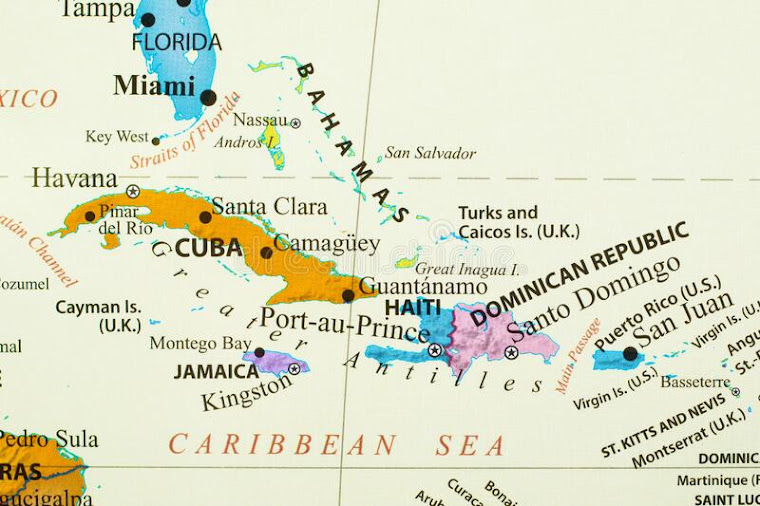
Saturday, April 23, 2011
It would be most appreciated if Honourable Members of the House of Assembly and the public become familiar with the terms of the Investment Policy of The Bahamas
Communication by
Rt. Hon. Hubert A. Ingraham
On National Investment Policy and
Investment Promotional Materials
Rt. Hon. Hubert A. Ingraham
On National Investment Policy and
Investment Promotional Materials
Mr. Speaker,
I am pleased to table for the information of Honourable Members a copy of the new Bahamas Promotional Brochure “The Bahamas: A Paradise for Many Reasons” together with sector information flyers on the tourism and hotel sector, international financial services and Freeport, Grand Bahama.
Members will recall that the brochure was released to the Bahamian media immediately prior to my recent attendance at the IDB Annual Meetings in Calgary, Canada and my subsequent participation in a Bahamas trade and investment mission in Calgary and Toronto.
I advise that the sector information flyers have been translated into the Chinese languages of Mandarin and Cantonese, as well as in Spanish. Translation to Portuguese and French are contemplated in the near future.
Mr. Speaker,
This updated version of the brochure, first published by my government in the 1990s, takes into account developments and changes in the investment and business climate of The Bahamas over the last 15 years or so.
In particular, I draw Honourable Members attention to changes to the National Investment Policy which are incorporated in the brochure. Our National Investment Policy, as Honourable Members are aware, is an evolved policy, some aspects of which date back to the 1960s.
It is neither an FNM nor a PLP policy, and is intended to be a national policy to guide policies of Government, which governments can change when they see fit.
The policies were first articulated and published in a formal way in 1993 as my Government sought to bring increased certainty and transparency to our business and investment environment, thereby enhancing the country’s attractiveness to the foreign direct investment required to foster economic growth.
It would be most appreciated if Honourable Members and the public become familiar with the terms of the Investment Policy of The Bahamas. Much misinformation is communicated from time to time about the investment policies of The Bahamas.
The amendments to the National Investment Policy include:
1. The minimum dollar requirement for direct foreign investment in a commercial undertaking has been increased from $250,000 to $500,000.
2. The minimum required value of a residence acquired by an foreign person for the purpose of seeking accelerated consideration of permanent resident status has been increased from $500,000 to $1.5 million. Honourable Members would recall that this figure had previously been increased from $250,000 to $500,000.
This does not mean that someone cannot obtain permanent residency in The Bahamas if they purchase a residence for a value of less than $1.5 million. What it does mean, if you are purchasing one (a residence) for $1.5 million or more, you will get speedy consideration of that application by the Government agency – i.e., you would be pulled out from the pile and processed speedily. In fact, provided you have all of the required documentation, it is expected that you would be able to have a response of a “yay” or “nay” within 21 days of the completed application being in the hands of the Department of Immigration. We seek to encourage persons who are purchasing or expending that sort of money plus, for a residence in The Bahamas.
There is no requirement in terms of our policy for persons coming to The Bahamas to attend a Directors Meeting of a company incorporated in The Bahamas to obtain a work permit. We want to encourage and facilitate such persons in entry into The Bahamas; we want to facilitate them and accommodate them. And we want to get out of the business of nickel-and-diming them.
While we have a homeowner’s card which permits someone with a residence in The Bahamas to enter as often as they like during the course of the 12 month period in respect of which the card is valid, you need not have a homeowner’s card to be facilitated in coming to The Bahamas.
Canadians and Americans as examples are able to come to The Bahamas if they have a residence in The Bahamas and stay for up to eight months. And so Immigration Officers in places such as Eleuthera, Exuma and Long Island who have been giving such people 30 days instead of the length of time they are required to be in The Bahamas, ought to discontinue doing so. It is not the intention of the government of The Bahamas to force a homeowner to obtain a homeowner’s card – it is something they can access if they choose, but they do not have to access it.
We have many residents – Canadians and Americans – who own homes in the Family Islands and elsewhere, who come down for many months out of the year and who spend money in our economy. And I am tired of getting complaints about how they are being hassled at various places in terms of the length of time they can stay in the country.
3. The restriction prohibiting international investments in restaurants and or entertainment facilities (e.g. theme parks) unless a part of a hotel resort, has been eliminated.
As you will know Mr. Speaker, the amendments made to the Hotel Encouragement Act for restaurants and other tourist related businesses in areas frequented by tourists but not within a hotel, have been in effect now for probably two years.
The revised Investment Policy also makes provision that approved investors in major development projects which investment creates employment and business opportunities for Bahamian citizens and who own or acquire a residence in The Bahamas, may be granted Permanent Residency status with the right to work in their own business.
Examples of this abound, Mr. Speaker: Butch Stewart who owns Sandals, John Issa who owns Breezes or the man who owns Robin Hood food store, are permanent residents with the right to work in their own businesses in The Bahamas. And that is an area that we say was reserved for Bahamians - but he has the right to work.
Permanent Residents continue to be required to register all real property acquisitions with the Investments Board. The fact that you are required to register it causes us to be in a position to know what non-Bahamian citizens own in our economy in terms of real estate, and we regard that as critical and vital national data to have.
As regards the Investment Policy concerning the registration of land acquisition by international persons generally, Members would recall that in 2009, the International Persons Landholding Act was amended to provide that all international persons only need register acquisitions of owner-occupied property of two acres and under - reduced from five acres.
You would recall Mr. Speaker, that back in 1993, we passed a law which remained in effect until 2009 that permitted a foreign person to purchase property in The Bahamas for the purpose of constructing a residence/house of five acres or less.
That served us well for 15 years or more. There were concerns expressed by a number of Bahamians and others, and we therefore reduced the acreage to two instead of five. Now such persons are still required to provide us with information about the source of their funding, their character certificates and the like, because notwithstanding that they are required to register it, we do want to know who is in The Bahamas, who owns property in The Bahamas and if the question arises in the future, the Government wants to be in a position to be able to respond to those questions.
And so while some people find getting a police certificate, getting a letter of reference from the bank and other such information offensive and a nuisance, it is not a requirement that we can see our way clear to remove. The Government does not grant permission for you to do so, but it requires this additional information in order for you to register your acquisition in The Bahamas.
If you are acquiring property of more than two acres, then you need a permit from the Government. You have to apply and the Investment Board reserves the right to say yes or no to any such application.
Mr. Speaker:
Every effort has been made to ensure that the Investment Policy is expressed in as apolitical way as possible taking into account the reality that our investment policies generally reflect the time honoured acceptance that the Bahamian economy is primarily driven by the tourism and financial services sectors, areas overwhelmingly involving international participation and investment.
Further, the policy reflects successive government’s dedication to promoting and incentivizing investment and development in light manufacturing and industry primarily in Grand Bahama, also with international participation.
And, finally, the Policy reflects the Government’s interest in promoting investment in the agricultural and marine resources sectors.
I invite Honourable Members to acquaint themselves with the policy, and with the booklet.
Fifteen years ago when we produced this book it was printed outside The Bahamas. This book was now printed by the Government Printing Department.
Finally Mr. Speaker, the policy is not a policy in concrete, it is a policy that continues to evolve, and the extent to which Members on either side have suggestions about amendments to the policy, they are invited to do so.
The next investment promotional trip of The Bahamas will be sometime this summer in Brazil, which I propose to lead.
18th April, 2011
bahamas.gov.bs
Subscribe to:
Posts (Atom)


