Kerzner concerned about terms of Baha Mar deal
By CANDIA DAMES
Guardian News Editor
candia@nasguard.com
Kerzner International Chairman and CEO Sir Sol Kerzner has concerns about some of the terms of the $2.6 billion Baha Mar deal, Prime Minister Hubert Ingraham said yesterday.
Ingraham told reporters at a meet the press event that he met with Kerzner yesterday morning to discuss those concerns.
“There are some concerns on the part of Kerzner as to the extent to which Baha Mar is getting a deal from The Bahamas that is more favorable to them than Kerzner got,” Ingraham said.
“In 2003 when the government of the day signed an agreement for Kerzner to do its phase three, it agreed that nobody would get a better deal in The Bahamas for any development than Kerzner got.”
He added, “They are concerned about the extent to which they themselves had to pay huge sums of money for property to do their development and Baha Mar was given property at [concessionary] prices. Secondly, they were required to hire 70 percent (Bahamian) workers on their job, and only 30 percent foreigners and we are considering giving Baha Mar these 5,000 to 8,000 Chinese workers.”
Ingraham said Kerzner International officials will get back to the government on the extent to which they have justifiable reasons for their concerns.
“And we will review their concerns and make determinations, but in the meantime it will not interfere with our intention to approve the Baha Mar project by the end of this month,” he said.
Asked whether Kerzner International plans to pursue a phase four of its development, Ingraham said, “The reality is even if they had the money and even if they had the will, the desire, nobody would do a phase four at Atlantis if you’re going to put down on Cable Beach another 2,600 hotel rooms and all the facilities.
“The reality is that there is only one market. Nassau is only just one place and airlift and business and profitability and room rates and the whole host of things (come into play). So it isn’t likely that they are going to do another phase at the moment. That’s not likely.”
Ingraham said Kerzner told him yesterday that there is no truth to rumors that he is considering selling the Atlantis Resort on Paradise Island.
“He said absolutely not,” Ingraham said. “I believe him.”
11/15/2010
thenassauguardian
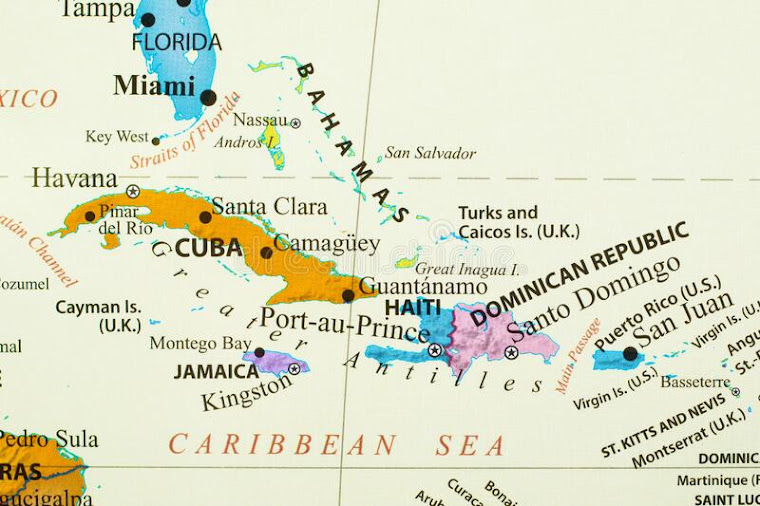
A political blog about Bahamian politics in The Bahamas, Bahamian Politicans - and the entire Bahamas political lot. Bahamian Blogger Dennis Dames keeps you updated on the political news and views throughout the islands of The Bahamas without fear or favor. Bahamian Politicians and the Bahamian Political Arena: Updates one Post at a time on Bahamas Politics and Bahamas Politicans; and their local, regional and international policies and perspectives.
Monday, November 15, 2010
Prime Minister Hubert Ingraham confirmed that the Baha Mar project would likely be approved by the government ...
Govt to approve Baha Mar
By BRENT DEAN
Deputy News Editor - The Nassau Guardian
brentldean@nasguard.com
As a result of negotiations between Prime Minister Hubert Ingraham and the Chinese, and subsequent negotiations between the Chinese and Baha Mar, subcontracts to Bahamians in connection with the Baha Mar project will increase from $200 million to $400 million.
“This will be the largest award of contracts to Bahamian contractors on a single project. Contracts will be awarded to large, medium, small-scale and individual contractors. This is in keeping with my government’s commitment to deepening and broadening economic opportunities for all Bahamians,” said Ingraham yesterday at a news conference at the British Colonial Hilton.
Ingraham used the news conference to update the country on his recent visit to China. During the trip, he met with Baha Mar’s partners – China Export-Import Bank (China Eximbank) and China State Construction Engineering Corporation (CSCEC) – about potential changes to the $2.6 billion Cable Beach development.
Before those meetings, Ingraham had expressed concern about several components of the project. These concerns included the resort being built in one phase; Baha Mar needing equity partners; and that under the plan, Bahamians would not work on the hotel core.
Ingraham was not able to win concessions based on all of his concerns. He said there has been no final agreement on the phased entry of rooms at the resort into the marketplace.
However, along with the increase in subcontracted work to local firms, Bahamians will now work on the hotel core, according to Ingraham.
The prime minister also confirmed that he has been advised by Baha Mar and the China Eximbank that Hyatt will invest $40 million into the development. Rosewood Hotels and Resorts and Morgans Hotel Group will invest $10 million each, he added.
CSCEC will invest $150 million into Baha Mar.
One of the early hurdles to approval of the project by the government was the resolution of Baha Mar’s loan payment to Scotiabank. The bank and developer recently settled.
Yesterday Ingraham revealed Scotiabank’s equity stake in the project.
“The Bank of Nova Scotia is leaving in its unpaid balance of its loan to the extent of 12 percent of the project,” he said.
China Eximbank is extending a $2.45 billion loan to the developers.
Baha Mar and its Chinese partners have also agreed to significant training opportunities for Bahamians, Ingraham said.
This will include the establishment of a training and service academy.
“The academy will be permanent, offering ongoing training opportunities for employees and prospective employees,” Ingraham explained.
According to the prime minister, Baha Mar has confirmed that in the 12 to 24 months before the resort’s opening, which is projected for early 2014, high performance individuals would be selected by the hotel operators and placed within their hotel systems throughout the world.
“These individuals will be placed in job shadowing programs, on the job training programs, and hotel specific systems training programs. Baha Mar will also be hiring executive staff and training individuals who will staff the anticipated job fairs and will be conducting employment interviews,” Ingraham said.
During the 12 months before the resort opens, it is projected that the hiring and job fairs would begin at Baha Mar.
“Baha Mar anticipates hiring and training approximately 7,000 employees during this period,” Ingraham said. “It is also expected that a number of the Bahamian construction workers in a variety of trades will be interested in filling ongoing maintenance positions since they will be very familiar with the project’s mechanical, electrical and plumbing infrastructure.”
The training initiative is expected to continue after the resort opens.
The Baha Mar resolution is scheduled to be debated in the House of Assembly on Wednesday and Thursday of this week.
The prime minister confirmed that the project would likely be approved by the government by the end of November. Contracts for Bahamian firms could be issued as early as December, with work beginning in January 2011, Ingraham confirmed.
He added that it is likely to take CSCEC three months to mobilize. Construction on the hotel core could start by the second quarter of 2011, according to the prime minister.
Ingraham did not specify a number, but he said that as a result of the changes to the development, the number of Bahamians employed would increase by thousands.
The Progressive Liberal Party (PLP) issued a response last night to Ingraham’s statements on Baha Mar.
“If the PM's apparent big accomplishment from his trip to China was increasing Bahamian participation in the Baha Mar project from $200 million to $400 million, then he in essence admitted that his recent trip to China was futile, a failure and a waste of public funds,” said the PLP.
Though the $400 million allocation of work to subcontractors is a new component of the deal, the PLP said Bahamian participation “was always substantially greater than $200 million, so the PM broke no new ground on this.”
The opposition party also criticized Ingraham for not having reached agreement to reduce the number of foreign workers helping to build the resort.
“Notwithstanding the PM’s public pronouncement that he did not agree with the large number of work permits required for this project, the numbers he affirmed today remain at a maximum of 8,150 permits over the scope of the project,” said the PLP.
11/15/2010
thenassauguardian
By BRENT DEAN
Deputy News Editor - The Nassau Guardian
brentldean@nasguard.com
As a result of negotiations between Prime Minister Hubert Ingraham and the Chinese, and subsequent negotiations between the Chinese and Baha Mar, subcontracts to Bahamians in connection with the Baha Mar project will increase from $200 million to $400 million.
“This will be the largest award of contracts to Bahamian contractors on a single project. Contracts will be awarded to large, medium, small-scale and individual contractors. This is in keeping with my government’s commitment to deepening and broadening economic opportunities for all Bahamians,” said Ingraham yesterday at a news conference at the British Colonial Hilton.
Ingraham used the news conference to update the country on his recent visit to China. During the trip, he met with Baha Mar’s partners – China Export-Import Bank (China Eximbank) and China State Construction Engineering Corporation (CSCEC) – about potential changes to the $2.6 billion Cable Beach development.
Before those meetings, Ingraham had expressed concern about several components of the project. These concerns included the resort being built in one phase; Baha Mar needing equity partners; and that under the plan, Bahamians would not work on the hotel core.
Ingraham was not able to win concessions based on all of his concerns. He said there has been no final agreement on the phased entry of rooms at the resort into the marketplace.
However, along with the increase in subcontracted work to local firms, Bahamians will now work on the hotel core, according to Ingraham.
The prime minister also confirmed that he has been advised by Baha Mar and the China Eximbank that Hyatt will invest $40 million into the development. Rosewood Hotels and Resorts and Morgans Hotel Group will invest $10 million each, he added.
CSCEC will invest $150 million into Baha Mar.
One of the early hurdles to approval of the project by the government was the resolution of Baha Mar’s loan payment to Scotiabank. The bank and developer recently settled.
Yesterday Ingraham revealed Scotiabank’s equity stake in the project.
“The Bank of Nova Scotia is leaving in its unpaid balance of its loan to the extent of 12 percent of the project,” he said.
China Eximbank is extending a $2.45 billion loan to the developers.
Baha Mar and its Chinese partners have also agreed to significant training opportunities for Bahamians, Ingraham said.
This will include the establishment of a training and service academy.
“The academy will be permanent, offering ongoing training opportunities for employees and prospective employees,” Ingraham explained.
According to the prime minister, Baha Mar has confirmed that in the 12 to 24 months before the resort’s opening, which is projected for early 2014, high performance individuals would be selected by the hotel operators and placed within their hotel systems throughout the world.
“These individuals will be placed in job shadowing programs, on the job training programs, and hotel specific systems training programs. Baha Mar will also be hiring executive staff and training individuals who will staff the anticipated job fairs and will be conducting employment interviews,” Ingraham said.
During the 12 months before the resort opens, it is projected that the hiring and job fairs would begin at Baha Mar.
“Baha Mar anticipates hiring and training approximately 7,000 employees during this period,” Ingraham said. “It is also expected that a number of the Bahamian construction workers in a variety of trades will be interested in filling ongoing maintenance positions since they will be very familiar with the project’s mechanical, electrical and plumbing infrastructure.”
The training initiative is expected to continue after the resort opens.
The Baha Mar resolution is scheduled to be debated in the House of Assembly on Wednesday and Thursday of this week.
The prime minister confirmed that the project would likely be approved by the government by the end of November. Contracts for Bahamian firms could be issued as early as December, with work beginning in January 2011, Ingraham confirmed.
He added that it is likely to take CSCEC three months to mobilize. Construction on the hotel core could start by the second quarter of 2011, according to the prime minister.
Ingraham did not specify a number, but he said that as a result of the changes to the development, the number of Bahamians employed would increase by thousands.
The Progressive Liberal Party (PLP) issued a response last night to Ingraham’s statements on Baha Mar.
“If the PM's apparent big accomplishment from his trip to China was increasing Bahamian participation in the Baha Mar project from $200 million to $400 million, then he in essence admitted that his recent trip to China was futile, a failure and a waste of public funds,” said the PLP.
Though the $400 million allocation of work to subcontractors is a new component of the deal, the PLP said Bahamian participation “was always substantially greater than $200 million, so the PM broke no new ground on this.”
The opposition party also criticized Ingraham for not having reached agreement to reduce the number of foreign workers helping to build the resort.
“Notwithstanding the PM’s public pronouncement that he did not agree with the large number of work permits required for this project, the numbers he affirmed today remain at a maximum of 8,150 permits over the scope of the project,” said the PLP.
11/15/2010
thenassauguardian

...we must seriously seek to address the reality that poverty confronts so many Bahamians
Poverty hindering students
By ADRIAN GIBSON
ajbahama@hotmail.com
ALL human beings have certain basic needs--food, shelter, love and affection, respect, trust, knowledge and truth (Abraham Maslow's Hierarchy of Human Needs, 1943).
Without question, if basic needs are not met, schoolchildren are liable to display disruptive behaviour.
For instance, if children come to school hungry or are lacking affection at home, possibly from an absentee or abusive parent, they are more likely to be disruptive in schools and have a series of failed relationships as adults.
Poverty--described by Webster's dictionary as the lack of money and/or material possessions--is a major reason why many Bahamian students are performing so poorly academically.
In the Bahamas, poverty is a serious problem that must be contended with in our public schools, as many students are so poor that they live well below the poverty line. Although several public schools have implemented lunch programmes to feed poor students, many of them are so burdened by problems at home that their grades are often not up to scratch.
I have discovered that many poverty-stricken children come from dysfunctional homes, where their parents are usually unemployed, penniless and are themselves poorly educated. In many cases, students who come from single parent and/or abusive homes are often mentally and financially incapable of handling the responsibility of schooling. In more extreme cases, some children are orphaned and most likely must hold a minimum wage job to fend for themselves and, in some instances, their siblings.
To the casual observer, there are many examples of underprivileged children throughout New Providence--on the sidewalks (sometimes selling fruit, peanuts, phone cards, etc), at the malls and in tourist areas such as Prince George Wharf where these youngsters can usually be seen hustling visitors disembarking cruise ships for a dollar or a quarter. Yes, this is a sad reality in our present-day Bahamas!
At the onset, the disadvantageous impact that poverty has on school performance can be seen as children whose parents are poor are unable to buy school uniforms, books and other paraphernalia, lunch and other amenities, and are thereby placed in an unfavourable position when compared to their more fortunate classmates.
Not having food to eat on a daily basis causes the students to lose interest in school/education, as they are many times pondering ways of satisfying their greatest concern--i.e. attaining a meal--and possibly suffering from severe hunger pains (gas). A hungry, mentally disturbed and improperly clothed student's last interest is school!
Indeed, many countries are plagued by widespread poverty. Although the number of people living below the poverty line is not high in the Bahamas, recent statistics are troubling as they show that nearly 10 per cent of our population live below the poverty line and that one in five persons between the ages of 15 and 24 presently lives in poverty.
Around the world, particularly in impoverished countries such as Bangladesh and Haiti, a large proportion of these populations are illiterate and economically hampered by poverty--e.g. many persons in these countries work in clothing sweatshops for an average of 17 cents per week. Astonishingly, two-thirds of all children in Latin America reportedly leave school before finishing the fifth grade!
In the Bahamas, although a student is only legally allowed to quit school at 16, I have been told that many students, for various reasons, drop out much earlier.
Indeed, I have personally discovered that students affected by poverty lack the motivation to complete their schoolwork, hardly attend school, are anti-social and are sometimes violent.
Also, I've found that these students--who may alienate themselves from their guardians and teachers--are usually ill-prepared for classes, displaying poor language and reading skills and usually suffering from malnutrition.
In a Tribune article published a few years ago, former Deputy Prime Minister and St. Cecilia MP Cynthia "Mother" Pratt claimed that government schools in the Bahamas are becoming too expensive for poor students. According to Mother Pratt, if school costs continued to increase, poor people would not be able to afford a good education for their children.
At that time, she said that although Social Services renders assistance to poor parents by helping them to prepare their children for school, Social Services can only do so much. The former DPM stated that it costs $350 to $400 for each government junior/senior high school student to be re-admitted for a new school year--and she felt that many parents were incapable of this. I concur.
A few months ago, social activist and Workers Party leader Rodney Moncur raised similar concerns as he protested registration fees charged by public schools, arguing that these charges were illegal and further dispossessed already impoverished people.
That said, if Social Services are limited in their capacity to assist, what other avenues, besides the few church-related/faith-based feeding programmes, are available to poor Bahamians seeking help?
Poverty greatly hinders school performance. Unfortunately, the unequal distribution of wealth and resources around the world plays a major role in the illiteracy rate of people across the globe, even in this the 21st century.
Although education is an important facet to living in today's world, in families and/or societies that are stricken by poverty, attaining an education is not a priority since bettering themselves financially and having food to eat is at the centre of their attention.
In the Bahamas, a country where education consumes the lion's share of our annual national budgets, we must seriously seek to address the reality that poverty confronts so many Bahamians.
THE EVER CHANGING ROLE OF TEACHERS
The school is where the transmission of moral and occupational education, discipline and the values necessary for the survival of society are taught.
Frankly, the role of a teacher in today's Bahamas continues to evolve beyond that of a facilitator of social and intellectual needs and the maintenance of records, classroom organization and management conducive to the learning environment.
An educator today serves as teacher, role model, parent, preacher, doctor/caregiver, disciplinarian, motivator, police officer, mediator, guidance counsellor, etcetera.
Quality teachers are agents of change who encourage students to achieve their goals and a sense of autonomy whilst becoming dutiful citizens. Although there are critics (many of whom without the slightest idea of intricacies of teaching), teaching is one of the most toilsome and important jobs today, establishing relationships of trust and understanding and helping to foster the development of positive self-image and decision-making skills; assisting students with the development of their skills, competencies, values and preferences; and helping students to realistically examine their potential abilities and also providing clear, dispassionate interpretation of content/information being presented. Teachers continue to be one of the greatest facilitators of a wholesome community atmosphere that, in these times when criminal activity is becoming the norm, is being threatened.
To use the words of the philosopher Cicero:
"What nobler employment or more valuable to the state, than that of instructing the younger generation?"
November 12, 2010
tribune242
By ADRIAN GIBSON
ajbahama@hotmail.com
ALL human beings have certain basic needs--food, shelter, love and affection, respect, trust, knowledge and truth (Abraham Maslow's Hierarchy of Human Needs, 1943).
Without question, if basic needs are not met, schoolchildren are liable to display disruptive behaviour.
For instance, if children come to school hungry or are lacking affection at home, possibly from an absentee or abusive parent, they are more likely to be disruptive in schools and have a series of failed relationships as adults.
Poverty--described by Webster's dictionary as the lack of money and/or material possessions--is a major reason why many Bahamian students are performing so poorly academically.
In the Bahamas, poverty is a serious problem that must be contended with in our public schools, as many students are so poor that they live well below the poverty line. Although several public schools have implemented lunch programmes to feed poor students, many of them are so burdened by problems at home that their grades are often not up to scratch.
I have discovered that many poverty-stricken children come from dysfunctional homes, where their parents are usually unemployed, penniless and are themselves poorly educated. In many cases, students who come from single parent and/or abusive homes are often mentally and financially incapable of handling the responsibility of schooling. In more extreme cases, some children are orphaned and most likely must hold a minimum wage job to fend for themselves and, in some instances, their siblings.
To the casual observer, there are many examples of underprivileged children throughout New Providence--on the sidewalks (sometimes selling fruit, peanuts, phone cards, etc), at the malls and in tourist areas such as Prince George Wharf where these youngsters can usually be seen hustling visitors disembarking cruise ships for a dollar or a quarter. Yes, this is a sad reality in our present-day Bahamas!
At the onset, the disadvantageous impact that poverty has on school performance can be seen as children whose parents are poor are unable to buy school uniforms, books and other paraphernalia, lunch and other amenities, and are thereby placed in an unfavourable position when compared to their more fortunate classmates.
Not having food to eat on a daily basis causes the students to lose interest in school/education, as they are many times pondering ways of satisfying their greatest concern--i.e. attaining a meal--and possibly suffering from severe hunger pains (gas). A hungry, mentally disturbed and improperly clothed student's last interest is school!
Indeed, many countries are plagued by widespread poverty. Although the number of people living below the poverty line is not high in the Bahamas, recent statistics are troubling as they show that nearly 10 per cent of our population live below the poverty line and that one in five persons between the ages of 15 and 24 presently lives in poverty.
Around the world, particularly in impoverished countries such as Bangladesh and Haiti, a large proportion of these populations are illiterate and economically hampered by poverty--e.g. many persons in these countries work in clothing sweatshops for an average of 17 cents per week. Astonishingly, two-thirds of all children in Latin America reportedly leave school before finishing the fifth grade!
In the Bahamas, although a student is only legally allowed to quit school at 16, I have been told that many students, for various reasons, drop out much earlier.
Indeed, I have personally discovered that students affected by poverty lack the motivation to complete their schoolwork, hardly attend school, are anti-social and are sometimes violent.
Also, I've found that these students--who may alienate themselves from their guardians and teachers--are usually ill-prepared for classes, displaying poor language and reading skills and usually suffering from malnutrition.
In a Tribune article published a few years ago, former Deputy Prime Minister and St. Cecilia MP Cynthia "Mother" Pratt claimed that government schools in the Bahamas are becoming too expensive for poor students. According to Mother Pratt, if school costs continued to increase, poor people would not be able to afford a good education for their children.
At that time, she said that although Social Services renders assistance to poor parents by helping them to prepare their children for school, Social Services can only do so much. The former DPM stated that it costs $350 to $400 for each government junior/senior high school student to be re-admitted for a new school year--and she felt that many parents were incapable of this. I concur.
A few months ago, social activist and Workers Party leader Rodney Moncur raised similar concerns as he protested registration fees charged by public schools, arguing that these charges were illegal and further dispossessed already impoverished people.
That said, if Social Services are limited in their capacity to assist, what other avenues, besides the few church-related/faith-based feeding programmes, are available to poor Bahamians seeking help?
Poverty greatly hinders school performance. Unfortunately, the unequal distribution of wealth and resources around the world plays a major role in the illiteracy rate of people across the globe, even in this the 21st century.
Although education is an important facet to living in today's world, in families and/or societies that are stricken by poverty, attaining an education is not a priority since bettering themselves financially and having food to eat is at the centre of their attention.
In the Bahamas, a country where education consumes the lion's share of our annual national budgets, we must seriously seek to address the reality that poverty confronts so many Bahamians.
THE EVER CHANGING ROLE OF TEACHERS
The school is where the transmission of moral and occupational education, discipline and the values necessary for the survival of society are taught.
Frankly, the role of a teacher in today's Bahamas continues to evolve beyond that of a facilitator of social and intellectual needs and the maintenance of records, classroom organization and management conducive to the learning environment.
An educator today serves as teacher, role model, parent, preacher, doctor/caregiver, disciplinarian, motivator, police officer, mediator, guidance counsellor, etcetera.
Quality teachers are agents of change who encourage students to achieve their goals and a sense of autonomy whilst becoming dutiful citizens. Although there are critics (many of whom without the slightest idea of intricacies of teaching), teaching is one of the most toilsome and important jobs today, establishing relationships of trust and understanding and helping to foster the development of positive self-image and decision-making skills; assisting students with the development of their skills, competencies, values and preferences; and helping students to realistically examine their potential abilities and also providing clear, dispassionate interpretation of content/information being presented. Teachers continue to be one of the greatest facilitators of a wholesome community atmosphere that, in these times when criminal activity is becoming the norm, is being threatened.
To use the words of the philosopher Cicero:
"What nobler employment or more valuable to the state, than that of instructing the younger generation?"
November 12, 2010
tribune242
Sunday, November 14, 2010
...Justice Lyons found John Sands, aided by his attorney Leon Smith of Smith, Smith and Co, fraudulently obtained title to a 156-acre tract of land owned by Arawak Homes
Senior Justice 'missed opportunity to fully investigate attorneys accused of misconduct'
By NOELLE NICOLLS
Tribune Staff Reporter
nnicolls@tribunemedia.net

SENIOR Justice John Lyons missed an opportunity to fully investigate attorneys accused of misconduct in the Pinewood debacle by failing to do the necessary follow through, it was claimed.
"It requires more on his behalf than just sending a copy of the ruling," said a senior member of the Bahamas Bar Association.
In a 2003 ruling, Justice Lyons hinted at possible wrong doing on the part of several attorneys and the interested parties, noting "blatant fraud" was at play in attempts to substantiate a certificate of title to land in Pinewood.
Justice Lyons ordered the court to forward its ruling to the Registrar, Bar Association, Attorney General and Director of Public Prosecutions for disciplinary action, contempt action and investigations into possible breaches of the Penal Code.
It is understood that the ethics committee of the Bar Association never received transcripts of the trial.
None of the institutions has acted on the findings of the Supreme Court, according to executives at Arawak Homes.
In his judgment Justice Lyons found John Sands, aided by his attorney Leon Smith of Smith, Smith and Co, fraudulently obtained title to a 156-acre tract of land owned by Arawak Homes.
Mr Smith was later disbarred for an unrelated matter. Recent attempts by Mr Smith to be reinstated resulted in his arrest. A decision is pending with the Bar Council.
Misconduct
Justice Lyons also accused lawyer Derrence Rolle, now a magistrate, and James Thompson, now deceased, of serious misconduct and wasting court time as they represented John Sands and his attorney Mr Smith in the land dispute with Arawak Homes. The sons of Mr Thompson have made several attempts to clear their father's name in the face of unfair "smears."
Many commentators have called Justice Lyons' ruling a clear indictment of the various attorneys. However, some say Justice Lyons was notorious for "making noise" and "shooting from the hip."
"Justice Lyons shoots from the hips. In a lot of cases he castigates people, but when it comes time for him to sign his name on the dotted line for a formal complaint he never did," said a senior attorney.
There have been instances where Justice Lyons took the "proper and required" action, but not in the case of Mr Sands and his band of attorneys, she claimed. Justice Lyons is now retired and living in Australia.
Magistrate Derrence Rolle was appointed to the bench three years after he was criticised by Justice Lyons in his judgment on the Arawak Homes case. The appointment was made by Chief Justice Sir Burton Hall in 2006.
Questions raised about the promotion of Mr Rolle seem to fallen on deaf ears. Government agencies could give no explanation in view of the September 2003 Supreme Court judgment.
"Justice Lyons has to go a step further definitely. That is in law called 'a by the way'. You ought not even quote that as an attorney unless you are saying it has some substance. It is his opinion. If they wanted to deal with it from that aspect they could have, but they did not," said another attorney, familiar with the case.
She pointed to the fact that Magistrate Rolle "is always having his matters appealed when he makes certain rulings."
"He has the (reputation) for the most appeals being overturned. Certainly if they felt he ought not to be there he would have been removed by now," she said.
Just this week, Magistrate Rolle was criticised by the Court of Appeal for exceeding his sentencing powers, and issuing a "manifestly unlawful sentence" in the case of a man charged with burglary and stealing.
"Justice Lyons had his own idiosyncrasies. Some people liked them; some people didn't; some people respected them; some people didn't," said the attorney.
November 13, 2010
tribune242
By NOELLE NICOLLS
Tribune Staff Reporter
nnicolls@tribunemedia.net

SENIOR Justice John Lyons missed an opportunity to fully investigate attorneys accused of misconduct in the Pinewood debacle by failing to do the necessary follow through, it was claimed.
"It requires more on his behalf than just sending a copy of the ruling," said a senior member of the Bahamas Bar Association.
In a 2003 ruling, Justice Lyons hinted at possible wrong doing on the part of several attorneys and the interested parties, noting "blatant fraud" was at play in attempts to substantiate a certificate of title to land in Pinewood.
Justice Lyons ordered the court to forward its ruling to the Registrar, Bar Association, Attorney General and Director of Public Prosecutions for disciplinary action, contempt action and investigations into possible breaches of the Penal Code.
It is understood that the ethics committee of the Bar Association never received transcripts of the trial.
None of the institutions has acted on the findings of the Supreme Court, according to executives at Arawak Homes.
In his judgment Justice Lyons found John Sands, aided by his attorney Leon Smith of Smith, Smith and Co, fraudulently obtained title to a 156-acre tract of land owned by Arawak Homes.
Mr Smith was later disbarred for an unrelated matter. Recent attempts by Mr Smith to be reinstated resulted in his arrest. A decision is pending with the Bar Council.
Misconduct
Justice Lyons also accused lawyer Derrence Rolle, now a magistrate, and James Thompson, now deceased, of serious misconduct and wasting court time as they represented John Sands and his attorney Mr Smith in the land dispute with Arawak Homes. The sons of Mr Thompson have made several attempts to clear their father's name in the face of unfair "smears."
Many commentators have called Justice Lyons' ruling a clear indictment of the various attorneys. However, some say Justice Lyons was notorious for "making noise" and "shooting from the hip."
"Justice Lyons shoots from the hips. In a lot of cases he castigates people, but when it comes time for him to sign his name on the dotted line for a formal complaint he never did," said a senior attorney.
There have been instances where Justice Lyons took the "proper and required" action, but not in the case of Mr Sands and his band of attorneys, she claimed. Justice Lyons is now retired and living in Australia.
Magistrate Derrence Rolle was appointed to the bench three years after he was criticised by Justice Lyons in his judgment on the Arawak Homes case. The appointment was made by Chief Justice Sir Burton Hall in 2006.
Questions raised about the promotion of Mr Rolle seem to fallen on deaf ears. Government agencies could give no explanation in view of the September 2003 Supreme Court judgment.
"Justice Lyons has to go a step further definitely. That is in law called 'a by the way'. You ought not even quote that as an attorney unless you are saying it has some substance. It is his opinion. If they wanted to deal with it from that aspect they could have, but they did not," said another attorney, familiar with the case.
She pointed to the fact that Magistrate Rolle "is always having his matters appealed when he makes certain rulings."
"He has the (reputation) for the most appeals being overturned. Certainly if they felt he ought not to be there he would have been removed by now," she said.
Just this week, Magistrate Rolle was criticised by the Court of Appeal for exceeding his sentencing powers, and issuing a "manifestly unlawful sentence" in the case of a man charged with burglary and stealing.
"Justice Lyons had his own idiosyncrasies. Some people liked them; some people didn't; some people respected them; some people didn't," said the attorney.
November 13, 2010
tribune242
Saturday, November 13, 2010
The various arguments presented by Arawak Homes Limited (AHL) in the - Pinewood/Nassau Village Subdivisions - to bolster its case as "the victim" are, "not as honourable as they might appear."

Truth of Pinewood 'will never, ever come to light'
By NOELLE NICOLLS
Tribune Staff Reporter
nnicolls@tribunemedia.net
THE truth of Pinewood "will never, ever" come to light, according to an informed member of the Bahamas Bar Association.
The matter is "too complex", she said, and it is impossible to piece the puzzle back together again.
The senior attorney, who wished to speak on condition of anonymity, claimed that the various arguments presented by Arawak Homes Limited (AHL) to bolster its case as "the victim" are, in her opinion, "not as honourable as they might appear."
Based on several Supreme Court rulings, all titles in the Pinewood Subdivision, and some documented as Nassau Village, deriving from John Sands, Thaddeus Johnson and Eleazor Ferguson are suspect. This has left hundreds of home owners without valid title to their land.
One of the pivotal rulings, establishing AHL's certificate of title over some 156 acres, was presided over by Senior Justice John Lyons, whose decision some in the legal profession do not agree with. Justice Lyons is a retiree, living in Australia.
Seeking compensation from the home owners, AHL is encouraging them to come in and regularise their titles. Mr Wilson said the company's policy is to "sell its interest in the land to trespassers below market value to allow them to regularise their title."
This includes land purchased by dozens of property owners from Dennis Dean, president of the Nassau Village Seabreeze Property Owners Association, or through companies such as C.B. Bahamas Ltd or Bahamas Variety.
There are several issues that complicate the matter. One is the issue of the alleged "paper subdivision" known as the "1926 Nassau Village Plan." Many of the properties with "invalid" title are documented as being in the Nassau Village Subdivision, not Pinewood Gardens 2.
The name "Pinewood" was changed to Sir Lynden Pindling Estates when acquired by AHL in 1983.
Arawak Homes claims that two plans for Nassau Village exist: one plan being the actual Nassau Village Subdivision in the Kennedy constituency and the other being a "paper subdivision" that was never approved.
This plan was designed by a Florida based firm called Yoreland Realty and contained sections of land in the Pinewood Gardens Subdivision actually owned by Arawak Homes, according to Franon Wilson, AHL president.
"The (paper subdivision) is not an accurate representation of the true Nassau Village," even though this was the plan used as the basis of the quieting actions for Mr Sands, Mr Johnson and Mr Ferguson, according to AHL.
The property Mr Sands sought to quiet was actually advertised as Nassau Village, and since the company had no interest in that area, executives claimed they did not know initially their property was being sought after.
A senior attorney, who claims to have reviewed the various plans, said the matter of the subdivisions is not so clear cut, because the plans do not "match up" when they are superimposed.
Various property owners, who believed they were in the Nassau Village Subdivision, and believed they possessed proper title, constructed homes in the middle of Sir Lynden Pindling Estates, sometimes inside thick bushy areas, prior to the area being developed by AHL.
Now that the company has reached the area, and discovered the hundreds of "trespassers," it claims: There are "more people encroaching than there is vacant land."
"The whole thing is wrought with confusion," said a senior attorney.
She speculated whether AHL would have got any public sympathy, "if they came up clean and said, 'this is the position, we are like everyone else in a financial bind, we can't afford to give these people the property on slack'."
She said the company probably "knew they would not get any public sympathy anyway", so they decided to aggressively seek compensation from "homeowners," with few financial resources to protect their interests.
"I think it is a case of money against no money. If the economy was different I think this thing would have played out differently," said the attorney.
She suggested the company's push for compensation is probably influenced by the down economy that has created cash flow and other financial challenges for many companies. Otherwise, she said the company may have acknowledged other choices, such as cutting their losses.
In her opinion it was unreasonable for AHL to seek any major compensation from home owners, even if below market value. Many of them, she said, purchased property from the John Sands certificate of title, before the title was challenged and eventually overturned.
"John Sands had a certificate of title. People didn't have to do anything and search, because a certificate of title is the highest form of title. You don't have to go further than that," said the attorney.
"You don't have to go behind the certificate ever. That is the best form of title," she said.
Short of Justice Lyons indicating in his judgment that he interviewed the various property owners, which he did not indicate, it cannot be known for certain.
Of the unfortunate situation, the attorney said it is unfair to lump everyone in the same category and assume all of the property owners had unscrupulous attorneys, because any attorney or buyer provided with proof of a certificate of title would have felt confident.
"Rightly or wrongly the suggestion is they purchased knowing that the certificate was fraudulent. Lyons ought to have made an investigation of that before he made his ruling," she said.
Based on conservative AHL rates, any settlement with the company would likely run property owners at least $50,000 or more, when it is likely the company only paid some $3,000 per lot for the disputed properties, the attorney claimed.
"They sell them for at least 30 times more than what they bought them for," she said. In her opinion "that is a little bit disingenuous."
After the mess that was created in the area over the past several decades, it is unreasonable to "financially prejudice" the property owners and slap them with huge burdens, she said.
Arawak Homes executives say they are sensitive to the fact that many people "have put a lot of money in the land"; however, they are burdened with a mortgage for land they have not been able to use for over 27 years.
Speaking on this claim, the attorney said it is doubtful that AHL is still paying off its original 1983 mortgage, granted to acquire 3,305 lots. According to her, banks do not do 30 year plus mortgages, no matter how many millions are being borrowed.
The attorney said the company's current mortgage obligations were likely based on a reorganisation of debt due for any number of reasons, such as acquisitions, expansion, restructuring or liquidity challenges.
Since the original mortgage would not have matched the value of the land, acre for acre, she said it was likely that the originally acquired property was now being leveraged for a "new debt facility."
November 12, 2010
tribune242
Friday, November 12, 2010
The Straw Vendors' Association demands the redesign of the new Straw Market ...
Vendors demand market redesign
By TANEKA THOMPSON
Tribune Staff Reporter
tthompson@tribunemedia.net
THE Straw Vendors' Association wants the design of the new Straw Market to be changed to accommodate more retailers in spaces designated for craft-making demonstrations, according to a well-placed source.
The request was made recently, however there is no indication so far that the Government will adjust its plans for the new market.
The $11.3 million project calls for several demonstration booths to be placed in the middle of the market which would showcase artisans creating crafts by hand. It is a feature those close to the design feel will add a form of entertainment and will keep customers in the centre longer, thus increasing business.
These demonstration booths will be larger than the standard three by six booth the straw vendors will occupy, and the association would like them to be replaced with areas where vendors can sell their goods, said the source.
"The vendors are an association, like a union, they want to be able to say to our vendors that we are accommodating as many people as possible (in the new market). They don't care about the design, they only want to be able to say to their vendors that they have maximised the number of people that can be there and that's been their position from day one," said the source.
In December, Ministry of Works' officials revealed the new market will only have space to house about 500 vendors.
The new market will span approximately 34,000 square feet at the ground level, and includes a 4,500 square foot mezzanine level. The ground floor will be open, however the air-conditioned upper level will be closed with space for after-school children's activities.
Attempts to reach association President Telator Strachan last night were unsuccessful.
During an earlier interview with The Tribune she said she felt affronted that tourism officials and the Bahamas Agricultural and Industrial Corporation are promoting artisans to sell their handmade goods on "prime" spots near docked cruise ships and along Bay Street.
"Another injustice (to vendors) is that BAIC and the Ministry of Tourism have placed these people on Bay Street and on the (Prince George Wharf) dock," she said, questioning why those retailers are allowed to convene on the street when Straw Market vendors are confined to one location.
"I have nothing against those (new) designs but BAIC and the ministry are advertising them as if they are the only authentic straw products in the Bahamas. They are pitting those people against straw vendors. They are giving them advertising and putting them in prime spots."
Ms Strachan suggested that these new crop of craft sellers be moved to Festival Place or an unused warehouse near Prince George Wharf - a site where the Government had previously suggested the Straw Market vendors relocate.
November 12, 2010
tribune242
By TANEKA THOMPSON
Tribune Staff Reporter
tthompson@tribunemedia.net
THE Straw Vendors' Association wants the design of the new Straw Market to be changed to accommodate more retailers in spaces designated for craft-making demonstrations, according to a well-placed source.
The request was made recently, however there is no indication so far that the Government will adjust its plans for the new market.
The $11.3 million project calls for several demonstration booths to be placed in the middle of the market which would showcase artisans creating crafts by hand. It is a feature those close to the design feel will add a form of entertainment and will keep customers in the centre longer, thus increasing business.
These demonstration booths will be larger than the standard three by six booth the straw vendors will occupy, and the association would like them to be replaced with areas where vendors can sell their goods, said the source.
"The vendors are an association, like a union, they want to be able to say to our vendors that we are accommodating as many people as possible (in the new market). They don't care about the design, they only want to be able to say to their vendors that they have maximised the number of people that can be there and that's been their position from day one," said the source.
In December, Ministry of Works' officials revealed the new market will only have space to house about 500 vendors.
The new market will span approximately 34,000 square feet at the ground level, and includes a 4,500 square foot mezzanine level. The ground floor will be open, however the air-conditioned upper level will be closed with space for after-school children's activities.
Attempts to reach association President Telator Strachan last night were unsuccessful.
During an earlier interview with The Tribune she said she felt affronted that tourism officials and the Bahamas Agricultural and Industrial Corporation are promoting artisans to sell their handmade goods on "prime" spots near docked cruise ships and along Bay Street.
"Another injustice (to vendors) is that BAIC and the Ministry of Tourism have placed these people on Bay Street and on the (Prince George Wharf) dock," she said, questioning why those retailers are allowed to convene on the street when Straw Market vendors are confined to one location.
"I have nothing against those (new) designs but BAIC and the ministry are advertising them as if they are the only authentic straw products in the Bahamas. They are pitting those people against straw vendors. They are giving them advertising and putting them in prime spots."
Ms Strachan suggested that these new crop of craft sellers be moved to Festival Place or an unused warehouse near Prince George Wharf - a site where the Government had previously suggested the Straw Market vendors relocate.
November 12, 2010
tribune242
Thursday, November 11, 2010
Outrage after Garden Hills MP Brensil Rolle asked Exumians what they think about the construction of marinas in the Exuma Land and Sea Park
Online outrage after MP poses marina development question
By PAUL G TURNQUEST
Tribune Staff Reporter
pturnquest@tribunemedia.net
FNM MP for Garden Hills Brensil Rolle got a little more than he bargained for after using his Facebook page to ask Exumians what they think about the construction of marinas in the Exuma Land and Sea Park.
The question was met with an immediate flurry of responses, many from persons outraged that the MP had asked for the opinion of Exumians only after the government granted approval for the development of Bell Island to Prince Karim al-Hussaini, the Aga Khan IV.
The permits will allow for the excavation of 4.32 acres of upland area for a yacht basin, 2.56 acres of sea floor for an outer channel, 4.28 acres of sea floor for a barge landing and 1.9 acres of sea floor for the outer area of the barge landing.
The approval has incensed many Bahamians, and Exumians in particular.
Earnestine McKenzie Bain wrote that if the government is going to allow marinas in the national park, poor local fishermen should be allowed to fish and gather conch from the area as well.
She added that straw vendors should be allowed to harvest the top portion of palm trees growing in the park to use in straw work.
Ms Bain noted that if you only take this part of the tree, it eventually grows back, whereas building a marina at Bell Island will kill precious reefs which will never grow back.
She wrote: "I really don't know why (you) ask the Exumians this question, when you guys are doing what you have planned anyway. To me it makes no sense."
Victor Grant wrote that while the construction of a marina may provide employment for a few Bahamians, the government ought to be formulating a plan to stimulate the economy on a wider scale, particularly to the benefit of former employees of the Four Seasons Resort in Great Exuma.
Terry Lamond Bain wrote: "Why ask people something your government has decided already?"
He asked if the government intends to put a marina on every island in the park.
"While you are at it, give out licenses to run jet-skis in the Flamingo sanctuary in Inagua and develop all other national parks too."
Mr Bain added: "By the way, Mr Rolle, the question ought to be directed to Bahamians - not just Exumians. The Exuma Cays Land and Sea Park is for all Bahamians! If the billionaire Brother Prince Aga Khan is a true environmentalist, he would hand over Bell Island to the Bahamas National Trust and buy all the other islands in the park and hand them over to the BNT..."
Nicolle Ferguson concurred that the MP's question should have been asked before the marina was approved - not after.
"As a young Exumian, I am not at all happy with what is going on around me and what is being allowed to happen by non-Bahamians.
Responding to the flood of negative comments, Mr Rolle wrote: "I just ask the question, nothing personel (personal)".
However, former MP for Exuma, George Smith, said the issue is a very personal one for Exumians, and Mr Rolle should know better.
Mr Smith said: "No one should suggest that the views of these Bahamians are anti to the Aga Khan. There is not one person in Exuma who would not welcome the Aga Khan as an investor.
"But is it right of the government of the Bahamas to say that he can come here and do what any Bahamian can't?
"He (the Aga Khan) is not the culprit. It's the government's fault here. Fair is fair.
"Exumians who have strong views about this should be praised for speaking out and speaking up," he said.
The Bahamas National Trust, which oversees the park, has noted that private islands existed in the area long before the park was created. In a statement issued last week, the BNT said it holds the view that "there is a distinct and fundamental difference between the unrestricted exploitation of public resources within a national park and the acceptance of reasonable access for non-commercial use of private property."
November 10, 2010
tribune242
By PAUL G TURNQUEST
Tribune Staff Reporter
pturnquest@tribunemedia.net
FNM MP for Garden Hills Brensil Rolle got a little more than he bargained for after using his Facebook page to ask Exumians what they think about the construction of marinas in the Exuma Land and Sea Park.
The question was met with an immediate flurry of responses, many from persons outraged that the MP had asked for the opinion of Exumians only after the government granted approval for the development of Bell Island to Prince Karim al-Hussaini, the Aga Khan IV.
The permits will allow for the excavation of 4.32 acres of upland area for a yacht basin, 2.56 acres of sea floor for an outer channel, 4.28 acres of sea floor for a barge landing and 1.9 acres of sea floor for the outer area of the barge landing.
The approval has incensed many Bahamians, and Exumians in particular.
Earnestine McKenzie Bain wrote that if the government is going to allow marinas in the national park, poor local fishermen should be allowed to fish and gather conch from the area as well.
She added that straw vendors should be allowed to harvest the top portion of palm trees growing in the park to use in straw work.
Ms Bain noted that if you only take this part of the tree, it eventually grows back, whereas building a marina at Bell Island will kill precious reefs which will never grow back.
She wrote: "I really don't know why (you) ask the Exumians this question, when you guys are doing what you have planned anyway. To me it makes no sense."
Victor Grant wrote that while the construction of a marina may provide employment for a few Bahamians, the government ought to be formulating a plan to stimulate the economy on a wider scale, particularly to the benefit of former employees of the Four Seasons Resort in Great Exuma.
Terry Lamond Bain wrote: "Why ask people something your government has decided already?"
He asked if the government intends to put a marina on every island in the park.
"While you are at it, give out licenses to run jet-skis in the Flamingo sanctuary in Inagua and develop all other national parks too."
Mr Bain added: "By the way, Mr Rolle, the question ought to be directed to Bahamians - not just Exumians. The Exuma Cays Land and Sea Park is for all Bahamians! If the billionaire Brother Prince Aga Khan is a true environmentalist, he would hand over Bell Island to the Bahamas National Trust and buy all the other islands in the park and hand them over to the BNT..."
Nicolle Ferguson concurred that the MP's question should have been asked before the marina was approved - not after.
"As a young Exumian, I am not at all happy with what is going on around me and what is being allowed to happen by non-Bahamians.
Responding to the flood of negative comments, Mr Rolle wrote: "I just ask the question, nothing personel (personal)".
However, former MP for Exuma, George Smith, said the issue is a very personal one for Exumians, and Mr Rolle should know better.
Mr Smith said: "No one should suggest that the views of these Bahamians are anti to the Aga Khan. There is not one person in Exuma who would not welcome the Aga Khan as an investor.
"But is it right of the government of the Bahamas to say that he can come here and do what any Bahamian can't?
"He (the Aga Khan) is not the culprit. It's the government's fault here. Fair is fair.
"Exumians who have strong views about this should be praised for speaking out and speaking up," he said.
The Bahamas National Trust, which oversees the park, has noted that private islands existed in the area long before the park was created. In a statement issued last week, the BNT said it holds the view that "there is a distinct and fundamental difference between the unrestricted exploitation of public resources within a national park and the acceptance of reasonable access for non-commercial use of private property."
November 10, 2010
tribune242
Subscribe to:
Comments (Atom)