The Bahama Journal Editorial
Sadly and regrettably – this weekend past was like most we have experienced over the course of the past two decades and more; being dreadfully the same as thugs and other social parasites went out their business of looting, shooting, raping and killing.
For some of these people – the crimes begin on Thursday; are rampant on Friday and come to full throttle on Saturdays.
And so, it was this weekend past; the Princess Margaret’s Hospital was awash in blood; people wailed as their loved ones were rolled in on gurneys and stretchers; and one or two others stood in mute horror as the remains of this or that person were rolled away.
Saturday’s crescendo witnessed the death of a youth in Bain Town and the presentation of a tableau that show-cased Rambo-styled police-officers; armed to the teeth and [evidently] ready for some action.
Thankfully and mercifully, Police Commissioner Ellison Greenslade was in place and brought calm to what could have been a scene of bloody carnage. He is to be thanked for the maturity he brought as he spoke to a distraught community of men, women and youth – residents in that heartland community.
We listened in as he underscored the importance of label and interpretation whenever an event transpires and which attracts the attention of the police.
Here the Commissioner went to some lengths to make the point that no riot had taken place in Bain Town; and that while a youth was killed, there was never any reason for anyone to interpret neighborhood anger and regret [and even rage] as precursors to a riot.
Evidently, it is important to note that the Commissioner himself - as a product of Bain Town- knows the heart and spirit of that community better than most of his peers in the field of policing – and very many others, inclusive of some of our policymakers.
None of this should be taken to suggest that the Police Commissioner is enveloped in a thicket of illusions; indeed, to the contrary – there is every suggestion that, Ellison Greenslade’s calming presence made a major difference to a situation that could have been seriously ugly.
Evidently, this man’s hands are full with what happens to be his mandate; to help rid this society of the handiwork of any number of people who can and should be described as thugs and parasites run amok.
Here we would suggest that, as in any other occupation, there seems to be a species of division of labor in the ranks of those thugs and parasites who bedevil the rest of our society; with that division of labor consisting of those men and women who specialize in selling guns and ammunition; the men who rape; the men and women who rob others; those who specialize in home invasions; the rapists; those who specialize in abusing girls and boys and [of course] those who kill and get away with this most dastardly of crimes against the human person.
And then, there is that very special category of criminals – those medical practitioners and their patients who [as we are told] routinely abort fetuses alive in the womb.
This work is routinely and euphemistically described as ‘a procedure’. In instance after instance, the procedure is little more than a slick way of covering up the deliberate killing of that being who would – in the fullness of time- have become a living, breathing human person.
That this act is invariably illegal in The Bahamas underscores its violence and further serves to illuminate how coarse things have become for so very many Bahamians.
Evidently, these people are fulsomely deserving of the epithet, ‘thugs and assassins’.
This is how they should be described, notwithstanding their elevated social status as professionals.
Simply put, their crimes stink to high heaven!
And to be quite honest about the matter at hand, there are instances where – as we have been told- some of this nation’s most successful criminals routinely out-think, out-maneuver and who are able to baffle the police. These are the criminals who have succeeded.
Yet again, some of these people are well-educated; with some of them being lawyers, doctors, accountants, nurses, teachers and other so-called respectable people.
Some of these criminals work from the safety of their suites; thus having the safest of distance from the ruder and cruder kind of criminal whose work is done –as it were- in the raw.
While these criminals are the ones who are seen on a daily and nightly basis; there is reason to believe that some of these hard men and women are in the indirect employ of some of the hard men and women who do their stuff from on-high.
It is this aspect of that matter that involves thugs and social parasites that should also engage the urgent attention of Police Commissioner Greenslade and some of his officers.
November 22nd, 2010
The Bahama Journal Editorial
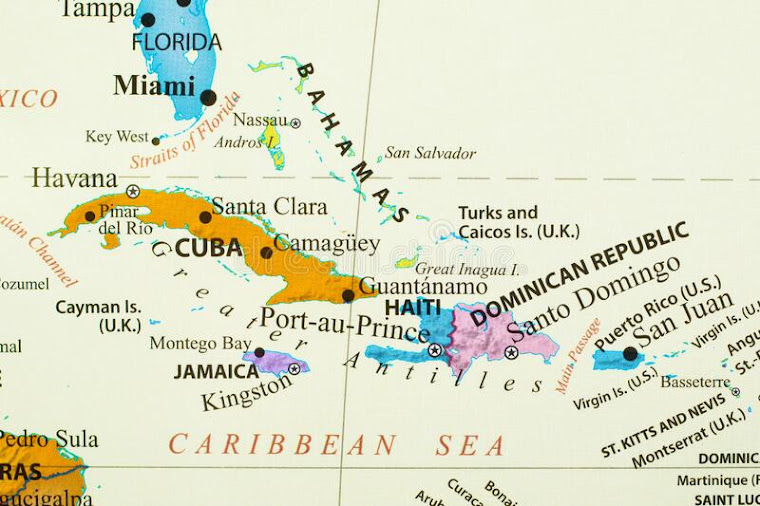
A political blog about Bahamian politics in The Bahamas, Bahamian Politicans - and the entire Bahamas political lot. Bahamian Blogger Dennis Dames keeps you updated on the political news and views throughout the islands of The Bahamas without fear or favor. Bahamian Politicians and the Bahamian Political Arena: Updates one Post at a time on Bahamas Politics and Bahamas Politicans; and their local, regional and international policies and perspectives.
Sunday, November 21, 2010
Saturday, November 20, 2010
Prime Minister Hubert Ingraham insists that the Government of The Bahamas will not concede a breach of contract that Kerzner International is alleging will be made - if the Baha Mar project is approved
PM: Govt will not concede breach of Kerzner contract
By CHESTER ROBARDS
Guardian Staff Reporter
chester@nasguard.com
The Government of The Bahamas will not concede a breach of contract that Kerzner International is alleging will be made if the Baha Mar project is approved, Prime Minister Hubert Ingraham insisted last night during his contribution to debate in the House of Assembly. The House unanimously passed the resolution to move forward with the Baha Mar project late last night.
Ingraham urged that Kerzner International, owners of the Atlantis Resort on Paradise Island, should outline why it thinks The Bahamas has breached the ‘Most Favored Nation’ (MFN) clause in its agreement with Kerzner, and put it to his government.
“On behalf of the government, I do not concede that we have breached our agreements with Kerzner,” said Ingraham.
“I await receipt of the particulars of Kerzner’s claim which we will review and determine.
“We always honor our deals. And the arrangement with Kerzner is no exception.”
Kerzner charged in a press release issued Wednesday that the government of The Bahamas has given the Baha Mar developers more favorable labor terms than they received during the development of Atlantis, which violates the MFN clause.
However, Ingraham insisted last night that Baha Mar has not been offered certain concession given Kerzner during their development phases.
He argued that The Bahamas over the years has been just as good to Kerzner as Kerzner has been to the Bahamian people and economy.
“The entry of Kerzner in The Bahamas has been good, indeed very good for The Bahamas,” said Ingraham.
“Kerzner has created as many as 2,000 more new and additional jobs to that required under the terms of the various agreements concluded with the government.
“Kerzner’s impact on training – whether of workers involved in the construction of its various resort properties, or for workers engaged in the operation and maintenance of Kerzner’s properties is clearly evident. The impact of Kerzner International – of Atlantis, the Ocean Club and the Cove, with their themed park, marina, etc, is also evident.
“Yes, Kerzner is good for The Bahamas. It is also true that The Bahamas has been good to Mr. Kerzner.
“It has not been a one way street. The relationship has been mutually beneficial.”
The prime minister also lamented the fact that it took more than six years for Kerzner to bring its concerns to the table, which he insisted cannot stop Baha Mar’s development now.
“I note that Kerzner International is late in expressing its concern with the Baha Mar project; having not voiced those concerns in 2005 when the dimensions of this project would have been very widely covered in the Bahamian press, nor in 2007 when my government made the details of the various agreements concluded with Baha Mar public in this place,” he said.
“I believe, Mr. Speaker, that the horse has left the barn. I am fully confident that this honorable House will signal its approval for this project to proceed.”
Ingraham also took his alloted time in Parliament to reaffirm Baha Mar and China State Construction’s (CSC) commitment to increasing the amount of subcontracted work for Bahamians from $200 to $400 million, and creating an $8 million training program for construction workers, $1 million of which is to be a cash injection at the approval of the project.
Baha Mar and its Chinese partners have also agreed to develop a permanent training and service academy that will prepare Bahamians for the resort properties’ opening and beyond, Ingraham said.
He tabled e-mails and a letter from CSC and Baha Mar bolstering their support for these services.
According to him, the net benefit of this deal for Bahamians and the Bahamian economy far outweigh the counter-arguments to such a large development.
Baha Mar released a statement last night, following the government’s passage of the resolution, thanking it for its support and ensuring that, following their receipt of the final government approvals, they will commence the project by awarding contracts immediately to Bahamian contractors.
The development’s Chairman and CEO Sarkis Izmirlian said his company is dedicated to the project and the economic benefits it promises to The Bahamas.
“The Baha Mar team is delighted with today’s unanimous vote by Parliament,” he said.
“We are dedicated to delivering to The Bahamas this world class destination resort and the immediate and long term economic benefits, both from its construction and operation.
“The government and the Bahamian people are placing their trust in us, not just to have Baha Mar succeed as a business enterprise, but as importantly for Baha Mar to be a productive and exemplary member of the Bahamian community.
“Succeeding for The Bahamas is the key to Baha Mar’s success. This is what Baha Mar is about, and this is the guiding principle with respect to how we will run our business.
“We look forward to the tremendous positive benefits that Baha Mar will bring to The Bahamas.”
11/19/2010
thenassauguardian
By CHESTER ROBARDS
Guardian Staff Reporter
chester@nasguard.com
The Government of The Bahamas will not concede a breach of contract that Kerzner International is alleging will be made if the Baha Mar project is approved, Prime Minister Hubert Ingraham insisted last night during his contribution to debate in the House of Assembly. The House unanimously passed the resolution to move forward with the Baha Mar project late last night.
Ingraham urged that Kerzner International, owners of the Atlantis Resort on Paradise Island, should outline why it thinks The Bahamas has breached the ‘Most Favored Nation’ (MFN) clause in its agreement with Kerzner, and put it to his government.
“On behalf of the government, I do not concede that we have breached our agreements with Kerzner,” said Ingraham.
“I await receipt of the particulars of Kerzner’s claim which we will review and determine.
“We always honor our deals. And the arrangement with Kerzner is no exception.”
Kerzner charged in a press release issued Wednesday that the government of The Bahamas has given the Baha Mar developers more favorable labor terms than they received during the development of Atlantis, which violates the MFN clause.
However, Ingraham insisted last night that Baha Mar has not been offered certain concession given Kerzner during their development phases.
He argued that The Bahamas over the years has been just as good to Kerzner as Kerzner has been to the Bahamian people and economy.
“The entry of Kerzner in The Bahamas has been good, indeed very good for The Bahamas,” said Ingraham.
“Kerzner has created as many as 2,000 more new and additional jobs to that required under the terms of the various agreements concluded with the government.
“Kerzner’s impact on training – whether of workers involved in the construction of its various resort properties, or for workers engaged in the operation and maintenance of Kerzner’s properties is clearly evident. The impact of Kerzner International – of Atlantis, the Ocean Club and the Cove, with their themed park, marina, etc, is also evident.
“Yes, Kerzner is good for The Bahamas. It is also true that The Bahamas has been good to Mr. Kerzner.
“It has not been a one way street. The relationship has been mutually beneficial.”
The prime minister also lamented the fact that it took more than six years for Kerzner to bring its concerns to the table, which he insisted cannot stop Baha Mar’s development now.
“I note that Kerzner International is late in expressing its concern with the Baha Mar project; having not voiced those concerns in 2005 when the dimensions of this project would have been very widely covered in the Bahamian press, nor in 2007 when my government made the details of the various agreements concluded with Baha Mar public in this place,” he said.
“I believe, Mr. Speaker, that the horse has left the barn. I am fully confident that this honorable House will signal its approval for this project to proceed.”
Ingraham also took his alloted time in Parliament to reaffirm Baha Mar and China State Construction’s (CSC) commitment to increasing the amount of subcontracted work for Bahamians from $200 to $400 million, and creating an $8 million training program for construction workers, $1 million of which is to be a cash injection at the approval of the project.
Baha Mar and its Chinese partners have also agreed to develop a permanent training and service academy that will prepare Bahamians for the resort properties’ opening and beyond, Ingraham said.
He tabled e-mails and a letter from CSC and Baha Mar bolstering their support for these services.
According to him, the net benefit of this deal for Bahamians and the Bahamian economy far outweigh the counter-arguments to such a large development.
Baha Mar released a statement last night, following the government’s passage of the resolution, thanking it for its support and ensuring that, following their receipt of the final government approvals, they will commence the project by awarding contracts immediately to Bahamian contractors.
The development’s Chairman and CEO Sarkis Izmirlian said his company is dedicated to the project and the economic benefits it promises to The Bahamas.
“The Baha Mar team is delighted with today’s unanimous vote by Parliament,” he said.
“We are dedicated to delivering to The Bahamas this world class destination resort and the immediate and long term economic benefits, both from its construction and operation.
“The government and the Bahamian people are placing their trust in us, not just to have Baha Mar succeed as a business enterprise, but as importantly for Baha Mar to be a productive and exemplary member of the Bahamian community.
“Succeeding for The Bahamas is the key to Baha Mar’s success. This is what Baha Mar is about, and this is the guiding principle with respect to how we will run our business.
“We look forward to the tremendous positive benefits that Baha Mar will bring to The Bahamas.”
11/19/2010
thenassauguardian

Perry Christie - Opposition Leader says: ... if the government considers itself a partner in the deal with Baha Mar, it should have dealt with the alleged breach with Kerzner outside of the House of Assembly
Christie: Issues with Kerzner should have been resolved first
By CHESTER ROBARDS
Guardian Staff Reporter
chester@nasguard.com
Leader of the Opposition Perry Christie admonished the government during his contribution to debate in the House of Assembly yesterday, for not moving to resolve their apparent breach of a ‘Most Favored Nation’ (MFN) clause with Kerzner International, before bringing the Baha Mar resolution to Parliament for a vote.
Christie said if the government considers itself a partner in the deal with Baha Mar, it should have dealt with the alleged breach with Kerzner outside of the House of Assembly.
According to him, when the government was made aware that Kerzner considered the allowance of 8,000 Chinese workers for the Baha Mar project a violation of MFN, the prime minister should have met with them to resolve the issue before yesterday.
“It looks like there is antagonism in the product, serious difficulties in the product, where the government is making a decision to breach an agreement,” said Christie.
“Because, if we are saying that we are going to approve it (Baha Mar) and he (Sol Kerzner) is saying we are in breach of it (MFN), Parliament should suspend itself, since we have been asked to come to this point to have a determination made as to whether or not we are in breach.”
According to him, the matter of a breach of contract is “a matter to do with partners” and “not to do with public relations of a government”.
He said he was taken aback when Member of Parliament for Marco City, Zhivargo Laing read the press statement in the House of Assembly that was issued by Kerzner International outlining what it considered to be a breach of MFN.
“I was shocked yesterday,” he said. “This (MFN breach) is essentially a major legal matter that has exercised the minds of lawyers here in the attorney general’s office and the Queens Counsel of England.”
Christie also used much of the beginning of his alloted time in the House to respond to the government’s accusations that his party was not an effective government when they were in power and with regard to the Baha Mar agreement.
He got extremely testy with his colleagues across the floor yesterday, reminding them to act like parliamentarians while addressing the House and each other, as Bahamians look to them as a good example.
“We are coming to a time in the country where we have to be careful that we do not begin applying in our country retribution and reaction,” he said.
“That is not good for this country and our leadership in this country must exercise the greatest care as we move forward, dealing with people's reputations.
“Recognize that as best we can, we will try to avoid the snaring remarks and try to focus on the issues at hand.”
11/19/2010
thenassauguardian
By CHESTER ROBARDS
Guardian Staff Reporter
chester@nasguard.com
Leader of the Opposition Perry Christie admonished the government during his contribution to debate in the House of Assembly yesterday, for not moving to resolve their apparent breach of a ‘Most Favored Nation’ (MFN) clause with Kerzner International, before bringing the Baha Mar resolution to Parliament for a vote.
Christie said if the government considers itself a partner in the deal with Baha Mar, it should have dealt with the alleged breach with Kerzner outside of the House of Assembly.
According to him, when the government was made aware that Kerzner considered the allowance of 8,000 Chinese workers for the Baha Mar project a violation of MFN, the prime minister should have met with them to resolve the issue before yesterday.
“It looks like there is antagonism in the product, serious difficulties in the product, where the government is making a decision to breach an agreement,” said Christie.
“Because, if we are saying that we are going to approve it (Baha Mar) and he (Sol Kerzner) is saying we are in breach of it (MFN), Parliament should suspend itself, since we have been asked to come to this point to have a determination made as to whether or not we are in breach.”
According to him, the matter of a breach of contract is “a matter to do with partners” and “not to do with public relations of a government”.
He said he was taken aback when Member of Parliament for Marco City, Zhivargo Laing read the press statement in the House of Assembly that was issued by Kerzner International outlining what it considered to be a breach of MFN.
“I was shocked yesterday,” he said. “This (MFN breach) is essentially a major legal matter that has exercised the minds of lawyers here in the attorney general’s office and the Queens Counsel of England.”
Christie also used much of the beginning of his alloted time in the House to respond to the government’s accusations that his party was not an effective government when they were in power and with regard to the Baha Mar agreement.
He got extremely testy with his colleagues across the floor yesterday, reminding them to act like parliamentarians while addressing the House and each other, as Bahamians look to them as a good example.
“We are coming to a time in the country where we have to be careful that we do not begin applying in our country retribution and reaction,” he said.
“That is not good for this country and our leadership in this country must exercise the greatest care as we move forward, dealing with people's reputations.
“Recognize that as best we can, we will try to avoid the snaring remarks and try to focus on the issues at hand.”
11/19/2010
thenassauguardian
Friday, November 19, 2010
Baha Mar; No Need for Acrimony
The Bahama Journal Editorial
That we live in a time and in a place where some who lead can be petty; can be vindictive and where there is more bile spewing than even the law should allow is today self-evident.
And for sure, that we also live in a time when Bahamians should come together in order to pull themselves up from under is also as clear as day. But as clear happens to be the fact that, there are still so very many Bahamians who – for whatever reason – relish in the politics of personal destruction.
As a direct result of this penchant to see politics as some kind of infernal blood-sport, there are those in parliament who routinely hurl invective and slander-tainted innuendoes at others; all in aid of supposedly winning in a debate.
Much of this is rooted in the fact that some of these people are simply ignorant of the fact that this is just not the way it should be in Parliament.
Here we take some little comfort in the fact that, where ignorance is bliss; ‘tis folly to be wise.
Notwithstanding our current chagrin, there is –yet- some comfort to be found in some of what is about to happen in the House of Assembly.
Here, the good news we have today concerns what seems a dawning consensus to the effect that, the Baha Mar Project should proceed.
We suspect that it will proceed precisely because it seemingly has the potential to help the Bahamas in this dread hour; when things are clearly set to pose any number of other challenges.
Evidently, the principals behind this Baha Mar project are to be given their kudos for having the fortitude to persist in a time and in a place where the going –as they say- was rough.
But yet again, in a world where all’s well that ends well, we are happy to report that, the Rt. Hon. Hubert A. Ingraham seems agreed that the Baha Mar project should and indeed, will proceed.
As this nation’s Chief notes: “...As a result of candid discussions with the Chinese Export Import Bank, the China State Construction Company, and following upon discussions between those companies and their partner, Baha Mar, I can advise that consensus has been reached on a number of significant issues related to the proposed Baha Mar Cable Beach Development...”
And as Mr. Ingraham went on to explain, “First, the construction value of works to be subcontracted to Bahamian contractors and subcontractors has been doubled from $200 million to $400 million. Bahamians will also work on elements of the Core Project... Second, China State Construction and Baha Mar have agreed to an extensive and comprehensive training and retraining programme...”
We also note that, “ Baha Mar has also agreed to establish a Training and Service Academy which will provide extensive training prior to the opening of the various hotels and other amenities. The Academy will be permanent, offering ongoing training opportunities for employees and prospective employees...”
This is surely some very good news for the Bahamian people, writ large. But even while all of this is well and good, we wonder why this eminently worthy project attracted so much venom and so much bile from so very many quarters.
Indeed, even as we send out praise-thanks for what has transpired concerning Baha Mar in the aftermath of the prime minister’s Asian foray and in particular, his visit to Beijing, we remain discomfited by some of what now emanates from Parliament as this matter is debated and digested by the nation’s law-makers.
Indeed, like lots of other Bahamians who routinely tune into some of what passes for debate in parliament; we are not impressed. Like others who believe that the people’s business should be handled with the highest degree of decorum and civility; we are just not impressed with speakers who believe that the essence of debate is to be found in making personal attacks.
And for sure, like lots of other Bahamians who seriously believe that there are times in life when the governing party and its parliamentary opposite should work together – united in service and love – for the achievement of the common good.
We make these few comments as prologue and preface to a more nuanced comment on the current debate concerning the Baha Mar project; with such a commentary coming in when the dust has settled, so to speak.
At that juncture, Baha Mar would be consigned to the category: Done Deal. And yet again, we insist that this project is a good one for the Bahamas, for Baha Mar’s investors and for the governing Free National Movement and Her Majesty’s Loyal Opposition, the Progressive Liberal Party.
November 19th, 2010
The Bahama Journal Editorial
That we live in a time and in a place where some who lead can be petty; can be vindictive and where there is more bile spewing than even the law should allow is today self-evident.
And for sure, that we also live in a time when Bahamians should come together in order to pull themselves up from under is also as clear as day. But as clear happens to be the fact that, there are still so very many Bahamians who – for whatever reason – relish in the politics of personal destruction.
As a direct result of this penchant to see politics as some kind of infernal blood-sport, there are those in parliament who routinely hurl invective and slander-tainted innuendoes at others; all in aid of supposedly winning in a debate.
Much of this is rooted in the fact that some of these people are simply ignorant of the fact that this is just not the way it should be in Parliament.
Here we take some little comfort in the fact that, where ignorance is bliss; ‘tis folly to be wise.
Notwithstanding our current chagrin, there is –yet- some comfort to be found in some of what is about to happen in the House of Assembly.
Here, the good news we have today concerns what seems a dawning consensus to the effect that, the Baha Mar Project should proceed.
We suspect that it will proceed precisely because it seemingly has the potential to help the Bahamas in this dread hour; when things are clearly set to pose any number of other challenges.
Evidently, the principals behind this Baha Mar project are to be given their kudos for having the fortitude to persist in a time and in a place where the going –as they say- was rough.
But yet again, in a world where all’s well that ends well, we are happy to report that, the Rt. Hon. Hubert A. Ingraham seems agreed that the Baha Mar project should and indeed, will proceed.
As this nation’s Chief notes: “...As a result of candid discussions with the Chinese Export Import Bank, the China State Construction Company, and following upon discussions between those companies and their partner, Baha Mar, I can advise that consensus has been reached on a number of significant issues related to the proposed Baha Mar Cable Beach Development...”
And as Mr. Ingraham went on to explain, “First, the construction value of works to be subcontracted to Bahamian contractors and subcontractors has been doubled from $200 million to $400 million. Bahamians will also work on elements of the Core Project... Second, China State Construction and Baha Mar have agreed to an extensive and comprehensive training and retraining programme...”
We also note that, “ Baha Mar has also agreed to establish a Training and Service Academy which will provide extensive training prior to the opening of the various hotels and other amenities. The Academy will be permanent, offering ongoing training opportunities for employees and prospective employees...”
This is surely some very good news for the Bahamian people, writ large. But even while all of this is well and good, we wonder why this eminently worthy project attracted so much venom and so much bile from so very many quarters.
Indeed, even as we send out praise-thanks for what has transpired concerning Baha Mar in the aftermath of the prime minister’s Asian foray and in particular, his visit to Beijing, we remain discomfited by some of what now emanates from Parliament as this matter is debated and digested by the nation’s law-makers.
Indeed, like lots of other Bahamians who routinely tune into some of what passes for debate in parliament; we are not impressed. Like others who believe that the people’s business should be handled with the highest degree of decorum and civility; we are just not impressed with speakers who believe that the essence of debate is to be found in making personal attacks.
And for sure, like lots of other Bahamians who seriously believe that there are times in life when the governing party and its parliamentary opposite should work together – united in service and love – for the achievement of the common good.
We make these few comments as prologue and preface to a more nuanced comment on the current debate concerning the Baha Mar project; with such a commentary coming in when the dust has settled, so to speak.
At that juncture, Baha Mar would be consigned to the category: Done Deal. And yet again, we insist that this project is a good one for the Bahamas, for Baha Mar’s investors and for the governing Free National Movement and Her Majesty’s Loyal Opposition, the Progressive Liberal Party.
November 19th, 2010
The Bahama Journal Editorial
Sir Sol Kerzner says: The proposed deal between the Government of The Bahamas and Baha Mar violates previous agreements between the government and Kerzner International
Sol Kerzner hits out on Baha Mar
By BRENT DEAN
The Nassau Guardian
Deputy News Editor
brentldean@nasguard.com
Says Baha Mar deal violates agreements made with his company
The proposed deal between the Government of The Bahamas and Baha Mar violates previous agreements between the government and Kerzner International, charged Sir Sol Kerzner yesterday.
“Baha Mar proposes employing thousands of foreign Chinese workers, which would represent far more than 30 percent of the total labor force.
Approval of this arrangement by government would be a clear breach of an investment agreement with a developer that has become its largest private employer, and an investor who took a risk on The Bahamas when its economy was struggling far more than it is today,” said Sir Sol Kerzner, chairman and chief executive officer of Kerzner International in a statement.
The House of Assembly is scheduled to conclude debate on the Baha Mar resolution today. The company is seeking 8,150 work permits for Chinese workers to help construct the $2.6 billion resort. The government is seeking the blessing of the House as it grants the work permits. The opposition has said it supports the deal.
In previous heads of agreements between Kerzner and the government, it pledged to grant Kerzner most favored nation status, meaning no investor would be granted concessions greater than Kerzner.
However, in a rare public statement, Kerzner, who is the largest private sector employer in the country, said Baha Mar is being granted much more than his company received.
“When we made our largest single investment of approximately $1 billion for Phase III, we did so based on a heads of agreement signed with the PLP government in 2003. Among the many requirements that government imposed on Kerzner under this and prior agreements was a strict rule that at least 70 percent of the total construction labor force would be Bahamian,” said Kerzner.
“As was the case with the two previous agreements with government, our 2003 agreement included a most favored nation provision that assured Kerzner that our investments would be protected from subsequent investors receiving more favorable terms. These agreements represented a solemn promise by The Bahamas to us that any subsequent investor would only compete against us on a level playing field.”
Prime Minister Hubert Ingraham said on Sunday that the Baha Mar deal would be approved by the end of the month. It is unclear if Kerzner’s intervention will have any effect on that pronouncement.
Yesterday Baha Mar was not pleased with Kerzner’s public intervention.
“We are not going to comment on Mr. Kerzner’s public relations statement. The Baha Mar project has been well vetted with the public, the government and its investors. We are happy the Baha Mar resolution is being debated in Parliament today,” said the company in response to Kerzner.
Kerzner International said it intends to discuss with the government how to address its concerns. As a result of the deal, Baha Mar is to receive on the labor and land components of the proposed deal, Kerzner can argue it is entitled to the same.
The government is transfering 265 acres of public land at Cable Beach to Baha Mar as a part of the deal.
Kerzner International emphasized that the heads of agreement for each of the three phases of development on Paradise Island required that at least 70 percent of the total construction labor force had to be Bahamian.
Bahamian labor is more expensive than labor from countries such as China and Mexico.
The company and its chairman argued that the deal Baha Mar is to receive “would represent a material breach” of its agreement with the government.
“When Kerzner first invested in The Bahamas by acquiring what is now the Coral and Beach Towers out of bankruptcy in May 1994, we made our investment on the basis of agreements with the government that gave us contractual assurances regarding our investment. Although we were confident in our abilities to re-establish the Bahamian tourism industry at that time, we did so in the face of truly dire economic conditions,” said Kerzner in his remarks.
“Accordingly, we insisted upon most favored nation treatment, which would ensure that no subsequent investor would be given advantages that we never enjoyed. Since our first investment, we have always found government – irrespective of the party in office – to be a faithful partner who has justified our initial and subsequent confidence in The Bahamas as an investor. We have invested more than $2.3 billion over the course of our build-out of the three phases of Atlantis, increasing our room count from approximately 1,100 in 1994 to over 4,000 today.
“We have grown the Bahamian workforce from approximately 1,200 employees when we commenced operations in 1994 to nearly 8,000 full-time employees today, not to mention the indirect employment that our investment has generated in the community. Furthermore, we have spent millions on training programs to develop and improve the skills and professionalism of our work force, which has allowed Atlantis to be rated among the top resorts in the world.”
Both the governing Free National Movement and opposition Progressive Liberal Party support the Baha Mar deal.
11/18/2010
thenassauguardian
By BRENT DEAN
The Nassau Guardian
Deputy News Editor
brentldean@nasguard.com
Says Baha Mar deal violates agreements made with his company
The proposed deal between the Government of The Bahamas and Baha Mar violates previous agreements between the government and Kerzner International, charged Sir Sol Kerzner yesterday.
“Baha Mar proposes employing thousands of foreign Chinese workers, which would represent far more than 30 percent of the total labor force.
Approval of this arrangement by government would be a clear breach of an investment agreement with a developer that has become its largest private employer, and an investor who took a risk on The Bahamas when its economy was struggling far more than it is today,” said Sir Sol Kerzner, chairman and chief executive officer of Kerzner International in a statement.
The House of Assembly is scheduled to conclude debate on the Baha Mar resolution today. The company is seeking 8,150 work permits for Chinese workers to help construct the $2.6 billion resort. The government is seeking the blessing of the House as it grants the work permits. The opposition has said it supports the deal.
In previous heads of agreements between Kerzner and the government, it pledged to grant Kerzner most favored nation status, meaning no investor would be granted concessions greater than Kerzner.
However, in a rare public statement, Kerzner, who is the largest private sector employer in the country, said Baha Mar is being granted much more than his company received.
“When we made our largest single investment of approximately $1 billion for Phase III, we did so based on a heads of agreement signed with the PLP government in 2003. Among the many requirements that government imposed on Kerzner under this and prior agreements was a strict rule that at least 70 percent of the total construction labor force would be Bahamian,” said Kerzner.
“As was the case with the two previous agreements with government, our 2003 agreement included a most favored nation provision that assured Kerzner that our investments would be protected from subsequent investors receiving more favorable terms. These agreements represented a solemn promise by The Bahamas to us that any subsequent investor would only compete against us on a level playing field.”
Prime Minister Hubert Ingraham said on Sunday that the Baha Mar deal would be approved by the end of the month. It is unclear if Kerzner’s intervention will have any effect on that pronouncement.
Yesterday Baha Mar was not pleased with Kerzner’s public intervention.
“We are not going to comment on Mr. Kerzner’s public relations statement. The Baha Mar project has been well vetted with the public, the government and its investors. We are happy the Baha Mar resolution is being debated in Parliament today,” said the company in response to Kerzner.
Kerzner International said it intends to discuss with the government how to address its concerns. As a result of the deal, Baha Mar is to receive on the labor and land components of the proposed deal, Kerzner can argue it is entitled to the same.
The government is transfering 265 acres of public land at Cable Beach to Baha Mar as a part of the deal.
Kerzner International emphasized that the heads of agreement for each of the three phases of development on Paradise Island required that at least 70 percent of the total construction labor force had to be Bahamian.
Bahamian labor is more expensive than labor from countries such as China and Mexico.
The company and its chairman argued that the deal Baha Mar is to receive “would represent a material breach” of its agreement with the government.
“When Kerzner first invested in The Bahamas by acquiring what is now the Coral and Beach Towers out of bankruptcy in May 1994, we made our investment on the basis of agreements with the government that gave us contractual assurances regarding our investment. Although we were confident in our abilities to re-establish the Bahamian tourism industry at that time, we did so in the face of truly dire economic conditions,” said Kerzner in his remarks.
“Accordingly, we insisted upon most favored nation treatment, which would ensure that no subsequent investor would be given advantages that we never enjoyed. Since our first investment, we have always found government – irrespective of the party in office – to be a faithful partner who has justified our initial and subsequent confidence in The Bahamas as an investor. We have invested more than $2.3 billion over the course of our build-out of the three phases of Atlantis, increasing our room count from approximately 1,100 in 1994 to over 4,000 today.
“We have grown the Bahamian workforce from approximately 1,200 employees when we commenced operations in 1994 to nearly 8,000 full-time employees today, not to mention the indirect employment that our investment has generated in the community. Furthermore, we have spent millions on training programs to develop and improve the skills and professionalism of our work force, which has allowed Atlantis to be rated among the top resorts in the world.”
Both the governing Free National Movement and opposition Progressive Liberal Party support the Baha Mar deal.
11/18/2010
thenassauguardian
Wednesday, November 17, 2010
...we are much exercised by what is not happening for the masses as the classes go from strength to strength

Beyond Pious Bleating
The Bahama Journal
As one crime-ridden day flows into another, some thoughtful Bahamians have begun a conversation among themselves concerning some of their more extreme conclusions about what is actually happening in our beloved land.
What we are hearing from some of these sources is that, crime –as it is currently being expressed might well have within it a kernel that suggests the early rise of a virulent form of class-driven warfare, assault and insult to person and property in today’s parlous economic times.
Here we are certain that while these conversations are going on, there are Bahamians who would out of hand deny any such class-based set of developments; here we do suspect that they do so to their peril and to that of the wider Bahamian society.
Our thoughts are turned in this direction as we reflect on some of the words and thoughts of the Rt. Hon. Hubert Ingraham. The Prime Minister suggests that, "In a 21st Century Bahamas, if we are to become all that we might be we must aspire to transcend historic prejudices and break loose from the stereotypical bounds of the politics of race and class division that belongs to a bygone era."
He went on to suggest "That is behind us and we must leave it so that we can achieve full unity in our land with government dedicated to serving all Bahamians, black and white, middle class, rich and poor, young and old, able and disabled."
No right-thinking Bahamian would dare quibble with anything the prime minister says concerning this aspiration for the coming of that day when discrimination is no more in The Bahamas.
That will be a great day not only for The Bahamas, but for human beings everywhere. That is because were we to achieve such a feat, our example could provide a template for people all over the world.
The truth of the matter is that race does matter in The Bahamas. Class does matter in The Bahamas. Ethnicity does matter in The Bahamas. Gender and sexual orientation do matter in The Bahamas and so does disability. And for sure, so does poverty and wealth living cheek to jowl in the same society.
It matters little what people say about their aspiration to create this or that kind of Bahamas. What matters is what they do about it.
Experience elsewhere would seem to suggest that before a problem can be resolved, it must first be recognized as a problem; that being a necessary prerequisite to action, if we - as a people – wanted to be honest about any of these issues that do matter, we would do something about it.
Take for example, the manner in which we deal with people who are so-called ‘disabled’. We further hobble them when we decide that no changes need be made to processes like voter registration that would allow these people their rights to privacy in the sanctity of the booth.
Whoever never thought that in this day and age that voter registration and voting should not be made user-friendly for people, who are blind, crippled or otherwise challenged?
Or for that matter, whoever decreed that Bahamians born of Haitian parents should be forever stigmatized because of the fact that they are Haitians? What ignorance! What rot! What utter nonsense!
Closer to home from a racial point of view, how is it that so-called White people around the world have already acknowledged that slavery was a crime against humanity, while so few in The Bahamas even want to broach the issue.
Here we take little or no note of some of that literary stuff by this or that ‘artiste’ out to make a name by chatting about the issues at hand.
This and other such issues should be encouraged among so very many so-called ordinary people.
Like the late, great and seriously under-estimated Milo Boughton Butler, we are much exercised by what is not happening for the masses as the classes go from strength to strength.
That is why we counsel and caution each and every social observer who would dare think that they could understand a modern Bahamas without taking into consideration the raw reality that class does matter; that race does matter; and that gender and disability are also realities that matter.
The truth is that none of this understanding comes easily. And for sure, this is clearly the urgency in the current moment when things are so very bad for all Bahamians.
And so, we would suggest that, in the ultimate analysis, then, real bridges have to be built between where we are, who we truly are and what we are prepared to do with and on behalf of whom.
Otherwise, brave words about what we wish amount to little more than windy rhetoric and a most pious bleating about social justice.
November 18th, 2010
The Bahama Journal
...half of all deaths in The Bahamas are attributed to diseases that are caused by poor lifestyle choices
Historical Perspective on Bahamian Healthcare
by Larry Smith
bahamapundit

Experts say that to address the skyrocketing costs of modern medicine, we have to rely more on preventive and primary care rather than costly hospital treatment.
According to Health Minister Dr Hubert Minnis, about two thirds of public spending on healthcare goes to treat diseases that are caused by poor lifestyle choices. And half of all deaths in the Bahamas are attributed to these same illnesses.
For example, there are tens of thousands of diabetics in the Bahamas, and complications from the disease include kidney failure, heart disease and blindness. It costs taxpayers $60,000 a year to treat each of the more than 200 people with kidney failure who are currently undergoing dialysis at the Princess Margaret Hospital.
Bahamians spend about half a billion dollars on public and private healthcare today (some 7 per cent of GDP). This represents an incredible transformation from the early years of the 20th century, and it is interesting to take a historical view of this subject.
Back then, there were only three doctors outside of Nassau - at Inagua, Harbour Island and Green Turtle Cay - to serve 42,000 people living in the widely scattered out islands. According to Dr Harold Munnings in his 2005 history of the Princess Margaret Hospital, out islanders "obtained what care they could from untrained midwives, clergymen and herbalists".
The PMH began life as a poorhouse in 1809 and entered the 20th century as a place of last resort for those in need of medical care. According to a 1905 account It had four sections - for the sick, indigent, lepers and insane. Treatment was free, but patients were referred to as "inmates", and those who could afford it arranged for medical care at home - quite the opposite to current practice.
In 1925 several American visitors contracted typhoid fever in Nassau - a killer disease transmitted by dirty food and water, so the British authorities dispatched a senior public health expert to investigate.
He deplored the filth of heavily populated communities not included in the city's new water-works and sewerage system, then under construction. He also noted the prevalence of tuberculosis, venereal disease, gastroenteritis and tetanus, and strongly criticised public indifference to Nassau's dreadful sanitary and housing conditions.
Unfortunately, these conditions did not begin to change until the middle of the century, when a British official was still able to write that "Behind Nassau's picturesque old-world streets and the princely mansions along the East and West shores are slums as bad as any West Indian Colony, and far worse than anything Bermuda can show."
In 1953, two thirds of the homes on New Providence still had no running water. And preventable diseases were due mostly to overcrowding, ignorance, poor nutrition, and lack of public hygiene.
An unpublished medical memoir written by Dr Malcolm Hale about a year before his death in 2003 at the age of 77 offers a useful perspective on this period of modern history. Hale arrived in Nassau in 1954 on a three-year contract as a medical officer for the new Bahamas General Hospital (which was renamed after a visit by Princess Margaret in 1955), and stayed on in private practice.
"I arrived by boat from England on December 16," he recalled. "We anchored outside the bar and a tender came out to carry us in. On it was a reporter from the Guardian to interview the new doctor, and a photographer to take his picture...the effort hinted at the state of medical needs of the community."
He identified the new Emerald Beach Hotel on Cable Beach, the redeveloped Bahamas General Hospital and the first City Market food store as emblems of changing times for Bahamians. They represented a dramatic break with the economy of the past, he said, and were a sign that prosperity was beginning to trickle into the general population.
Shortly after his arrival Dr Hale was put in charge of the TB and geriatric wards at the Prospect Hospital, as well as the Lazaretto off Carmichael Road, which was no more than a narrow dirt track. This was in addition to his out-patient and casualty duties, as well as occasional out island clinics.
Prospect Hospital was a collection of wooden buildings on Prospect Ridge built for the American and British air forces who trained in the Bahamas during the Second World War. Like Windsor airfield it was handed over to the Bahamian government in 1945.
"The general health of the population was poor," Dr Hale recalled. "Tuberculosis was rife; new cases were discovered almost daily, many from out island settlements, some of which like Rolleville (Exuma) and Moores Island (Abaco), were heavily infected. Fortunately, my entry to the medical profession coincided with the discovery and availability of a whole range of effective medications...Now patients came to be cured, not to die."
He described the geriatric wards as pathological museums. "Especially impressive were cases of elephantiasis and the whole spectrum of tertiary syphilis. The leprosarium was a collection of small wooden cottages (with) about 20 patients when I took over, most in advanced stages of disfigurement, especially of hands and face.
"The few new cases I admitted were diagnosed in the early stages and so far as I know all were cured and returned undisfigured to society. The old cases stayed at the Lazaretto and died off over a period of several years. Most of the cases were white."
In the out-patient clinics, Dr Hale treated many malnourished children with intestines bloated with Ascaris worms. Vermicide was probably the most heavily prescribed drug at the time, and he credited it with making the greatest single contribution (except for penicillin) to the health of the community.
Dysentery was also common, as were sexually transmitted diseases like gonorrhea and syphilis. But the popular remedy for VD at the time, Dr Hale noted, was to have sex with female infants. "It took a major educational effort by the profession to disabuse the population of this idea, and I wonder today if we fully succeeded."
Although HIV-AIDS was unknown at the time, Hale suspected that "the occasional cases of multipathology which responded to no treatment, and which were unsolved diagnostic puzzles, and invariably fatal, may have been AIDS. Interestingly, as AIDS increased, the other STD’s declined and have become rare."
Epidemics of whooping cough were devastating, Hale said. "I remember Kenneth Eardley, an older private physician, telling me he had signed two or three hundred death certificates due to this illness in one outbreak just a few years previously. And how many times have I heard older women say 'I born 13 but I bring up three'?"
In the 1950s there was relatively little obesity and much less diabetes than now, Dr Hale reported. But one serious health condition has remained constant. High blood pressure was, and is, a common problem amongst Bahamians of all ages, together with its deadly complications of stroke and heart disease.
in fact, while he was a resident at the PMH, Dr Hale and others contributed data to a US hypertension study. In their 1958 report, the American researchers noted that:
"Almost everyone on the Islands has a relative that has 'the high blood,' died of hypertension, or has had a stroke...An analysis of the water supply in Nassau and several of the outer island groups revealed that the well water was significantly high in sodium content."
The study reported salt levels of less than a milligram per millilitre in the drinking water of major US cities, whereas drinking water at the PMH contained 129 milligrams and on Eleuthera 210 milligrams. This meant that Bahamians were ingesting up to 10 grams of salt per day from water alone. And that was in addition to the sodium found naturally in foods, or added in cooking. Nor did it account for the fact that salt pork was a common ingredient in most dishes at the time.
Currently, the American Heart Association recommends an intake of less than 2.5 grams of salt per day for the general population - that's about a teaspoon - and even less for high-risk individuals. I can testify from personal experience that this guideline is as difficult to achieve in today's fast food-dominated diet as it was back in the 1950s when we all drank salt water.
Hale was one of a growing band of doctors who participated in the vast expansion of medical skills and services in the Bahamas over the past half century. His assessment of how things had changed over that time?
"Today the general health of the population is excellent," he wrote in 2002. "except for self-inflicted conditions, principally obesity (and its complications), HIV-AIDS, and gunshot wounds."
In fact, the current level of violent crime is straining our healthcare system. There were 51 cases of knife and gun attacks treated by the PMH in October alone, and ER doctors treated more than 160 other assault cases, as well as 94 traffic accident victims last month.
Apart from these walking wounded, most of the patients who crowd the PMH emergency room don't need to be there - they just don't know any better. Preventive medicine and affordable drugs are important, but public education to improve compliance or avoid problems in the first place is just as critical.
There is a growing awareness in government that we will never have enough money to solve our healthcare challenges using costly tertiary care approaches. Cancer, AIDS, diabetes, hypertension and stroke, heart attack and kidney failure top the list of modern medical problems in the Bahama - and they all are preventable with education, diet and drugs.
For the time being plans have been shelved for a new $600 million public hospital, which surveyors were staking out only months ago on acres of prime forested land at Prospect Ridge. The enormous investment that would be required to build a new hospital has led successive governments to content themselves with redeveloping the PMH at its present site.
"I would love to work in a new, state-of-the-art hospital," Dr Munnings told me recently, "but a properly funded programme to prevent chronic disease has to be the priority."
November 17, 2010
bahamapundit
by Larry Smith
bahamapundit

Experts say that to address the skyrocketing costs of modern medicine, we have to rely more on preventive and primary care rather than costly hospital treatment.
According to Health Minister Dr Hubert Minnis, about two thirds of public spending on healthcare goes to treat diseases that are caused by poor lifestyle choices. And half of all deaths in the Bahamas are attributed to these same illnesses.
For example, there are tens of thousands of diabetics in the Bahamas, and complications from the disease include kidney failure, heart disease and blindness. It costs taxpayers $60,000 a year to treat each of the more than 200 people with kidney failure who are currently undergoing dialysis at the Princess Margaret Hospital.
Bahamians spend about half a billion dollars on public and private healthcare today (some 7 per cent of GDP). This represents an incredible transformation from the early years of the 20th century, and it is interesting to take a historical view of this subject.
Back then, there were only three doctors outside of Nassau - at Inagua, Harbour Island and Green Turtle Cay - to serve 42,000 people living in the widely scattered out islands. According to Dr Harold Munnings in his 2005 history of the Princess Margaret Hospital, out islanders "obtained what care they could from untrained midwives, clergymen and herbalists".
The PMH began life as a poorhouse in 1809 and entered the 20th century as a place of last resort for those in need of medical care. According to a 1905 account It had four sections - for the sick, indigent, lepers and insane. Treatment was free, but patients were referred to as "inmates", and those who could afford it arranged for medical care at home - quite the opposite to current practice.
In 1925 several American visitors contracted typhoid fever in Nassau - a killer disease transmitted by dirty food and water, so the British authorities dispatched a senior public health expert to investigate.
He deplored the filth of heavily populated communities not included in the city's new water-works and sewerage system, then under construction. He also noted the prevalence of tuberculosis, venereal disease, gastroenteritis and tetanus, and strongly criticised public indifference to Nassau's dreadful sanitary and housing conditions.
Unfortunately, these conditions did not begin to change until the middle of the century, when a British official was still able to write that "Behind Nassau's picturesque old-world streets and the princely mansions along the East and West shores are slums as bad as any West Indian Colony, and far worse than anything Bermuda can show."
In 1953, two thirds of the homes on New Providence still had no running water. And preventable diseases were due mostly to overcrowding, ignorance, poor nutrition, and lack of public hygiene.
An unpublished medical memoir written by Dr Malcolm Hale about a year before his death in 2003 at the age of 77 offers a useful perspective on this period of modern history. Hale arrived in Nassau in 1954 on a three-year contract as a medical officer for the new Bahamas General Hospital (which was renamed after a visit by Princess Margaret in 1955), and stayed on in private practice.
"I arrived by boat from England on December 16," he recalled. "We anchored outside the bar and a tender came out to carry us in. On it was a reporter from the Guardian to interview the new doctor, and a photographer to take his picture...the effort hinted at the state of medical needs of the community."
He identified the new Emerald Beach Hotel on Cable Beach, the redeveloped Bahamas General Hospital and the first City Market food store as emblems of changing times for Bahamians. They represented a dramatic break with the economy of the past, he said, and were a sign that prosperity was beginning to trickle into the general population.
Shortly after his arrival Dr Hale was put in charge of the TB and geriatric wards at the Prospect Hospital, as well as the Lazaretto off Carmichael Road, which was no more than a narrow dirt track. This was in addition to his out-patient and casualty duties, as well as occasional out island clinics.
Prospect Hospital was a collection of wooden buildings on Prospect Ridge built for the American and British air forces who trained in the Bahamas during the Second World War. Like Windsor airfield it was handed over to the Bahamian government in 1945.
"The general health of the population was poor," Dr Hale recalled. "Tuberculosis was rife; new cases were discovered almost daily, many from out island settlements, some of which like Rolleville (Exuma) and Moores Island (Abaco), were heavily infected. Fortunately, my entry to the medical profession coincided with the discovery and availability of a whole range of effective medications...Now patients came to be cured, not to die."
He described the geriatric wards as pathological museums. "Especially impressive were cases of elephantiasis and the whole spectrum of tertiary syphilis. The leprosarium was a collection of small wooden cottages (with) about 20 patients when I took over, most in advanced stages of disfigurement, especially of hands and face.
"The few new cases I admitted were diagnosed in the early stages and so far as I know all were cured and returned undisfigured to society. The old cases stayed at the Lazaretto and died off over a period of several years. Most of the cases were white."
In the out-patient clinics, Dr Hale treated many malnourished children with intestines bloated with Ascaris worms. Vermicide was probably the most heavily prescribed drug at the time, and he credited it with making the greatest single contribution (except for penicillin) to the health of the community.
Dysentery was also common, as were sexually transmitted diseases like gonorrhea and syphilis. But the popular remedy for VD at the time, Dr Hale noted, was to have sex with female infants. "It took a major educational effort by the profession to disabuse the population of this idea, and I wonder today if we fully succeeded."
Although HIV-AIDS was unknown at the time, Hale suspected that "the occasional cases of multipathology which responded to no treatment, and which were unsolved diagnostic puzzles, and invariably fatal, may have been AIDS. Interestingly, as AIDS increased, the other STD’s declined and have become rare."
Epidemics of whooping cough were devastating, Hale said. "I remember Kenneth Eardley, an older private physician, telling me he had signed two or three hundred death certificates due to this illness in one outbreak just a few years previously. And how many times have I heard older women say 'I born 13 but I bring up three'?"
In the 1950s there was relatively little obesity and much less diabetes than now, Dr Hale reported. But one serious health condition has remained constant. High blood pressure was, and is, a common problem amongst Bahamians of all ages, together with its deadly complications of stroke and heart disease.
in fact, while he was a resident at the PMH, Dr Hale and others contributed data to a US hypertension study. In their 1958 report, the American researchers noted that:
"Almost everyone on the Islands has a relative that has 'the high blood,' died of hypertension, or has had a stroke...An analysis of the water supply in Nassau and several of the outer island groups revealed that the well water was significantly high in sodium content."
The study reported salt levels of less than a milligram per millilitre in the drinking water of major US cities, whereas drinking water at the PMH contained 129 milligrams and on Eleuthera 210 milligrams. This meant that Bahamians were ingesting up to 10 grams of salt per day from water alone. And that was in addition to the sodium found naturally in foods, or added in cooking. Nor did it account for the fact that salt pork was a common ingredient in most dishes at the time.
Currently, the American Heart Association recommends an intake of less than 2.5 grams of salt per day for the general population - that's about a teaspoon - and even less for high-risk individuals. I can testify from personal experience that this guideline is as difficult to achieve in today's fast food-dominated diet as it was back in the 1950s when we all drank salt water.
Hale was one of a growing band of doctors who participated in the vast expansion of medical skills and services in the Bahamas over the past half century. His assessment of how things had changed over that time?
"Today the general health of the population is excellent," he wrote in 2002. "except for self-inflicted conditions, principally obesity (and its complications), HIV-AIDS, and gunshot wounds."
In fact, the current level of violent crime is straining our healthcare system. There were 51 cases of knife and gun attacks treated by the PMH in October alone, and ER doctors treated more than 160 other assault cases, as well as 94 traffic accident victims last month.
Apart from these walking wounded, most of the patients who crowd the PMH emergency room don't need to be there - they just don't know any better. Preventive medicine and affordable drugs are important, but public education to improve compliance or avoid problems in the first place is just as critical.
There is a growing awareness in government that we will never have enough money to solve our healthcare challenges using costly tertiary care approaches. Cancer, AIDS, diabetes, hypertension and stroke, heart attack and kidney failure top the list of modern medical problems in the Bahama - and they all are preventable with education, diet and drugs.
For the time being plans have been shelved for a new $600 million public hospital, which surveyors were staking out only months ago on acres of prime forested land at Prospect Ridge. The enormous investment that would be required to build a new hospital has led successive governments to content themselves with redeveloping the PMH at its present site.
"I would love to work in a new, state-of-the-art hospital," Dr Munnings told me recently, "but a properly funded programme to prevent chronic disease has to be the priority."
November 17, 2010
bahamapundit
Subscribe to:
Comments (Atom)