Third party support
thenassauguardian editorial
Since the resignation of Bamboo Town MP Branville McCartney from the Free National Movement (FNM), the national airwaves have been dominated by talk of a third political party to challenge the FNM and Progressive Liberal Party (PLP).
The last major politician to try the third party route was former PLP deputy leader Dr. Bernard Nottage in 2002 when his Coalition for Democratic Reform (CDR) took on the two major parties. Dr. Nottage’s party failed and he lost his seat. CDR candidates were crushed as non-contenders at the polls.
At the time Bahamians were upset with the FNM, which was fractured and falling apart. They chose to go with a Perry Christie. He was a part of a major political force and he was also a new face to leadership. Christie ran as a “new PLP”, seeking to break with the somewhat tarnished legacy of the defeated old PLP.
At that 2002 election there was something new that was still a part of the mainstream for Bahamians to choose. Dr. Nottage could not compete with that.
Almost ten years later, a young, attractive and charismatic politician (McCartney) is trying the same thing with his Democratic National Alliance (DNA). He is not as politically accomplished as Dr. Nottage was at the time he led the CDR to defeat. However, McCartney may have an advantage.
At this general election, neither political party has anything new to offer at the leadership level. FNM leader Hubert Ingraham and PLP leader Perry Christie both entered the House of Assembly in 1977. Both men are known. Neither man can claim to be new. Neither man can suggest he can offer something he has not already offered during his long political career.
At this election it could be argued that a message could be presented, stating that Ingraham and Christie, and the FNM and the PLP, are the same thing and a new direction is needed for the country. In recent years there have been annual murder records; the down economy has persisted; and the Bahamian education system is doing poorly.
Though this environment exists, it is unclear if Bahamians will break with the PLP/FNM duopoly.
The key for any third party movement would be to determine if dissatisfaction with the parties could be harnessed into votes. If that dissatisfaction cannot be, starting a third party will only waste money.
Ultimately, Bahamians will have to decide if they will accept others at the national table of decision making or if they think only card carrying PLPs or FNMs should lead The Bahamas.
Third parties should understand what is at stake. If defeated badly at the general election, that third force will look like a joke never to be considered again.
McCartney is risking his political career.
Jun 11, 2011
thenassauguardian editorial
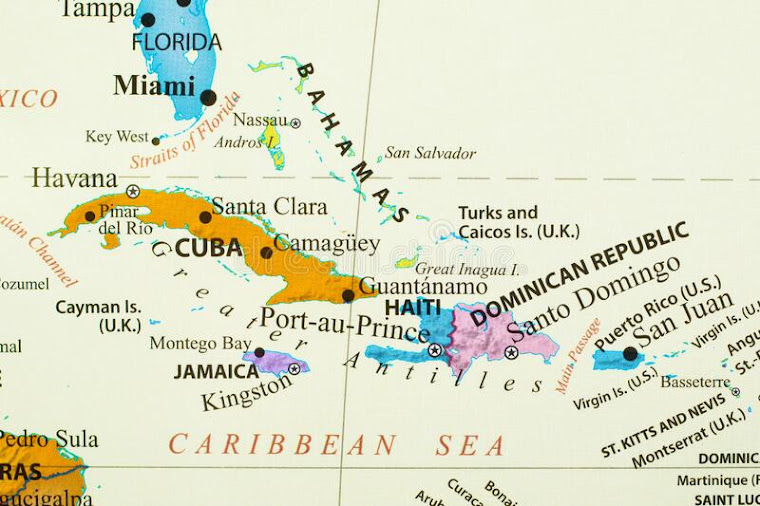
A political blog about Bahamian politics in The Bahamas, Bahamian Politicans - and the entire Bahamas political lot. Bahamian Blogger Dennis Dames keeps you updated on the political news and views throughout the islands of The Bahamas without fear or favor. Bahamian Politicians and the Bahamian Political Arena: Updates one Post at a time on Bahamas Politics and Bahamas Politicans; and their local, regional and international policies and perspectives.
Saturday, June 11, 2011
Philip 'Brave' Davis told Free National Movement supporters that Progressive Liberal Party Chief Perry Christie is not his leader and is "dicey" during a trip to Cat Island, claimed Prime Minister Hubert Ingraham
PM claims Philip Davis said Christie is not his leader
By TANEKA THOMPSON
Tribune Staff Reporter
tribune242
tthompson@tribunemedia.net
PHILIP 'Brave' Davis told Free National Movement supporters that Progressive Liberal Party Chief Perry Christie is not his leader and is "dicey" during a trip to Cat Island, Prime Minister Hubert Ingraham claimed.
Elizabeth MP Ryan Pinder, who accompanied Mr Davis on the trip, reportedly told the same supporters that his allegiance lies with the Cat Island and Rum Cay MP and not Mr Christie.
Mr Ingraham made these revelations as he gave his summary on the 2011/2012 budget yesterday.
"The member for Cat Island who is the deputy leader of his party and who expects to replace (Mr Christie) in a short period of time, I'm told that you told some of my men in Cat Island over the weekend that Christie is not your leader and ... that Christie is dicey.
"The member for Elizabeth, somebody asked him 'I thought you supported Christie'. He turned around and said 'Brave is my man'," Mr Ingraham continued, eliciting cheers and laughs from members on his side.
During his contribution, Mr Ingraham also criticised Mr Davis for heaping blame on government for the crime problem gripping the country.
The nation's chief said Mr Davis expects government to have found a "magic" solution to crime in its four years in office and has called for more resources to be allocated to police and the justice system.
"But never have those resources been more generous and more in evidence than on our watch," said the North Abaco MP.
Mr Ingraham told Parliament that violent crime is a symptom of seeds sown 30 to 40 years ago and is closely related to the underground activities and the drug trade.
The Government plans to release the names and background of murder victims to show that many being killed are not caught in random incidents but are linked to criminal activity, said Mr Ingraham.
Friday, June 10, 2011
tribune242
By TANEKA THOMPSON
Tribune Staff Reporter
tribune242
tthompson@tribunemedia.net
PHILIP 'Brave' Davis told Free National Movement supporters that Progressive Liberal Party Chief Perry Christie is not his leader and is "dicey" during a trip to Cat Island, Prime Minister Hubert Ingraham claimed.
Elizabeth MP Ryan Pinder, who accompanied Mr Davis on the trip, reportedly told the same supporters that his allegiance lies with the Cat Island and Rum Cay MP and not Mr Christie.
Mr Ingraham made these revelations as he gave his summary on the 2011/2012 budget yesterday.
"The member for Cat Island who is the deputy leader of his party and who expects to replace (Mr Christie) in a short period of time, I'm told that you told some of my men in Cat Island over the weekend that Christie is not your leader and ... that Christie is dicey.
"The member for Elizabeth, somebody asked him 'I thought you supported Christie'. He turned around and said 'Brave is my man'," Mr Ingraham continued, eliciting cheers and laughs from members on his side.
During his contribution, Mr Ingraham also criticised Mr Davis for heaping blame on government for the crime problem gripping the country.
The nation's chief said Mr Davis expects government to have found a "magic" solution to crime in its four years in office and has called for more resources to be allocated to police and the justice system.
"But never have those resources been more generous and more in evidence than on our watch," said the North Abaco MP.
Mr Ingraham told Parliament that violent crime is a symptom of seeds sown 30 to 40 years ago and is closely related to the underground activities and the drug trade.
The Government plans to release the names and background of murder victims to show that many being killed are not caught in random incidents but are linked to criminal activity, said Mr Ingraham.
Friday, June 10, 2011
tribune242

Friday, June 10, 2011
WikiLeaks - U.S. Embassy official in a 2004 diplomatic cable: Franklyn Wilson argued that the U.S. should support Perry Christie’s hope to become a regional leader since the Bahamian prime minister was America’s “Tony Blair” inside CARICOM

Cable: Wilson defended Christie to Americans
BY CANDIA DAMES
NG News Editor
thenassauguardian
candia@nasguard.com
Diplomatic cables reveal detailed discussions American diplomats had with prominent Bahamian businessman Franklyn Wilson who repeatedly defended the Pindling administration’s actions during the 1980s drug era, and also defended the Christie administration’s “record of inaction.”
“Mr. Wilson emotionally presented the case for Perry Christie, calling him the United States’ best friend inside CARICOM councils,” wrote a U.S. Embassy official in a 2004 cable.
The diplomat wrote that Wilson argued during a September 30, 2004 luncheon that the U.S. should support Christie’s hope to become a regional leader since the Bahamian prime minister was America’s “Tony Blair” inside CARICOM.
“Wilson again raised the prime minister’s belief that he was ignored and left exposed by the United States during events surrounding the resignation of Haitian ex-President Aristide and that he should have been consulted by senior [U.S. government] officials,” the diplomat wrote.
“Wilson claimed, however, that Christie bore no grudges at being left out of the loop by the United States and Canada.”
According to the cable, Wilson remained loyal to Christie, telling diplomats that Christie’s personality and manner made it possible for him to become friends with everyone, including President George W. Bush, thereby allowing him to exert a moderating and calming influence within CARICOM to counter the proclivities of that body’s more extreme members.
Wilson compared Christie to the late former prime minister Sir Lynden Pindling, saying Sir Lynden had quietly and effectively served as a moderating influence during the 1970s and thus served U.S. strategic interests, the cable said.
“What was true some 30 years ago, argued Wilson, was equally true today,” the embassy official said.
“The United States, continued Wilson, needed to ignore tactical deviations and remember that strategically Perry Christie was America’s best friend and supporter in the region.”
According to the cable, Wilson declared several times that the United States should support and enhance Christie’s stature within CARICOM in its own self-interest.
Wilson reportedly expressed the view that Christie believed that he had been in the forefront of the CARICOM effort to persuade the ex-Haitian president to peacefully resign his office.
“Given his leadership role in the effort, argued Wilson, the United States owed it to Christie to have received a call from senior [U.S. government] officials, or the White House, advising him ‘when the United States decided to change direction on Aristide’ and ‘remove him from power’.”
According to the cable, a U.S. Embassy official reminded Wilson that Christie had been briefed on the rapid spiral of breaking events leading up to Aristide demitting office and that CARICOM “was not an organization well-suited to handling crises.”
Noting that Prime Minister Christie was scheduled to speak at the approaching Miami Herald’s annual Americas Conference, the U.S. ambassador expressed the hope that Christie would take a positive position that reflected the deep, long-standing and overall positive relationship between the United States and the region, the cable said.
It noted that the theme of Christie’s remarks at the conference was ‘Friend or Foe? Can the Caribbean and the U.S. Repair Their Damaged Relations?’
The cable said Christie “feigned surprise” and dismay at the topic assigned to him when he had an opportunity to speak to a U.S. Embassy official before the trip.
The official expressed to Christie, according to the cable, the ambassador’s hope that he “would use his spotlight to focus on the overwhelmingly positive bilateral and mutually beneficial multilateral regional relationship and not engage in an unproductive negative analysis.”
SIR LYNDEN’S LEGACY
Referring again to Wilson, the embassy official noted that he has been closely identified with the PLP throughout his life and holds Sir Lynden “in a status close to sainthood.”
The official wrote that Wilson was a member of Christie’s “kitchen cabinet” and one of the PLP’s principal financiers and fundraisers.
“He is accustomed to serving as a transmission belt both to send, and to receive, messages intended for the prime minister,” the cable said.
The official wrote: “Wilson is very proud of his rise to meteoric wealth and, during the course of the meeting, repeatedly referred to his humble past, when, as the youngest of 11 children in a working class family, he had to sleep on the floor until his older sisters grew up and moved out of the house and a bed opened up for him.
“He is fanatically devoted to Pindling, who identified him, became his godfather, and opened the doors that allowed Wilson to be successful.”
In a 2003 cable, an embassy official described Wilson as a “bombastic speaker who frequently cuts others off in conversation.”
The official wrote that Wilson “spent much of the hour and half meeting offering a passionate defense of the record of Sir Lynden Pindling.”
“He insisted that allegations of narcotics corruption against Pindling were completely unfounded and claimed that the Commission of Inquiry bore him out on this point,” the cable said.
“He brushed aside questions about how Sir Lynden had amassed his obvious wealth during his years in office and the influence of notorious Colombian narcotics kingpin Carlos Lehder, and said that the stories about Pindling were the result of jealousy and ingratitude, a plot orchestrated by former U.S. Ambassador Carol Boyd Hallett and former Prime Minister Hubert Ingraham who ‘wouldn’t have been anything without Pindling’.”
Wilson told the Americans, according to the cable, “no one has cooperated more” with the U.S. on drug interdiction than Pindling and said the seizure statistics bear him out on this assertion.
The diplomat wrote: “He expressed great scorn toward Hubert Ingraham for betraying Pindling then setting out to destroy his reputation after Ingraham became prime minister, which Wilson claimed destroyed Pindling’s health and led to his death.
“Wilson said that only when Pindling neared his death did Ingraham ‘repent’ and seek reconciliation with Pindling on the latter’s death bed.
“Wilson claimed that the impressive sendoff given to Pindling by Ingraham’s government when he died in 2000 was proof that Ingraham felt remorseful about what he had done to Pindling’s reputation.”
According to the cable, Wilson believed that the seeds of the PLP’s 2002 election victory were laid at Pindling’s funeral, as the state ceremony and effusive eulogies allowed the PLP to escape from its image of corruption.
In the cable, Wilson and Bishop Neil Ellis were described as “the two individuals outside of the Bahamian government considered to have the most influence on Prime Minister Perry Christie’s government.”
Jun 09, 2011
thenassauguardian
Thursday, June 9, 2011
The less tolerant and accommodating we are of criminal enterprise and behaviour, the more effective will be our fight against crime...
The corrupters of the judicial system
tribune242 editorial
IN 1981 then Attorney General Paul Adderley considered a court system not in tune with the society in which it functioned, lawyers with neither a good nor high reputation, and corrupters of the system as part of this country's problems in getting criminals off the streets.
On the floor of the same House from which Mr Adderley had made that observation 30 years before, Prime Minister Ingraham advised politicians to distance themselves from criminals.
"The stark reality is that we did not reach the current level of crime overnight.
"And our attitude towards crime makes a difference. Complaining about crime, yet aiding and abetting criminal behaviour hurts our shared fight against crime," Mr Ingraham said.
"The less tolerant and accommodating we are of criminal enterprise and behaviour, the more effective will be our fight against crime.
"The entire society has an obligation to assist the police in doing their jobs."
Mr Adderley was of the opinion that the police were not getting the assistance they needed from the courts. He believed the judicial system was demonstrating more sympathy for the law-breaker than for the long suffering public.
Mr Adderley criticised the category of people who perpetrate acts of corruption -- influence peddlers and people seeking permission by paying off someone.
Lawyers, he said, among other professions, fall into this category.
"For the most part," said Mr Adderley, "the vast majority of lawyers are entitled to a good and high reputation, but those who are entitled to a good and high reputation do not have either a good or a high reputation because there are some lawyers who have an atrociously bad reputation who are entitled to neither a good nor a high reputation.
"By the conduct of a relatively small number of lawyers in the Bahamas, lawyers generally today have a low reputation.
"This is to be attributed to those lawyers who belong in the category of the corrupt."
He also had something to say about the category of lawyers who charge clients "outrageously, almost criminally high fees."
He then moved to those -- especially drug dealers -- who bribed the courts.
"One of the most corrupting influences on the total system is the amount of money which is in the hands of the drug traffickers," he said.
As attorney general he found it necessary to have drug cases put in a distinct category.
Two years before he felt he had justifiable reasons to give directives to magistrate's court prosecutors that any case involving drugs could not be withdrawn without the consent of the Office of the Attorney General.
He knew of "prevalent incidents" that justified his decision "because some way along the way the system had been corrupted."
Even juries in the Bahamas were bought, he said, but unfortunately, sufficient evidence could not be found to prosecute.
We leave it to our readers to judge whether much has changed in the profession since Mr Adderley's 1981 observations.
What he as Attorney General complained of in 1981 remains among the many problems that make the fight against crime difficult today.
June 08, 2011
tribune242 editorial
tribune242 editorial
IN 1981 then Attorney General Paul Adderley considered a court system not in tune with the society in which it functioned, lawyers with neither a good nor high reputation, and corrupters of the system as part of this country's problems in getting criminals off the streets.
On the floor of the same House from which Mr Adderley had made that observation 30 years before, Prime Minister Ingraham advised politicians to distance themselves from criminals.
"The stark reality is that we did not reach the current level of crime overnight.
"And our attitude towards crime makes a difference. Complaining about crime, yet aiding and abetting criminal behaviour hurts our shared fight against crime," Mr Ingraham said.
"The less tolerant and accommodating we are of criminal enterprise and behaviour, the more effective will be our fight against crime.
"The entire society has an obligation to assist the police in doing their jobs."
Mr Adderley was of the opinion that the police were not getting the assistance they needed from the courts. He believed the judicial system was demonstrating more sympathy for the law-breaker than for the long suffering public.
Mr Adderley criticised the category of people who perpetrate acts of corruption -- influence peddlers and people seeking permission by paying off someone.
Lawyers, he said, among other professions, fall into this category.
"For the most part," said Mr Adderley, "the vast majority of lawyers are entitled to a good and high reputation, but those who are entitled to a good and high reputation do not have either a good or a high reputation because there are some lawyers who have an atrociously bad reputation who are entitled to neither a good nor a high reputation.
"By the conduct of a relatively small number of lawyers in the Bahamas, lawyers generally today have a low reputation.
"This is to be attributed to those lawyers who belong in the category of the corrupt."
He also had something to say about the category of lawyers who charge clients "outrageously, almost criminally high fees."
He then moved to those -- especially drug dealers -- who bribed the courts.
"One of the most corrupting influences on the total system is the amount of money which is in the hands of the drug traffickers," he said.
As attorney general he found it necessary to have drug cases put in a distinct category.
Two years before he felt he had justifiable reasons to give directives to magistrate's court prosecutors that any case involving drugs could not be withdrawn without the consent of the Office of the Attorney General.
He knew of "prevalent incidents" that justified his decision "because some way along the way the system had been corrupted."
Even juries in the Bahamas were bought, he said, but unfortunately, sufficient evidence could not be found to prosecute.
We leave it to our readers to judge whether much has changed in the profession since Mr Adderley's 1981 observations.
What he as Attorney General complained of in 1981 remains among the many problems that make the fight against crime difficult today.
June 08, 2011
tribune242 editorial
Wednesday, June 8, 2011
Will the United States Embassy cables being published by The Nassau Guardian via WikiLeaks have an impact on how Bahamians vote in the upcoming general election?

WikiLeaks: An election issue?
thenassauguardian editorial
Within a year, Bahamians will again be voting for a government. The third non-consecutive term of the Free National Movement (FNM) in office is coming to an end. The general election campaign hasn’t officially started yet, but both the FNM and the Progressive Liberal Party (PLP) have hosted sporadic rallies.
The economy, the crime problem and leadership are likely major issues to be discussed along the way. Reading some of the Bahamian blogs and websites, some seem to also wonder if the United States Embassy cables being published by The Nassau Guardian via WikiLeaks will have an impact on how Bahamians vote.
They should, as Bahamians should evaluate as much information as possible before making a decision on the party they will vote for. The times are serious. Irrational voting based on old family ties or tradition will not help advance the country from where it is to where we all want it to be.
The cables present a behind the scenes view of diplomacy in this country and also the opinions of our closest and most powerful friend, the United States. More specifically, they provide insight into how our leaders are perceived by the U.S. The analysis is raw and candid, as it was not meant for public consumption.
The Americans have interacted closely with our political leaders and ruling class for years. It is their job to get to know Bahamian power brokers as demonstrated by their interviews and conversations with FNM leader Hubert Ingraham and PLP leader Perry Christie. It is also their job to get to know the want to be power brokers, such as Cassius Stuart who had too much to say to an American official during the Elizabeth by-election.
The Americans have also worked closely with both parties and both prime ministers – Christie and Ingraham – during their terms in office. At times, as will be revealed in upcoming cables, the embassy officials and our leaders worked very closely together on issues of local and international significance.
Thus far, based on the cables published, Ingraham has come across as over-confident, competent and a little arrogant. Christie has come across as less than organized, a nice guy and indecisive. The Americans have perceived character traits in the men that Bahamians have too.
What the cables can offer to voters is the impression of a critic, the U.S., who has a major interest in The Bahamas. For that critic The Bahamas is important, as it is one of three countries bordering the U.S. Its friendship and partnership are very important to America, as Bahamian intransigence would lead to a massive spike in the amount of drugs and illegal migrants flowing into that country.
The cables present serious analysis from a serious partner. They are not gossip. They are meant to help the U.S. State Department set policy towards this country.
With The Bahamas still not clearly out of recession, a recession that began at the end of 2008, and a fourth homicide record in five years a near certainty, the cables will likely not be the main issue at the general election. However, they will make for some good reading over the next few months.
At the end of this process we suggest that our readers take another read of the volumes of material written by the Americans on the issues analyzed between 2003 and 2010.
Then, if there is a particular issue that piques your curiosity, we suggest questions should be asked to canvassing politicians during the campaign.
Jun 07, 2011
thenassauguardian editorial
..."apathy and a weak public opinion have led to the present unhappy and undesirable state of affairs in The Bahamas
Paul Adderley's view of court sentences
tribune242 editorial
INSTEAD OF assisting the police in crime solving, many Bahamians like to sit back and fingerpoint, blaming one or other political party for its cause.
While crime and its root causes are complex, Prime Minister Ingraham told House members last week that society cannot expect change if it continues to accept the practice of politicians receiving gifts from criminals to support an election. During the last two general elections, he said, there were claims that some politicians took money and gifts from drug dealers and other disreputable characters. We can add that no matter how hard these politicians might deny these claims, these disreputable characters, proud of their new found importance, don't mind chatting with reporters about their generosity to their "friends" in high places.
It's fairly easy to chart the source and escalation of crime through the columns of The Tribune.
Serious crime started in the sixties with politics. Suddenly Bahamians denied each other the democratic right of free speech, association and security. The advent of the PLP's "goon" squads at political rallies, escalating into burning of property, injury of citizens and general mayhem, started the ball rolling, followed in the seventies and eighties by the advent of the drug traffickers, fast boats, retaliatory killings, and a general breakdown of all the rules that held a Christian society together. Fast money was a badge of success and in schools some children expressed their dreams in schoolroom essays of one day following a family member into the drug trade.
The 1984 Commission of Inquiry summarised the corruption that had society in its grip --a corruption that had infiltrated even to the ministerial level of government and a "drug trade that caused persons to 'wink their eyes' or look the other way." It also left us with a Prime Minister who - according to the Minority Report of the inquiry into drug transshipment -- "did not exercise sufficient care to preclude the possibility of drug-related funds reaching his bank account or being applied for his benefit."
We recall the lone voice of then Assistant Police Commissioner Paul Thompson who predicted the very murder that we see on our streets today if society did not come to grips with the reality of those times.
In 1981-- 30 years ago -- then Attorney General Paul Adderley complained of the leniency with which drug offenders were being dealt with by the courts. His was the same complaint that we have today. He felt that the courts were contributing to society's breakdown.
Taking as his theme "Crime and its dirty companion corruption," Mr Adderley, in addressing the House on the appointment of a select committee to investigate criminal activities, took a dim view of the decision of some Supreme Court judges to allow probation for persons who had been convicted of armed robbery and other serious offences. As for the magistrates he wanted to know what they were thinking in their light sentencing of drug dealers.
Mr Adderley reminded the courts that a short time before the legislature had significantly increased the penalty for drug offenders. The prison term, he said, was increased five-fold and the maximum fine was increased twenty-fold.
"So there was no question as to how Parliament wished the court to view the seriousness of the drug offence," said Mr Adderley. "Notwithstanding that fact, that has been persistently ignored by the sentencing practice by the Magistrate's Court.
"The bench in the Magistrate's court," he said, "appears not to be aware of the fact of what the law was amended to. It is not for the bench to ignore the wishes of Parliament."
He recalled a particular case when a man pleaded guilty to more than six offences of armed robbery and was released on probation.
"That is wrong," he thundered. "It is right that it be said in this place (House of Assembly) that that kind of sentencing is bad, is destructive of public confidence in the system, is frustrating to police and totally inconsistent with what ought to be the morality of the community."
Today the situation is even worse -- many rogues are roaming our streets with one or more murder charges pending.
Mr Adderley knew of no way to protect society against that "small minority of persons who are terrorising the Bahamian community, except by long terms of imprisonment."
Mr Adderley was also harsh on Bahamian lawyers, who, he said, had neither a good nor high reputation. His views are interesting. We shall let Mr Adderley vent fully on them in this column tomorrow. Our readers know that nothing has improved with time, although we are confident that we have an Attorney General's office manned by lawyers fully aware of the problem who are trying to do something about it and a government that has vowed to amend the Bail Act.
We can only agree with the Commission of Inquiry's report of 27 years ago that "apathy and a weak public opinion have led to the present unhappy and undesirable state of affairs in the nation."
So don't send to inquire as to who is to blame for the country's crime. It is you, Mr Joe Q. Public. And no one can improve society's lot until Mr and Mrs Joe Q. Public bestir themselves and assist the police force with information to help fight the crime.
June 07, 2011
tribune242 editorial
tribune242 editorial
INSTEAD OF assisting the police in crime solving, many Bahamians like to sit back and fingerpoint, blaming one or other political party for its cause.
While crime and its root causes are complex, Prime Minister Ingraham told House members last week that society cannot expect change if it continues to accept the practice of politicians receiving gifts from criminals to support an election. During the last two general elections, he said, there were claims that some politicians took money and gifts from drug dealers and other disreputable characters. We can add that no matter how hard these politicians might deny these claims, these disreputable characters, proud of their new found importance, don't mind chatting with reporters about their generosity to their "friends" in high places.
It's fairly easy to chart the source and escalation of crime through the columns of The Tribune.
Serious crime started in the sixties with politics. Suddenly Bahamians denied each other the democratic right of free speech, association and security. The advent of the PLP's "goon" squads at political rallies, escalating into burning of property, injury of citizens and general mayhem, started the ball rolling, followed in the seventies and eighties by the advent of the drug traffickers, fast boats, retaliatory killings, and a general breakdown of all the rules that held a Christian society together. Fast money was a badge of success and in schools some children expressed their dreams in schoolroom essays of one day following a family member into the drug trade.
The 1984 Commission of Inquiry summarised the corruption that had society in its grip --a corruption that had infiltrated even to the ministerial level of government and a "drug trade that caused persons to 'wink their eyes' or look the other way." It also left us with a Prime Minister who - according to the Minority Report of the inquiry into drug transshipment -- "did not exercise sufficient care to preclude the possibility of drug-related funds reaching his bank account or being applied for his benefit."
We recall the lone voice of then Assistant Police Commissioner Paul Thompson who predicted the very murder that we see on our streets today if society did not come to grips with the reality of those times.
In 1981-- 30 years ago -- then Attorney General Paul Adderley complained of the leniency with which drug offenders were being dealt with by the courts. His was the same complaint that we have today. He felt that the courts were contributing to society's breakdown.
Taking as his theme "Crime and its dirty companion corruption," Mr Adderley, in addressing the House on the appointment of a select committee to investigate criminal activities, took a dim view of the decision of some Supreme Court judges to allow probation for persons who had been convicted of armed robbery and other serious offences. As for the magistrates he wanted to know what they were thinking in their light sentencing of drug dealers.
Mr Adderley reminded the courts that a short time before the legislature had significantly increased the penalty for drug offenders. The prison term, he said, was increased five-fold and the maximum fine was increased twenty-fold.
"So there was no question as to how Parliament wished the court to view the seriousness of the drug offence," said Mr Adderley. "Notwithstanding that fact, that has been persistently ignored by the sentencing practice by the Magistrate's Court.
"The bench in the Magistrate's court," he said, "appears not to be aware of the fact of what the law was amended to. It is not for the bench to ignore the wishes of Parliament."
He recalled a particular case when a man pleaded guilty to more than six offences of armed robbery and was released on probation.
"That is wrong," he thundered. "It is right that it be said in this place (House of Assembly) that that kind of sentencing is bad, is destructive of public confidence in the system, is frustrating to police and totally inconsistent with what ought to be the morality of the community."
Today the situation is even worse -- many rogues are roaming our streets with one or more murder charges pending.
Mr Adderley knew of no way to protect society against that "small minority of persons who are terrorising the Bahamian community, except by long terms of imprisonment."
Mr Adderley was also harsh on Bahamian lawyers, who, he said, had neither a good nor high reputation. His views are interesting. We shall let Mr Adderley vent fully on them in this column tomorrow. Our readers know that nothing has improved with time, although we are confident that we have an Attorney General's office manned by lawyers fully aware of the problem who are trying to do something about it and a government that has vowed to amend the Bail Act.
We can only agree with the Commission of Inquiry's report of 27 years ago that "apathy and a weak public opinion have led to the present unhappy and undesirable state of affairs in the nation."
So don't send to inquire as to who is to blame for the country's crime. It is you, Mr Joe Q. Public. And no one can improve society's lot until Mr and Mrs Joe Q. Public bestir themselves and assist the police force with information to help fight the crime.
June 07, 2011
tribune242 editorial
Tuesday, June 7, 2011
WikiLeaks: Perry Christie had deep concerns about the Petrocaribe agreement with Venezuela while he was prime minister...and his worries about certain moves then Minister of Trade and Industry Leslie Miller was making, allegedly without Cabinet approval
Christie hit out at Miller
U.S. Cables reveal sharp Cabinet division over Petrocaribe in 2005
BY CANDIA DAMES
NG News Editor
thenassauguardian
candia@nasguard.com
Cables obtained by The Nassau Guardian through the whistleblower WikiLeaks reveal deep concerns Perry Christie had about the Petrocaribe agreement with Venezuela while he was prime minister, and his worries about certain moves then Minister of Trade and Industry Leslie Miller was making, allegedly without Cabinet approval.
In fact, the cables reveal that the Christie Cabinet was “sharply divided” on Petrocaribe, a program under which countries purchase oil from Venezuela on conditions of preferential treatment.
One cable claims Christie made a direct negative comment relative to Miller as a minister.
“Some ministers, the PM continued, were brought into the Cabinet because of their qualifications; others, like Minister Miller, were included in an effort, at times unsuccessful, to keep an eye on what they’re doing,” said the cable, which was classified by then U.S. Ambassador to The Bahamas John Rood.
The cable said that at a private meeting Rood had with Christie in July 2005, the then prime minister discussed several energy matters as well as his political future.
“The PM indicated that he has concerns about the Petrocaribe agreement signed on behalf of The Bahamas on June 29 by Trade and Industry Minister Leslie Miller,” the cable said.
“He stated that Minister Miller ‘got way out in front of the Cabinet’ on the issue and suggested that Cabinet’s eventual consideration of the Petrocaribe agreement would not be favorable.
“...The PM recalled that there were no disruptions to local fuel supplies during [the 2004] busy hurricane season.
“He doubted that government, given its poor record running hotels, airlines, and utilities, would be able to do as well as the international oil companies had done. The PM confided that the Trinidadian government had expressed to him its displeasure that Minister Miller signed the Petrocaribe agreement.”
In another cable penned about a month earlier, a U.S. Embassy official wrote that Christie had up to that point remained silent on the issue but “has shown no inclination to embark on the type of sweeping project that Minister Miller envisions”.
“On the other hand, Christie has also shown no inclination to silence a minister whose more outrageous comments regularly make for embarrassing headlines,” the June 2005 cable said.
“Minister Miller is an erratic figure within the Christie Cabinet and his frequent dramatic pronouncements on issues ranging from Petrocaribe, to hurricane relief funding, to liquefied natural gas projects are taken with a large grain of salt.
“His recent comments on high gasoline prices have focused less on Venezuela and more on decreasing the fixed markups that local gasoline importers and retailers are permitted to charge,” the cable said.
The American diplomat observed: “The Bahamas is sufficiently interested in possibly lowering its energy bill to keep sending Minister Miller to Petrocaribe meetings, but it has little in common politically with President [Hugo] Chavez.
“The one possible exception is Cuba, with which The Bahamas shares a pragmatic working relationship based on migrant issues and other people-to-people matters such as tourism and medical training and treatment.”
That same cable reveals that a high level government official had privately expressed concern that a “loose cannon” like Miller would be representing The Bahamas at an upcoming meeting between CARICOM and Chavez.
The Bahamian official suggested to the Americans that rather than request Miller to speak out, “it might be better for both countries (The Bahamas and the United States) if he stayed in the background and made no other substantive comment.”
MILLER’S RESPONSE
According to that cable, Miller called a U.S. Embassy official to discuss his trip.
Responding to the official’s urging that the best long-term solution to the energy situation would be a market-based solution within the context of a stable, democratic political system, Miller said that in petroleum, economics and politics are always mixed, the diplomat recorded.
“He called on the United States to itself construct new oil refineries in the U.S. to relieve supply shortages,” the cable said.
“Miller then went on to describe himself as a ‘nationalist’ saying that he understood why ‘dirt poor people in Ecuador, Bolivia, and Argentina’ were upset with oil companies.
“When [the embassy official] cautioned against concluding an agreement with an unstable government whose president had a penchant for tearing up and re-writing contracts, Miller responded by declaring that paying royalties from extracted natural resources of ‘one percent’ was ‘ridiculous and unfair’.”
The embassy official, according to the cable, told Miller that investment required stability, transparency, and predictability and that all of these were in short supply in Chavez’s Venezuela.
In another cable, the Americans wrote that Miller had returned from Venezuela “waving the Petrocaribe agreement and declaring cheap gas prices in our time.”
Miller was quoted as saying, “What we got from the Venezuelans is a dream come true. This is an extraordinary agreement, one that I have been behind for the past two and a half years.”
But the Americans wrote: “Reducing the price of gas in The Bahamas without reducing either wholesaler or dealer profit margins or the government tax has long been one of Leslie Miller’s signature theme projects.
“His past predictions of cheap gas in our time have gone unfulfilled while he has lurched from political gaffe to political gaffe. The local oil companies have long been suspicious of his maneuverings and have challenged his proposals both publicly and privately.
“His permanent secretary, the senior civil servant in his ministry, has long given up trying to explain to him the economics of the oil business in general and in The Bahamas in particular.”
The diplomat said the lack of consultation with the local oil companies suggested that any real changes to The Bahamas’ energy market “remains a distant dream”.
In the comment section of the cable, the American diplomat wrote: “Local reaction to Petrocaribe has been skeptical ever since its signing.
“Minister Miller’s actions have been criticized in terms of process (not having Cabinet’s authorization) and on substance (creating another inefficient government entity, relying on a single source of supply, and endorsing Venezuela’s political agenda).”
The cable said that while Miller was pushing Petrocaribe, Christie indicated to the ambassador that he intended to walk away from the agreement.
Miller has said he will not ever accept a cabinet appointment again. He has already been ratified by the PLP to run again in Blue Hills, a seat he lost to attorney Sidney Collie in 2007.
The July 2005 cable also revealed that Christie, at the time, was unsure as to whether he would be able to lead the Progressive Liberal Party (PLP) into the 2007 general election, as he was still recovering from a mild stroke.
“The PM stated that he has already begun internal discussions on the timing of the next elections, which he must call no later than May 2007,” the cable said.
“He believed he would know by his party’s annual convention in November whether or not he is strong enough to lead the party into elections for another five-year term. If he is fit enough to run, the PM is confident that no one will be able to defeat him.”
Christie was strong enough to lead his party into the election. However, his party was defeated.
When the Free National Movement (FNM) came to office in 2007, it made it clear that The Bahamas government was not interested in the oil alliance with Venezuela.
In a May 2007 cable, a U.S. Embassy official wrote, “We do not expect any warming of relations between Caracas and Nassau.
“Indeed we expect the FNM government to be a stronger partner of the Untied States in addressing Venezuela-related issues.”
Not long after, Minister of State for Public Utilities Phenton Neymour confirmed that Petrocaribe was not, and would not be, a priority for the new Bahamian government.
An embassy official later wrote that Prime Minister Hubert Ingraham called the Petrocaribe accord a “stupid proposal”.
The Americans noted: “The Bahamas has a wholly privatized oil distribution system that is incompatible with Petrocaribe. Further, both FNM and PLP senior leadership are leery about being beholden to Venezuela.”
Jun 07, 2011
thenassauguardian
U.S. Cables reveal sharp Cabinet division over Petrocaribe in 2005
BY CANDIA DAMES
NG News Editor
thenassauguardian
candia@nasguard.com
Cables obtained by The Nassau Guardian through the whistleblower WikiLeaks reveal deep concerns Perry Christie had about the Petrocaribe agreement with Venezuela while he was prime minister, and his worries about certain moves then Minister of Trade and Industry Leslie Miller was making, allegedly without Cabinet approval.
In fact, the cables reveal that the Christie Cabinet was “sharply divided” on Petrocaribe, a program under which countries purchase oil from Venezuela on conditions of preferential treatment.
One cable claims Christie made a direct negative comment relative to Miller as a minister.
“Some ministers, the PM continued, were brought into the Cabinet because of their qualifications; others, like Minister Miller, were included in an effort, at times unsuccessful, to keep an eye on what they’re doing,” said the cable, which was classified by then U.S. Ambassador to The Bahamas John Rood.
The cable said that at a private meeting Rood had with Christie in July 2005, the then prime minister discussed several energy matters as well as his political future.
“The PM indicated that he has concerns about the Petrocaribe agreement signed on behalf of The Bahamas on June 29 by Trade and Industry Minister Leslie Miller,” the cable said.
“He stated that Minister Miller ‘got way out in front of the Cabinet’ on the issue and suggested that Cabinet’s eventual consideration of the Petrocaribe agreement would not be favorable.
“...The PM recalled that there were no disruptions to local fuel supplies during [the 2004] busy hurricane season.
“He doubted that government, given its poor record running hotels, airlines, and utilities, would be able to do as well as the international oil companies had done. The PM confided that the Trinidadian government had expressed to him its displeasure that Minister Miller signed the Petrocaribe agreement.”
In another cable penned about a month earlier, a U.S. Embassy official wrote that Christie had up to that point remained silent on the issue but “has shown no inclination to embark on the type of sweeping project that Minister Miller envisions”.
“On the other hand, Christie has also shown no inclination to silence a minister whose more outrageous comments regularly make for embarrassing headlines,” the June 2005 cable said.
“Minister Miller is an erratic figure within the Christie Cabinet and his frequent dramatic pronouncements on issues ranging from Petrocaribe, to hurricane relief funding, to liquefied natural gas projects are taken with a large grain of salt.
“His recent comments on high gasoline prices have focused less on Venezuela and more on decreasing the fixed markups that local gasoline importers and retailers are permitted to charge,” the cable said.
The American diplomat observed: “The Bahamas is sufficiently interested in possibly lowering its energy bill to keep sending Minister Miller to Petrocaribe meetings, but it has little in common politically with President [Hugo] Chavez.
“The one possible exception is Cuba, with which The Bahamas shares a pragmatic working relationship based on migrant issues and other people-to-people matters such as tourism and medical training and treatment.”
That same cable reveals that a high level government official had privately expressed concern that a “loose cannon” like Miller would be representing The Bahamas at an upcoming meeting between CARICOM and Chavez.
The Bahamian official suggested to the Americans that rather than request Miller to speak out, “it might be better for both countries (The Bahamas and the United States) if he stayed in the background and made no other substantive comment.”
MILLER’S RESPONSE
According to that cable, Miller called a U.S. Embassy official to discuss his trip.
Responding to the official’s urging that the best long-term solution to the energy situation would be a market-based solution within the context of a stable, democratic political system, Miller said that in petroleum, economics and politics are always mixed, the diplomat recorded.
“He called on the United States to itself construct new oil refineries in the U.S. to relieve supply shortages,” the cable said.
“Miller then went on to describe himself as a ‘nationalist’ saying that he understood why ‘dirt poor people in Ecuador, Bolivia, and Argentina’ were upset with oil companies.
“When [the embassy official] cautioned against concluding an agreement with an unstable government whose president had a penchant for tearing up and re-writing contracts, Miller responded by declaring that paying royalties from extracted natural resources of ‘one percent’ was ‘ridiculous and unfair’.”
The embassy official, according to the cable, told Miller that investment required stability, transparency, and predictability and that all of these were in short supply in Chavez’s Venezuela.
In another cable, the Americans wrote that Miller had returned from Venezuela “waving the Petrocaribe agreement and declaring cheap gas prices in our time.”
Miller was quoted as saying, “What we got from the Venezuelans is a dream come true. This is an extraordinary agreement, one that I have been behind for the past two and a half years.”
But the Americans wrote: “Reducing the price of gas in The Bahamas without reducing either wholesaler or dealer profit margins or the government tax has long been one of Leslie Miller’s signature theme projects.
“His past predictions of cheap gas in our time have gone unfulfilled while he has lurched from political gaffe to political gaffe. The local oil companies have long been suspicious of his maneuverings and have challenged his proposals both publicly and privately.
“His permanent secretary, the senior civil servant in his ministry, has long given up trying to explain to him the economics of the oil business in general and in The Bahamas in particular.”
The diplomat said the lack of consultation with the local oil companies suggested that any real changes to The Bahamas’ energy market “remains a distant dream”.
In the comment section of the cable, the American diplomat wrote: “Local reaction to Petrocaribe has been skeptical ever since its signing.
“Minister Miller’s actions have been criticized in terms of process (not having Cabinet’s authorization) and on substance (creating another inefficient government entity, relying on a single source of supply, and endorsing Venezuela’s political agenda).”
The cable said that while Miller was pushing Petrocaribe, Christie indicated to the ambassador that he intended to walk away from the agreement.
Miller has said he will not ever accept a cabinet appointment again. He has already been ratified by the PLP to run again in Blue Hills, a seat he lost to attorney Sidney Collie in 2007.
The July 2005 cable also revealed that Christie, at the time, was unsure as to whether he would be able to lead the Progressive Liberal Party (PLP) into the 2007 general election, as he was still recovering from a mild stroke.
“The PM stated that he has already begun internal discussions on the timing of the next elections, which he must call no later than May 2007,” the cable said.
“He believed he would know by his party’s annual convention in November whether or not he is strong enough to lead the party into elections for another five-year term. If he is fit enough to run, the PM is confident that no one will be able to defeat him.”
Christie was strong enough to lead his party into the election. However, his party was defeated.
When the Free National Movement (FNM) came to office in 2007, it made it clear that The Bahamas government was not interested in the oil alliance with Venezuela.
In a May 2007 cable, a U.S. Embassy official wrote, “We do not expect any warming of relations between Caracas and Nassau.
“Indeed we expect the FNM government to be a stronger partner of the Untied States in addressing Venezuela-related issues.”
Not long after, Minister of State for Public Utilities Phenton Neymour confirmed that Petrocaribe was not, and would not be, a priority for the new Bahamian government.
An embassy official later wrote that Prime Minister Hubert Ingraham called the Petrocaribe accord a “stupid proposal”.
The Americans noted: “The Bahamas has a wholly privatized oil distribution system that is incompatible with Petrocaribe. Further, both FNM and PLP senior leadership are leery about being beholden to Venezuela.”
Jun 07, 2011
thenassauguardian
Subscribe to:
Posts (Atom)