MP McCartney: PM LACKS COMPASSION
By KRYSTEL ROLLE
Guardian Staff Reporter
krystel@nasguard.com
Predicts FNM will face challenges in next election
Bamboo Town MP Branville McCartney predicted yesterday that the Free National Movement (FNM) will be challenged during the upcoming general election in part because of its leader’s lack of compassion toward the Bahamian people.
“At this stage, I’d certainly want [the FNM] to succeed, but we have our challenges,” said McCartney, while a guest on the Star 106.5 radio talk show ‘Jeffrey’ with host Jeff Lloyd.
“We seem to not be connected to the people, from the leader straight down. [We’re] showing a lack of compassion and not listening to the people.
“Although, yes we’re the ones who were put here to make decisions, the people are the ones who put us here. We need to listen. We don’t have all of the answers but the way we go about things, it’s not good. We have a number of new voters and even old supporters are concerned. I hope we get our act together.”
When asked if he was referring to a particular personality within the party, McCartney said Ingraham has to take responsibility for the challenges the party faces going into the next election.
“The prime minister is the leader of the FNM. The buck stops with the prime minister. Yes, there’s a lack of compassion — probably not intentionally. Perhaps that’s just the way he is. That type of governance was necessary in 1992. In 2011 and 2012, I don’t think it is.”
McCartney — who resigned from the Ingraham Cabinet nearly a year ago — said voters want to see a different approach to governance.
Among other things, he said Bahamians want to see the government’s plans for the future of the country and opportunities that would be provided to them.
“They want to know that this place called the Commonwealth of The Bahamas is for Bahamians,” he said.
McCartney has made it known that he wants to be a future leader of the FNM. Since stepping down as Minister of State for Immigration in February 2010, he has been careful, though, not to publicly criticize Prime Minister Hubert Ingraham in any strong terms.
He said yesterday that if he were leader, he would do things a little differently from Ingraham.
“The difference I think is you need to listen. I don’t profess to have all the answers. I will give persons the respect that they deserve,” he said.
McCartney was expected to challenge Ingraham for the leadership had the FNM held a convention last year.
Asked yesterday if he had conversations with Prime Minister Ingraham about his future with the party, McCartney said he has not spoken to Ingraham since he resigned from the Cabinet.
He said it is still unclear whether he will be chosen by the party to contest the Bamboo Town seat in the general election.
“I would like a nomination, but if I don’t get it I’m going to move on. The party makes that decision, not me. That’s out of my hands,” he said.
McCartney added that whether or not he is chosen to run on the FNM’s ticket for Bamboo Town, he will offer as a candidate in the election.
“[I would run] independent or otherwise; we will see what happens,” he said when pressed on the matter.
McCartney added however that he supports the FNM and its leadership.
2/2/2011
thenassauguardian
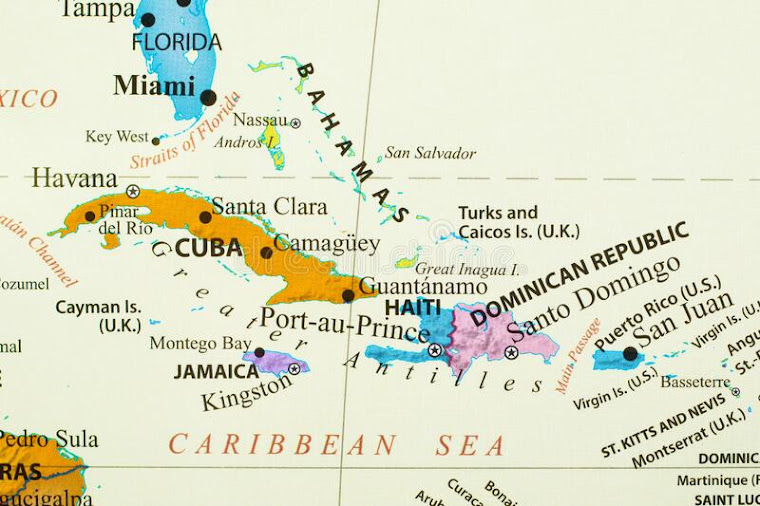
A political blog about Bahamian politics in The Bahamas, Bahamian Politicans - and the entire Bahamas political lot. Bahamian Blogger Dennis Dames keeps you updated on the political news and views throughout the islands of The Bahamas without fear or favor. Bahamian Politicians and the Bahamian Political Arena: Updates one Post at a time on Bahamas Politics and Bahamas Politicans; and their local, regional and international policies and perspectives.
Thursday, February 3, 2011
Wednesday, February 2, 2011
The Vanguard Party has been revived...

Journalist and businesman revives the Vanguard Party
tribune242
THE socialist Vanguard Party has been revived under the interim leadership of journalist and businessman, Charles Fawkes.
Mr Fawkes, who will serve as the party's first secretary, is also the president of the National Consumer Association and organiser for the Commonwealth Group of Unions.
Founded in 1971 and originally known as the Vanguard Nationalist and Socialist Party, the party suspended political activities in 1995.
According to Mr Fawkes while the party's old slogan - "Dare to Struggle - Dare to Win" - will be preserved, the words "socialist and "nationalist" will be dropped.
"Henceforth, the grouping will simply be known as the Vanguard Party (VP). However, the party will remain as a party of the left, exclusively committed to the workers of The Bahamas, the wider Caribbean and the world and will participate in the ongoing debate and struggles from that perspective," said the party in a statement.
Over the next six months, it said, VP will reorganise its Central Committee, other party organs and its supporters.
In addition, the party's newspaper, "The Vanguard" will begin publication once again.
"In the coming months, the organisation's philosophy will be further explicated and disseminated to the public as the second edition of the party's book, The Struggle for Freedom in The Bahamas" will be published. Other officers of the party will also be named and elected from the reorganised general membership and supporters in the immediate future," the statement said.
It went on to emphasise that in the "new type" of party that "New Vanguard" hopes to become, the First Secretary will serve as leader.
"Additionally, it should be noted that to be a party of the people, it is not enough to say that the party represents the masses. The party must be an actual weapon of the masses, articulating their needs and demands and struggling untiringly for their interest.
"In a class divided society, no party can speak for all the classes. Those who serve the interests of the rich who profit from the present economic system must of necessity work against the interests of the poor and oppressed masses. And the neo-colonial PLP and FNM can no more serve the working-class majority in Bahamian society than could the old UBP.
"Only the Vanguard is a workers' party today, and the political awakening of the Bahamian working class will be measured by the strength and militancy of their support for the Vanguard."
When first organised in the early 1970s, the Vanguard Party grew out of the youth arm of the Progressive Liberal Party, and drew inspiration from the Black Panther Party in the United States.
Despite running candidates in elections in 1977 and 1979, the first Vanguard Party was unable to win a seat in parliament, never garnering more than 173 votes.
From 1979 to 1985, the party was led by academic and political theorist John T McCartney, now the department head and associate professor of government and law at Lafayette College in Easton, Pennsylvania.
February 02, 2011
tribune242

Tuesday, February 1, 2011
Perry Christie’s remarks should scare Cable and Wireless Communications (CWC)
The danger of doing deals with governments
thenassauguardian editorial
Perry Christie’s remarks on Friday regarding the Bahamas Telecommunications Company (BTC) deal were strong. He told supporters at a conclave at the Hilton Outten Conference Center that if elected, the next Progressive Liberal Party (PLP) government would redo the deal the Free National Movement (FNM) administration is negotiating with Cable and Wireless Communications (CWC).
“If the FNM administration proceeds against the advice of the PLP and sells to Cable and Wireless, we put Cable and Wireless on notice of our central position that the sale to Cable and Wireless is not in the national interest. And when we return to government, we will re-examine all of the provisions of the deal and we will aggressively renegotiate the terms of the agreement that we deem repugnant to the national interest,” said Christie.
This statement should scare CWC.
The last definitive barometer of public opinion in The Bahamas was the Elizabeth by-election in February 2010. The PLP won it by three votes. This would suggest that at that time—considering that Elizabeth is a swing seat—the electorate was still closely divided between the two major political parties.
The PLP feels justified threatening the CWC deal. After winning the May 2007 general election, the FNM administration cancelled contracts negotiated by the PLP when it was in government, including the straw market deal.
Governments have the responsibility to act in the best interest of the people they represent. If a new administration thinks a deal on the table is against the public interest, it should seek to change it or cancel it.
However, the government also has the legal responsibility to pay businesses what is owed due to breach of contract.
No national business can compete with the state when it comes to the power game.
The state has a department of lawyers, almost unlimited money through the Public Treasury and taxation and the capacity to make your life difficult, if not miserable.
In developing countries, these problems are magnified. Politicians in these countries often have less regard for the traditions and conventions of democracy, and more power is concentrated in their hands.
CWC is in a tough position. It is in the final stage of negotiating the acquisition of a major asset. At the same time, the opposition and alternative government has put it on notice that if it is elected, the deal it is about to sign with the current administration would not be honored.
This adds more uncertainty to the $210 million investment CWC is about to make.
If the PLP comes to office and breaks the deal, CWC could sue. Bahamian courts consistently demonstrate they are independent. The Supreme Court recently ruled against the government in the Blue Hill Road and Market Street road reversal dispute.
But such a battle would be long and expensive. It could also take the focus of CWC away from getting to know its new business and customers.
CWC is in a peculiar position. The unions representing the company’s soon-to-be workers dislike it. And now the opposition is threatening CWC with new terms.
CWC is an old organization with significant experience in the region. We wonder if its board is getting concerned about The Bahamas situation.
2/1/2011
thenassauguardian editorial
thenassauguardian editorial
Perry Christie’s remarks on Friday regarding the Bahamas Telecommunications Company (BTC) deal were strong. He told supporters at a conclave at the Hilton Outten Conference Center that if elected, the next Progressive Liberal Party (PLP) government would redo the deal the Free National Movement (FNM) administration is negotiating with Cable and Wireless Communications (CWC).
“If the FNM administration proceeds against the advice of the PLP and sells to Cable and Wireless, we put Cable and Wireless on notice of our central position that the sale to Cable and Wireless is not in the national interest. And when we return to government, we will re-examine all of the provisions of the deal and we will aggressively renegotiate the terms of the agreement that we deem repugnant to the national interest,” said Christie.
This statement should scare CWC.
The last definitive barometer of public opinion in The Bahamas was the Elizabeth by-election in February 2010. The PLP won it by three votes. This would suggest that at that time—considering that Elizabeth is a swing seat—the electorate was still closely divided between the two major political parties.
The PLP feels justified threatening the CWC deal. After winning the May 2007 general election, the FNM administration cancelled contracts negotiated by the PLP when it was in government, including the straw market deal.
Governments have the responsibility to act in the best interest of the people they represent. If a new administration thinks a deal on the table is against the public interest, it should seek to change it or cancel it.
However, the government also has the legal responsibility to pay businesses what is owed due to breach of contract.
No national business can compete with the state when it comes to the power game.
The state has a department of lawyers, almost unlimited money through the Public Treasury and taxation and the capacity to make your life difficult, if not miserable.
In developing countries, these problems are magnified. Politicians in these countries often have less regard for the traditions and conventions of democracy, and more power is concentrated in their hands.
CWC is in a tough position. It is in the final stage of negotiating the acquisition of a major asset. At the same time, the opposition and alternative government has put it on notice that if it is elected, the deal it is about to sign with the current administration would not be honored.
This adds more uncertainty to the $210 million investment CWC is about to make.
If the PLP comes to office and breaks the deal, CWC could sue. Bahamian courts consistently demonstrate they are independent. The Supreme Court recently ruled against the government in the Blue Hill Road and Market Street road reversal dispute.
But such a battle would be long and expensive. It could also take the focus of CWC away from getting to know its new business and customers.
CWC is in a peculiar position. The unions representing the company’s soon-to-be workers dislike it. And now the opposition is threatening CWC with new terms.
CWC is an old organization with significant experience in the region. We wonder if its board is getting concerned about The Bahamas situation.
2/1/2011
thenassauguardian editorial
Liberalizing the Telecommunications Market in The Bahamas
Liberalizing Telecommunications
by Simon
If those who don’t know history are condemned to repeat it, those who conveniently forget or pimp history for self-serving purposes are condemned to irrelevance and being made into a running joke.
During the debate on the sale of a majority stake of BTC to Cable and Wireless, the Opposition PLP and various leaders of unions representing telecommunications workers joined forces to promote a specious reading of history, which will not look kindly on their studied amnesia and purposeful forgetfulness.
One union leader brazenly, shamelessly and wrongly compared the current debate to the struggle for majority rule, adding insult by suggesting that we are now engaged in a racial battle. More on that laughable assertion later.
Meanwhile, the formerly progressive and liberal Opposition has reinforced its reactionary, regressive and illiberal bona fides even as it pretended to be greatly concerned about “the workers” and the “national interest”.
There was something amusing if not outlandishly hypocritical as one listened to Opposition members critique the Government’s plans to privatize BTC, especially as much of the critique was broadcast via a communications landscape liberalized by successive Ingraham administrations.
ABYSMAL
The Opposition’s fevered attempt to ignore its abysmal record on telecoms and rewrite history via the broadcast media was made possible by the FNM’s progressive communications policies.
These liberalizing policies have provided considerably more democratic space and freedom for opposition parties and others to freely express their views on a more open ZNS, and on the Cable 12 and the JCN TV nightly newscasts which now compete with ZNS, and over private radio stations from Grand Bahama to Inagua.
To borrow a catchphrase, when it came to liberalizing the telecommunications sector the PLP has never missed an opportunity to miss an opportunity.
Over the 25 years of the Pindling era and the singular undistinguished Christie term, the PLP failed to liberalize the broadcast media, failed to introduce cable, now a potential competitor to BTC, failed to privatize BTC, and failed to prepare ZNS to get out of the business of competing with the private sector.
For all of the Opposition’s noise in the telecommunications market and the marketplace of progressive ideas, they have demonstrated an aversion to the market and private enterprise, except if they have a chunk or controlling interest in such enterprise.
The thread running through the PLP’s multiple failures regarding the privatization and liberalization of the telecommunications sector is more than incompetence and a late-again style, though such a slack style of governance is partly to blame.
There is a much greater force at work here that runs through many other policy disasters by the Opposition. The master culprit is an absolute need for the Opposition and its oligarchs to maintain as much control as possible on state and economic power.
The sense of entitlement to power and the nation’s economic goods, entrenched during Sir Lynden’s rule, is alive and well in an Opposition that often views governance of The Bahamas by others as illegitimate.
PARALLEL
This is why over a quarter century in government the PLP maintained the draconian state monopoly on the broadcast media. It is also the story of Bahamas Airways which is in significant ways an eerie parallel with the attempt by the Christie administration to sell BTC to the phantom company Bluewater.
The full story of Bahamas Airways must wait for another day. Still, its demise is instructive. It is a tale of a partnership with Cathay Pacific, a well-established airline with deep pockets and proven expertise that could have made The Bahamas a vibrant regional hub, provided competitive airline service to our tourist market and saved taxpayers nearly half a billion in subsidies to Bahamasair.
Yet, almost overnight, Sir Lynden wrecked Bahamas Airways by giving promised routes to one of his cronies with no expertise in the airline business. The idea was to feather the nests of PLP oligarchs while sacrificing the national interest on the altar of their greed.
Sounds familiar? Again, there are those who want Bahamians to contract historical amnesia in order to repeat their windfall profits from various assets, including those of the state.
But back to the telecoms sector. Curiously, one of the PLP’s earliest potential scandals involved a lawyer close to Sir Lynden who attempted to overcharge the then Batelco for various legal services.
Many years later, after the end of the Pindling era, Hubert Ingraham set out a vision for the liberalization and privatization of the telecommunications sector based on various principles.
Those principles included a commitment to deepening democracy by dismantling the state’s autocratic control of various media. There was also a determination to foster greater private enterprise and ownership instead of continued state monopoly.
Mr. Ingraham’s long term vision and Messrs Pindling’s and Christie’s lack of foresight and planning have surfaced in the BTC debate. That the debate may be coming to a head soon after the 44th anniversary of Majority Rule offers a useful framework for a fact-based debate on the liberalization of BTC within the context of the issue of Bahamian ownership.
REALITY
It’s not just history some vested interests want us to ignore. They are also intent on conveniently ignoring current realities. Some of that reality, rather than spin, was recently highlighted in an interview The Tribune had with Deloitte & Touche (Bahamas) managing partner Raymond Winder.
Mr. Winder noted that as a result of last year’s Columbus Communications buyout that Cable Bahamas, which is 100 percent Bahamian-owned, would be at least one fully-owned Bahamian competitor for BTC. He further noted that the main issue in the current debate should be about liberalization and not simply privatization.
In his Tribune interview, Mr. Winder advised: “Cable Bahamas has demonstrated that it’s very competitive with BTC. Since Internet came to the Bahamas, there has been upward of 20-plus companies that have tried to enter that market, and in competition between BTC and Cable, Cable probably has more than 50 per cent of that Internet market.”
Mr. Winder, the chief negotiator for the country’s accession to full membership to the World Trade Organization continued: “We’re not losing Bahamian assets, and the challenge for any investor coming into BTC is how they’re going to compete with Cable Bahamas and any other Bahamian entity in the marketplace.
The noted accountant also advised that the sale of 51 percent of BTC did not mean that the sky was falling as some Henny Pennies would have the public believe: “The fact that a foreign company owns 51 per cent is not a magic number. You can have a company holding far less than 51 per cent that still has considerable control over directors and management.”
He further advised: “What the Government is attempting to do is get out of any involvement in the telecommunications decision-making process and allow BTC to compete.”
Of course, this is a frightening idea for an Opposition that has demonstrated in the past the need for the state, in the guise of the PLP, to absolutely control ZNS, the broadcast media as well as BTC.
This divide over providing more democratic space and freedom within the PLP and indeed the country was one of the main reasons for the split of the first ever majority rule government. It pitted more than personalities. Most of the debate was over core values and a vision of greatly expanding political and economic opportunities for all Bahamians regardless of race or class.
In failing to liberalize the telecommunications sector during 30 nonconsecutive years in office, the PLP abandoned the goals of the movement for majority rule in this vital sector.
It is the FNM that has succeeded in making the progressive and liberal dream of a liberalized telecommunications sector a reality. In turn this has resulted in greater freedom of speech and expression.
It has put BTC on the path to better serving the Bahamian people with cheaper, better and quicker service as well as enabling Bahamians to own for the first time shares in the company. And, the FNM’s vision and polices have resulted in Cable Bahamas as a fully privatized telecommunications company, in which Bahamians may also own shares.
The union leader who got his racial history mixed up, as well as those who keep pimping majority rule for their own self-serving purposes are on the losing side of the debate, because the past does not accord with their checkered version of history. Moreover, the future will not reward their outdated ideas and fear of embracing a new world which is leaving them sadly behind.
bahamapundit
by Simon
If those who don’t know history are condemned to repeat it, those who conveniently forget or pimp history for self-serving purposes are condemned to irrelevance and being made into a running joke.
During the debate on the sale of a majority stake of BTC to Cable and Wireless, the Opposition PLP and various leaders of unions representing telecommunications workers joined forces to promote a specious reading of history, which will not look kindly on their studied amnesia and purposeful forgetfulness.
One union leader brazenly, shamelessly and wrongly compared the current debate to the struggle for majority rule, adding insult by suggesting that we are now engaged in a racial battle. More on that laughable assertion later.
Meanwhile, the formerly progressive and liberal Opposition has reinforced its reactionary, regressive and illiberal bona fides even as it pretended to be greatly concerned about “the workers” and the “national interest”.
There was something amusing if not outlandishly hypocritical as one listened to Opposition members critique the Government’s plans to privatize BTC, especially as much of the critique was broadcast via a communications landscape liberalized by successive Ingraham administrations.
ABYSMAL
The Opposition’s fevered attempt to ignore its abysmal record on telecoms and rewrite history via the broadcast media was made possible by the FNM’s progressive communications policies.
These liberalizing policies have provided considerably more democratic space and freedom for opposition parties and others to freely express their views on a more open ZNS, and on the Cable 12 and the JCN TV nightly newscasts which now compete with ZNS, and over private radio stations from Grand Bahama to Inagua.
To borrow a catchphrase, when it came to liberalizing the telecommunications sector the PLP has never missed an opportunity to miss an opportunity.
Over the 25 years of the Pindling era and the singular undistinguished Christie term, the PLP failed to liberalize the broadcast media, failed to introduce cable, now a potential competitor to BTC, failed to privatize BTC, and failed to prepare ZNS to get out of the business of competing with the private sector.
For all of the Opposition’s noise in the telecommunications market and the marketplace of progressive ideas, they have demonstrated an aversion to the market and private enterprise, except if they have a chunk or controlling interest in such enterprise.
The thread running through the PLP’s multiple failures regarding the privatization and liberalization of the telecommunications sector is more than incompetence and a late-again style, though such a slack style of governance is partly to blame.
There is a much greater force at work here that runs through many other policy disasters by the Opposition. The master culprit is an absolute need for the Opposition and its oligarchs to maintain as much control as possible on state and economic power.
The sense of entitlement to power and the nation’s economic goods, entrenched during Sir Lynden’s rule, is alive and well in an Opposition that often views governance of The Bahamas by others as illegitimate.
PARALLEL
This is why over a quarter century in government the PLP maintained the draconian state monopoly on the broadcast media. It is also the story of Bahamas Airways which is in significant ways an eerie parallel with the attempt by the Christie administration to sell BTC to the phantom company Bluewater.
The full story of Bahamas Airways must wait for another day. Still, its demise is instructive. It is a tale of a partnership with Cathay Pacific, a well-established airline with deep pockets and proven expertise that could have made The Bahamas a vibrant regional hub, provided competitive airline service to our tourist market and saved taxpayers nearly half a billion in subsidies to Bahamasair.
Yet, almost overnight, Sir Lynden wrecked Bahamas Airways by giving promised routes to one of his cronies with no expertise in the airline business. The idea was to feather the nests of PLP oligarchs while sacrificing the national interest on the altar of their greed.
Sounds familiar? Again, there are those who want Bahamians to contract historical amnesia in order to repeat their windfall profits from various assets, including those of the state.
But back to the telecoms sector. Curiously, one of the PLP’s earliest potential scandals involved a lawyer close to Sir Lynden who attempted to overcharge the then Batelco for various legal services.
Many years later, after the end of the Pindling era, Hubert Ingraham set out a vision for the liberalization and privatization of the telecommunications sector based on various principles.
Those principles included a commitment to deepening democracy by dismantling the state’s autocratic control of various media. There was also a determination to foster greater private enterprise and ownership instead of continued state monopoly.
Mr. Ingraham’s long term vision and Messrs Pindling’s and Christie’s lack of foresight and planning have surfaced in the BTC debate. That the debate may be coming to a head soon after the 44th anniversary of Majority Rule offers a useful framework for a fact-based debate on the liberalization of BTC within the context of the issue of Bahamian ownership.
REALITY
It’s not just history some vested interests want us to ignore. They are also intent on conveniently ignoring current realities. Some of that reality, rather than spin, was recently highlighted in an interview The Tribune had with Deloitte & Touche (Bahamas) managing partner Raymond Winder.
Mr. Winder noted that as a result of last year’s Columbus Communications buyout that Cable Bahamas, which is 100 percent Bahamian-owned, would be at least one fully-owned Bahamian competitor for BTC. He further noted that the main issue in the current debate should be about liberalization and not simply privatization.
In his Tribune interview, Mr. Winder advised: “Cable Bahamas has demonstrated that it’s very competitive with BTC. Since Internet came to the Bahamas, there has been upward of 20-plus companies that have tried to enter that market, and in competition between BTC and Cable, Cable probably has more than 50 per cent of that Internet market.”
Mr. Winder, the chief negotiator for the country’s accession to full membership to the World Trade Organization continued: “We’re not losing Bahamian assets, and the challenge for any investor coming into BTC is how they’re going to compete with Cable Bahamas and any other Bahamian entity in the marketplace.
The noted accountant also advised that the sale of 51 percent of BTC did not mean that the sky was falling as some Henny Pennies would have the public believe: “The fact that a foreign company owns 51 per cent is not a magic number. You can have a company holding far less than 51 per cent that still has considerable control over directors and management.”
He further advised: “What the Government is attempting to do is get out of any involvement in the telecommunications decision-making process and allow BTC to compete.”
Of course, this is a frightening idea for an Opposition that has demonstrated in the past the need for the state, in the guise of the PLP, to absolutely control ZNS, the broadcast media as well as BTC.
This divide over providing more democratic space and freedom within the PLP and indeed the country was one of the main reasons for the split of the first ever majority rule government. It pitted more than personalities. Most of the debate was over core values and a vision of greatly expanding political and economic opportunities for all Bahamians regardless of race or class.
In failing to liberalize the telecommunications sector during 30 nonconsecutive years in office, the PLP abandoned the goals of the movement for majority rule in this vital sector.
It is the FNM that has succeeded in making the progressive and liberal dream of a liberalized telecommunications sector a reality. In turn this has resulted in greater freedom of speech and expression.
It has put BTC on the path to better serving the Bahamian people with cheaper, better and quicker service as well as enabling Bahamians to own for the first time shares in the company. And, the FNM’s vision and polices have resulted in Cable Bahamas as a fully privatized telecommunications company, in which Bahamians may also own shares.
The union leader who got his racial history mixed up, as well as those who keep pimping majority rule for their own self-serving purposes are on the losing side of the debate, because the past does not accord with their checkered version of history. Moreover, the future will not reward their outdated ideas and fear of embracing a new world which is leaving them sadly behind.
bahamapundit
Monday, January 31, 2011
Lots of gun crime in The Bahamas
Driving down crime
The Nassau Guardian Editorial
There are many parts to the overall strategy of driving down crime.
Aggressive policing is a must. It helps as well if police officers work within neighborhoods to build relationships so residents are more comfortable talking with police officers before and after a crime is committed.
It’s also important that special task forces go after particular crimes or zero in on high-crime areas.
There’s another part of the strategy that’s important, and that has to do with reducing the number of guns on our streets.
According to the 2010 crime statistics released last week, firearms were used in 69 of the 94 murders recorded. Firearms were also used in other serious crimes, such as armed robberies, housebreakings and burglaries, and in many cases, threats of death.
In 2010, 351 illegal firearms and 6,224 rounds of ammunition were seized. Those figures are up over the year before. In 2009, 312 illegal firearms and 4,388 rounds of ammunition were seized.
Commissioner of Police Ellison Greenslade has even agreed that it is time for the existing Firearms Unit to become an autonomous body given the high number of gun-related crimes.
In this space last week, The Nassau Guardian called for the government and judiciary to consider the establishment of a Gun Court to expedite the trials of suspects of gun-related crime.
Attorney General John Delaney announced on Friday that a Gun Court would be created in an attempt to ensure that those found with illegal firearms are quickly prosecuted. Gun charges will be isolated from other charges an individual may face.
The goal is to ensure that those found in possession of illegal firearms are incarcerated rather than being allowed to reoffend.
“The government is determined to make a full-frontal assault on firearm offenses,” said Delaney at Friday’s press conference, which was also attended by Minister of National Security Tommy Turnquest and senior officers from the Royal Bahamas Police Force, and took place following a meeting with Prime Minister Hubert Ingraham on gun crime.
A special inter-agency task force has also been set up to address the issue of illegal firearm possession.
The government should be commended for establishing the special court and task force, but it should not stop there.
Our gun laws are reasonably strict when it comes to gun ownership and are among the toughest in the region. The maximum penalty for illicit possession of firearms is five years imprisonment and a fine of $10,000.
The Gun Court will help ensure that suspects are quickly prosecuted, but laws must also be beefed up to ensure that individuals found guilty of such crimes do not get off easy. Special legislation is also needed to punish those found in possession of illegal assault rifles and machine guns.
We have a lot of gun crime in this country.
But a Gun Court, if operated properly, should not only help get some of those guns off the streets, but also save lives and family trauma.
That’s an important part of any crime-fighting strategy.
1/31/2011
The Nassau Guardian Editorial
The Nassau Guardian Editorial
There are many parts to the overall strategy of driving down crime.
Aggressive policing is a must. It helps as well if police officers work within neighborhoods to build relationships so residents are more comfortable talking with police officers before and after a crime is committed.
It’s also important that special task forces go after particular crimes or zero in on high-crime areas.
There’s another part of the strategy that’s important, and that has to do with reducing the number of guns on our streets.
According to the 2010 crime statistics released last week, firearms were used in 69 of the 94 murders recorded. Firearms were also used in other serious crimes, such as armed robberies, housebreakings and burglaries, and in many cases, threats of death.
In 2010, 351 illegal firearms and 6,224 rounds of ammunition were seized. Those figures are up over the year before. In 2009, 312 illegal firearms and 4,388 rounds of ammunition were seized.
Commissioner of Police Ellison Greenslade has even agreed that it is time for the existing Firearms Unit to become an autonomous body given the high number of gun-related crimes.
In this space last week, The Nassau Guardian called for the government and judiciary to consider the establishment of a Gun Court to expedite the trials of suspects of gun-related crime.
Attorney General John Delaney announced on Friday that a Gun Court would be created in an attempt to ensure that those found with illegal firearms are quickly prosecuted. Gun charges will be isolated from other charges an individual may face.
The goal is to ensure that those found in possession of illegal firearms are incarcerated rather than being allowed to reoffend.
“The government is determined to make a full-frontal assault on firearm offenses,” said Delaney at Friday’s press conference, which was also attended by Minister of National Security Tommy Turnquest and senior officers from the Royal Bahamas Police Force, and took place following a meeting with Prime Minister Hubert Ingraham on gun crime.
A special inter-agency task force has also been set up to address the issue of illegal firearm possession.
The government should be commended for establishing the special court and task force, but it should not stop there.
Our gun laws are reasonably strict when it comes to gun ownership and are among the toughest in the region. The maximum penalty for illicit possession of firearms is five years imprisonment and a fine of $10,000.
The Gun Court will help ensure that suspects are quickly prosecuted, but laws must also be beefed up to ensure that individuals found guilty of such crimes do not get off easy. Special legislation is also needed to punish those found in possession of illegal assault rifles and machine guns.
We have a lot of gun crime in this country.
But a Gun Court, if operated properly, should not only help get some of those guns off the streets, but also save lives and family trauma.
That’s an important part of any crime-fighting strategy.
1/31/2011
The Nassau Guardian Editorial
Sunday, January 30, 2011
The Bahamas Government is determined to make a full frontal assault on firearm offences
New court to fight gun crime
By TANEKA THOMPSON
Tribune Staff Reporter
tthompson@tribunemedia.net
THE Government last night announced a "full frontal assault" on gun crime, promising to bring those charged with firearm offences to trial in a matter of weeks after they are arraigned.
As of Monday, one magistrate's court will be dedicated to hear firearms cases in an effort to expedite the trial process.
The policy is expected to reduce the number of persons accused of gun crimes out on bail as they await trial.
Officials expect this will lower the chance of these suspects becoming repeat offenders and creating havoc in the community.
"Government is determined to make a full frontal assault on firearm offences. We will do that by, in every case of firearm possession, isolating the gun possession offence and seeking to have the individual tried before court as quickly as possible," said Attorney General John Delaney at a press conference to announce the new policy.
"We believe that by isolating the possession offence we can have a very speedy trial, and that we can get the individual, if he's found guilty, convicted and put away so that he is not available to become a repeat offender, or is not on bail for a very long time and thereby has the potential to create other difficulties," added Mr Delaney, flanked by National Security Minister Tommy Turnquest, top officers of the RBPF and Director of Public Prosecutions Vinette Graham-Allen.
Of the 94 murders in the Bahamas last year, 66 of them were committed with the use of firearms, according to police. As it stands, a person accused of a gun crime is arraigned, then later granted bail and could roam free as they await trial for months, even years.
In many cases, those on bail have been accused of committing other violent crimes. Mr Delaney said the new initiative aims to reduce the gap between arraignment and trial, and curb repeat offences.
"The idea here is developing speed, getting to the point of trial and removing a convicted person off the street and reducing the opportunity for persons who would have been found guilty of an offence, removing the opportunity for them to be on bail and therefore the risk of further offences."
Mr Turnquest said: "When that firearm is recovered we'd like to see that case disposed of swiftly and that criminal death with."
Police prosecutors will handle these cases, said Mr Delaney as he expressed confidence in their expertise.
He said: "The summary trials for the firearm offences will be prosecuted by police prosecutors with the full resources, assistance they might require from the Department of Public Prosecutions within my office. There are good police prosecutors and they have expertise and there's no reason at this time to change that. But at any point of time if, as Attorney General, I thought it appropriate for somebody from the DPP to prosecute a particular offence, that can happen."
Four persons accused of gun crimes are expected to be arraigned in court on Monday. They were arrested under the police force's new operation, Rapid Strike.
January 29, 2011
tribune242
By TANEKA THOMPSON
Tribune Staff Reporter
tthompson@tribunemedia.net
THE Government last night announced a "full frontal assault" on gun crime, promising to bring those charged with firearm offences to trial in a matter of weeks after they are arraigned.
As of Monday, one magistrate's court will be dedicated to hear firearms cases in an effort to expedite the trial process.
The policy is expected to reduce the number of persons accused of gun crimes out on bail as they await trial.
Officials expect this will lower the chance of these suspects becoming repeat offenders and creating havoc in the community.
"Government is determined to make a full frontal assault on firearm offences. We will do that by, in every case of firearm possession, isolating the gun possession offence and seeking to have the individual tried before court as quickly as possible," said Attorney General John Delaney at a press conference to announce the new policy.
"We believe that by isolating the possession offence we can have a very speedy trial, and that we can get the individual, if he's found guilty, convicted and put away so that he is not available to become a repeat offender, or is not on bail for a very long time and thereby has the potential to create other difficulties," added Mr Delaney, flanked by National Security Minister Tommy Turnquest, top officers of the RBPF and Director of Public Prosecutions Vinette Graham-Allen.
Of the 94 murders in the Bahamas last year, 66 of them were committed with the use of firearms, according to police. As it stands, a person accused of a gun crime is arraigned, then later granted bail and could roam free as they await trial for months, even years.
In many cases, those on bail have been accused of committing other violent crimes. Mr Delaney said the new initiative aims to reduce the gap between arraignment and trial, and curb repeat offences.
"The idea here is developing speed, getting to the point of trial and removing a convicted person off the street and reducing the opportunity for persons who would have been found guilty of an offence, removing the opportunity for them to be on bail and therefore the risk of further offences."
Mr Turnquest said: "When that firearm is recovered we'd like to see that case disposed of swiftly and that criminal death with."
Police prosecutors will handle these cases, said Mr Delaney as he expressed confidence in their expertise.
He said: "The summary trials for the firearm offences will be prosecuted by police prosecutors with the full resources, assistance they might require from the Department of Public Prosecutions within my office. There are good police prosecutors and they have expertise and there's no reason at this time to change that. But at any point of time if, as Attorney General, I thought it appropriate for somebody from the DPP to prosecute a particular offence, that can happen."
Four persons accused of gun crimes are expected to be arraigned in court on Monday. They were arrested under the police force's new operation, Rapid Strike.
January 29, 2011
tribune242
Saturday, January 29, 2011
The Bahamian people want change
Courage, Care and Capacity
The Bahama Journal Editorial
This Tuesday past, we did precisely what so very many other people around the world thought they had to do – this is to say, we tuned in as Barack Obama, president of the United States of America delivered his State of the Union address.
This address while nominally delivered to and on behalf of the American people is one that piques the interests of the entire world because the United States – despite the challenges it currently faces – remains number one in the world.
And for sure, it remains the one country upon which the Bahamas and its neighbors in the Americas and the Caribbean also rely.
As reported in the Washington Post, “…Mr. Obama said that one of the most important things he could do in his presidency was to “open up more markets to American goods around the world.” He struck an optimistic tone, even as he described the challenges the nation still faces in a difficult economy with unemployment above 9 percent.
“We’re living in a new and challenging time, in which technology has made competition easier and fiercer than ever before,” Mr. Obama said. “Countries around the world are upping their game and giving their workers and companies every advantage possible.”
“But that shouldn’t discourage us,” he continued. “Because I know we can win that competition. I know we can out-compete any other nation on earth. We just have to make sure we’re doing everything we can to unlock the productivity of American workers, unleash the ingenuity of American businesses and harness the dynamism of America’s economy.”
We wish Mr. Obama and his great nation all the best.
We also know that, this beloved land of ours is currently being challenged and tested by any number of forces arrayed against it is clearly evident.
As in the case of the United States where forces conducing to the good are currently contending with certain reactionary tendencies, so too in a Bahamas where so very many Bahamians are apparently sick and tired of things as they are.
These people want change; and for sure, the kind of change they yearn for has to do with the grounding of a new kind of Bahamian – namely that kind of person who can comprehend that true nation-building must have love at its foundation.
In addition, there must also be in place leadership that has vision sufficient to take the Bahamas to that sweet place where each Bahamian sees himself as custodian of this nation’s patrimony.
But surely, there are some matters prerequisite to change that must be put in place – and here sooner rather than later – if this dream of real change - is to be translated into purposeful action.
Three such now come to mind; with these being: courage, care and capacity.
Courage plays its part when those who lead do what they must; care comes when they realize that, they can and should human beings with the greatest of respect – and for, the best of intentions are always for naught where and when capacity is either missing or some how or the other lacking.
And evidently, engaged and enthusiastic leadership has a crucially important part to play in this process.
Indeed, when we make any sustained reference for better and more committed leadership; in truth we are putting the case for leadership that has requisite depth and power to get the job done.
And so, whether the job in question has to do with health, education, security – or ongoing investment in the nation’s sustained growth and development, there will always be a need for the generation of that cadre of leaders who have the moxie to get on with the job at hand.
In such a renewed Bahamas, leadership would truly lead.
Put simply, while we have a pressing need to get out from under our current set of problems; there is commensurately, a crying need for the Bahamian people to become more engaged in this process of change.
There is also a need for the forging of a truly national consensus on a number of issues that now beg for both resolve resolution.
Here crime comes to mind; so does the matter involving undocumented migrants living and working in the Bahamas – and their relatives who routinely brave the high seas in order to join up with earlier migrant-pioneers.
Evidently, therefore, the time is surely now for both the governing party and its parliamentary opposition, and other interested parties in civil society to – once and for all – hammer out a consensus on this matter involving Haitians and other such people that best serves the national interests of the Bahamas.
Evidently, "things as they are" is just not the way to go.
In the ultimate analysis, the best leadership that a people can ever have is comprised of men and women seized with will, vision and demonstrated capacity to be up and doing with their assigned jobs.
January 28th, 2011
The Bahama Journal Editorial
The Bahama Journal Editorial
This Tuesday past, we did precisely what so very many other people around the world thought they had to do – this is to say, we tuned in as Barack Obama, president of the United States of America delivered his State of the Union address.
This address while nominally delivered to and on behalf of the American people is one that piques the interests of the entire world because the United States – despite the challenges it currently faces – remains number one in the world.
And for sure, it remains the one country upon which the Bahamas and its neighbors in the Americas and the Caribbean also rely.
As reported in the Washington Post, “…Mr. Obama said that one of the most important things he could do in his presidency was to “open up more markets to American goods around the world.” He struck an optimistic tone, even as he described the challenges the nation still faces in a difficult economy with unemployment above 9 percent.
“We’re living in a new and challenging time, in which technology has made competition easier and fiercer than ever before,” Mr. Obama said. “Countries around the world are upping their game and giving their workers and companies every advantage possible.”
“But that shouldn’t discourage us,” he continued. “Because I know we can win that competition. I know we can out-compete any other nation on earth. We just have to make sure we’re doing everything we can to unlock the productivity of American workers, unleash the ingenuity of American businesses and harness the dynamism of America’s economy.”
We wish Mr. Obama and his great nation all the best.
We also know that, this beloved land of ours is currently being challenged and tested by any number of forces arrayed against it is clearly evident.
As in the case of the United States where forces conducing to the good are currently contending with certain reactionary tendencies, so too in a Bahamas where so very many Bahamians are apparently sick and tired of things as they are.
These people want change; and for sure, the kind of change they yearn for has to do with the grounding of a new kind of Bahamian – namely that kind of person who can comprehend that true nation-building must have love at its foundation.
In addition, there must also be in place leadership that has vision sufficient to take the Bahamas to that sweet place where each Bahamian sees himself as custodian of this nation’s patrimony.
But surely, there are some matters prerequisite to change that must be put in place – and here sooner rather than later – if this dream of real change - is to be translated into purposeful action.
Three such now come to mind; with these being: courage, care and capacity.
Courage plays its part when those who lead do what they must; care comes when they realize that, they can and should human beings with the greatest of respect – and for, the best of intentions are always for naught where and when capacity is either missing or some how or the other lacking.
And evidently, engaged and enthusiastic leadership has a crucially important part to play in this process.
Indeed, when we make any sustained reference for better and more committed leadership; in truth we are putting the case for leadership that has requisite depth and power to get the job done.
And so, whether the job in question has to do with health, education, security – or ongoing investment in the nation’s sustained growth and development, there will always be a need for the generation of that cadre of leaders who have the moxie to get on with the job at hand.
In such a renewed Bahamas, leadership would truly lead.
Put simply, while we have a pressing need to get out from under our current set of problems; there is commensurately, a crying need for the Bahamian people to become more engaged in this process of change.
There is also a need for the forging of a truly national consensus on a number of issues that now beg for both resolve resolution.
Here crime comes to mind; so does the matter involving undocumented migrants living and working in the Bahamas – and their relatives who routinely brave the high seas in order to join up with earlier migrant-pioneers.
Evidently, therefore, the time is surely now for both the governing party and its parliamentary opposition, and other interested parties in civil society to – once and for all – hammer out a consensus on this matter involving Haitians and other such people that best serves the national interests of the Bahamas.
Evidently, "things as they are" is just not the way to go.
In the ultimate analysis, the best leadership that a people can ever have is comprised of men and women seized with will, vision and demonstrated capacity to be up and doing with their assigned jobs.
January 28th, 2011
The Bahama Journal Editorial
Subscribe to:
Posts (Atom)