tribune242 editorial
PRIME Minister Ingraham resurrected the issue of women's rights at a luncheon given last week to celebrate the thirtieth anniversary of the opening of the Bureau of Women's Affairs.
Mr Ingraham seems more concerned about women's rights than many Bahamian women, who appear quite content to continue to walk a few paces behind their men. Although women are no longer -- as they once were -- classified on our statute books with "children and lunatics" -- their children still cannot claim Bahamian nationality if their husband is not a Bahamian. However, the irony of the matter is that illegitimate children of a Bahamian woman are Bahamian citizens even though the children's natural father might be a foreigner -- and even though they might be born outside the Bahamas. So any child who wants Bahamian citizenship is better off if his mother is unmarried. Also, as in Common Law a child's nationality follows that of the father, children of Bahamian men married to foreign women, are also Bahamian -- regardless of where they are born.
The only children left out in the cold -- and at the discretion of the whim of a politician -- are the legitimate children of a Bahamian mother and a non-Bahamian father.
Make sense? Not to us, but if the rejection of the referendum to right an obvious wrong is to be the yardstick, its seems that illegitimacy has more status in this country than legitimacy. And given a chance by the Ingraham government in a free vote on February 27, 2002 it was the women themselves who rejected the referendum, and decided to remain unequal.
Of course, it was the PLP Opposition that muddied the waters and confused the electorate. The PLP apparently thought that the defeat of the referendum would be a defeat of the Ingraham government at the polls -- which it eventually was.
On the floor of the House -- and led by then Opposition leader Perry Christie -- the PLP did a most interesting two-foot shuffle. Having had an inordinate amount of time to consult with the government on the proposed referendum, which Prime Minister Ingraham assured them would not include any issue with which they disagreed, and after a five-day debate in the House on the proposed referendum, 39 of the 40 MPs voted "yes" to the referendum. All questions that were to go to the public for its vote, the Opposition on the floor of the House had agreed.
However, when it came time for the public to vote, the PLP -- again led by Mr Christie -- ordered their supporters to vote "no."
Surprisingly Mrs Alyson Maynard Gibson, at that time PLP MP for Pinewood, threw out the red herring that a "yes" vote for the referendum, which would make Bahamian women equal to their menfolk, would create a "marriage of convenience" market in the Bahamas. Why should it be more of a marriage of convenience for Bahamian women than for Bahamian men? Apparently she had no answer.
If Mrs Gibson had looked carefully at the 1973 Constitution and the proposed change, she would have known that this was not true. The nationality amendments to the Constitution were to make Bahamian women equal, not give them more rights than Bahamian men.
But all that did not matter. We have never seen or heard such jiggery-pokery as the PLP pulled during that referendum. It had become so political - PLP vs FNM -- that in the end the real issue was lost. As a result Bahamian women remain second class citizens -- and they have only themselves to blame.
"We put in our Constitution," Mr Ingraham said at the time, "a provision that gave to Bahamian women who had children outside of a marriage more rights than a Bahamian woman who was in fact married."
And so it remains today. It's now up to Bahamian women to do something about it.
About a year later -- by now Mr Ingraham had lost the 2002 election and Mr Christie was Prime Minister -- we attended a wedding at which Mr Christie was also present. The date was May 30, 2003. The place-- St Anselm's Church, Fox Hill.
Outside of the church we introduced Mr Christie to a Bahamian woman from an old and respected Bahamian family who had married a foreigner and whose children were left out in the cold by the defeated referendum. We brought the matter to his attention. He gave her his most affable smile, and, never at a loss for words, assured her that on his watch all wrongs would be made right. He said he knew that Mr Ingraham could not get the referendum through, but he, Perry Christie, certainly could. As Prime Minister he intended to do so.
That conversation took place eight years ago. Since then the young Bahamian man and his foreign wife, whose wedding we attended, have had four handsome Bahamian boys -- one of them born in England. Mr Christie was prime minister for five years and today the children of Bahamian women, whose husbands are foreign, are still out in the cold.
From the day of that conversation no more was heard from Mr Christie's quarter about women's rights, nor about doing something about the referendum that he helped scuttle.
June 27, 2011
tribune242 editorial
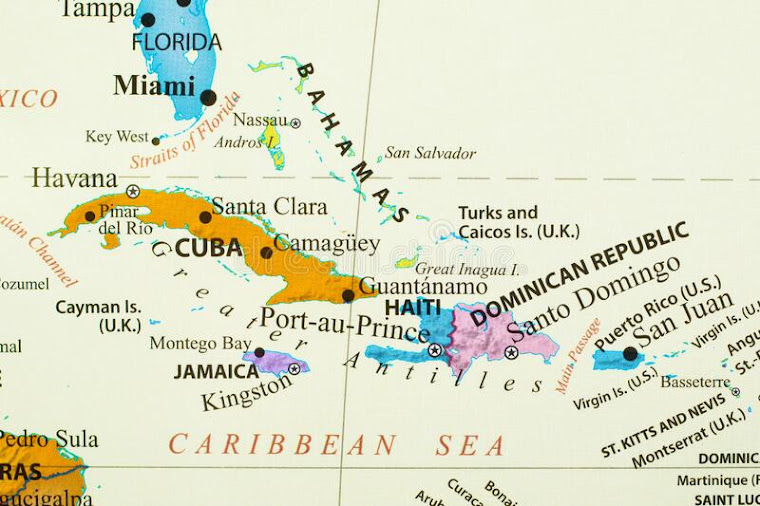
A political blog about Bahamian politics in The Bahamas, Bahamian Politicans - and the entire Bahamas political lot. Bahamian Blogger Dennis Dames keeps you updated on the political news and views throughout the islands of The Bahamas without fear or favor. Bahamian Politicians and the Bahamian Political Arena: Updates one Post at a time on Bahamas Politics and Bahamas Politicans; and their local, regional and international policies and perspectives.
Monday, June 27, 2011
Sunday, June 26, 2011
Ruth Bowe-Darville - President of the Bahamas Bar Association says: Bahamians who suggest abandoning the Privy Council as a final court of appeal are “treading in very dangerous water.”
Bar Council chief says Privy Council still needed
JUAN McCARTNEY
NG Senior Reporter
thenassauguardian
juan@nasguard.com
President of the Bahamas Bar Association Ruth Bowe-Darville has expressed concern over recent calls for the country to move away from the Privy Council as a final court of appeal in the wake of a controversial ruling on how the death penalty should be applied.
Bowe-Darville said Bahamians who suggest abandoning the Privy Council are “treading in very dangerous water.”
“Criminally, it’s one thing. Civilly, when you’re dealing with financial matters and the economic impact of it, litigants who come before our court, they need that assurance that there is some place of last resort that is independent and seen to be independent,” said Bowe-Darville while appearing as a guest on the Star 106.5 FM program “Jeffrey” on Thursday.
“Litigants who come before us with multi-million-dollar cases and they see us as a great financial center, they need the assurance that the Privy Council is there,” she said.
Last week, the Privy Council quashed the death sentence of murder convict Maxo Tido and ruled that the gruesome murder of 16-year-old Donnell Conover in 2002 did not warrant a death sentence.
When police discovered Conover’s body, her skull was crushed and she was badly burned.
But the Privy Council, while recognizing that it was a dreadful and appalling murder, said it did not fall into the category of worst of the worst.
Tido was sentenced more than five years ago.
Prime Minister Hubert Ingraham announced in the House of Assembly on Monday that the government intends to bring a bill to Parliament before the summer recess to deal with “the question of the imposition of the death penalty in The Bahamas”.
The legislation would outline specific categories of murder.
Bowe-Darville said the government has to address the question of the death penalty through legislation, but has to be careful not to offend members of the international community.
“I think the question of the death penalty needs to be addressed. I think the country is torn by it because we’re in the throes of this crime epidemic as people have labeled it,” she said.
“People believe that the sentence of death and the implementing of the sentence is going to solve the problem — rightly or wrongly.
“The debate is wide open. Whether the passage of legislation will resolve the problem is yet to be seen, but we need to address it, not only for our own national or domestic needs, but the addressing of the death penalty issue also has international implications for us. It also has economic implications for us.”
Bowe-Darville said Bahamians must remember that the country is “a small fish in a very big pond.”
“The wider community out there with whom we interact internationally, they’re not for the death penalty and have long not been,” she said.
“We interact with them for trade; we look to them for funding. And so we have to consider those implications as well. [Certainly the prime minister] would have considered our greater good and he would consider our interaction with the wider world as well when the legislation comes forward.”
Jun 25, 2011
thenassauguardian
JUAN McCARTNEY
NG Senior Reporter
thenassauguardian
juan@nasguard.com
President of the Bahamas Bar Association Ruth Bowe-Darville has expressed concern over recent calls for the country to move away from the Privy Council as a final court of appeal in the wake of a controversial ruling on how the death penalty should be applied.
Bowe-Darville said Bahamians who suggest abandoning the Privy Council are “treading in very dangerous water.”
“Criminally, it’s one thing. Civilly, when you’re dealing with financial matters and the economic impact of it, litigants who come before our court, they need that assurance that there is some place of last resort that is independent and seen to be independent,” said Bowe-Darville while appearing as a guest on the Star 106.5 FM program “Jeffrey” on Thursday.
“Litigants who come before us with multi-million-dollar cases and they see us as a great financial center, they need the assurance that the Privy Council is there,” she said.
Last week, the Privy Council quashed the death sentence of murder convict Maxo Tido and ruled that the gruesome murder of 16-year-old Donnell Conover in 2002 did not warrant a death sentence.
When police discovered Conover’s body, her skull was crushed and she was badly burned.
But the Privy Council, while recognizing that it was a dreadful and appalling murder, said it did not fall into the category of worst of the worst.
Tido was sentenced more than five years ago.
Prime Minister Hubert Ingraham announced in the House of Assembly on Monday that the government intends to bring a bill to Parliament before the summer recess to deal with “the question of the imposition of the death penalty in The Bahamas”.
The legislation would outline specific categories of murder.
Bowe-Darville said the government has to address the question of the death penalty through legislation, but has to be careful not to offend members of the international community.
“I think the question of the death penalty needs to be addressed. I think the country is torn by it because we’re in the throes of this crime epidemic as people have labeled it,” she said.
“People believe that the sentence of death and the implementing of the sentence is going to solve the problem — rightly or wrongly.
“The debate is wide open. Whether the passage of legislation will resolve the problem is yet to be seen, but we need to address it, not only for our own national or domestic needs, but the addressing of the death penalty issue also has international implications for us. It also has economic implications for us.”
Bowe-Darville said Bahamians must remember that the country is “a small fish in a very big pond.”
“The wider community out there with whom we interact internationally, they’re not for the death penalty and have long not been,” she said.
“We interact with them for trade; we look to them for funding. And so we have to consider those implications as well. [Certainly the prime minister] would have considered our greater good and he would consider our interaction with the wider world as well when the legislation comes forward.”
Jun 25, 2011
thenassauguardian

Saturday, June 25, 2011
Perry Christie - the Opposition leader says: ...while he recognises the sensitive plight of the Haitian people, the Bahamas' predicament as a transit point between Haiti and the United States should be taken into consideration when discussing deportation policies
Christie: The UN needs to understand Bahamas' 'burdensome' Haiti problem
By CELESTE NIXON
Tribune Staff Reporter
tribune242
cnixon@tribunemedia.net
OPPOSITION leader Perry Christie said the global community needs to be made aware of the Bahamas' unique and burdensome position when it comes to Haiti.
Responding to the United Nations call for the government to extend measures that will allow Haitians to legally remain in the country, Mr Christie said that while he recognises the sensitive plight of the Haitian people, the Bahamas' predicament as a transit point between Haiti and the United States should be taken into consideration when discussing deportation policies.
He said: "The United Nations and the world need to understand the burden the Bahamian people have carried on this issue if only because of our proximity to Haiti and as we are seen as a window to the United States."
As a result of the deplorable conditions that persist 18 months after the deadly earthquake in Haiti the UN's refugee agency (UNHCR) has recently appealed to the Bahamas and other countries to take measures to allow Haitian immigrants to legally remain outside their country.
Mr Christie said that while there should be an official response to any call of action by the United Nations, the government should also ensure the international community has a full understanding of the immigration situation in the Bahamas.
He said it must be made clear that because of the country's limited resources, the Bahamas will always need help in this regard, particularly through bilateral arrangements.
Mr Christie said: "We are always prepared to do the right thing with respect to our neighbours, but it must be understood that in that process, the Bahamas needs all the help it can get as we carry the brunt of the nationals of Haiti coming to and remaining in the country."
PLP MP for Fox Hill Fred Mitchell added that the party will be contacting the Ministry of Foreign Affairs to gain a better understanding of exactly what the United Nations is requesting, in an effort to help determine the best way forward.
June 24, 2011
tribune242
By CELESTE NIXON
Tribune Staff Reporter
tribune242
cnixon@tribunemedia.net
OPPOSITION leader Perry Christie said the global community needs to be made aware of the Bahamas' unique and burdensome position when it comes to Haiti.
Responding to the United Nations call for the government to extend measures that will allow Haitians to legally remain in the country, Mr Christie said that while he recognises the sensitive plight of the Haitian people, the Bahamas' predicament as a transit point between Haiti and the United States should be taken into consideration when discussing deportation policies.
He said: "The United Nations and the world need to understand the burden the Bahamian people have carried on this issue if only because of our proximity to Haiti and as we are seen as a window to the United States."
As a result of the deplorable conditions that persist 18 months after the deadly earthquake in Haiti the UN's refugee agency (UNHCR) has recently appealed to the Bahamas and other countries to take measures to allow Haitian immigrants to legally remain outside their country.
Mr Christie said that while there should be an official response to any call of action by the United Nations, the government should also ensure the international community has a full understanding of the immigration situation in the Bahamas.
He said it must be made clear that because of the country's limited resources, the Bahamas will always need help in this regard, particularly through bilateral arrangements.
Mr Christie said: "We are always prepared to do the right thing with respect to our neighbours, but it must be understood that in that process, the Bahamas needs all the help it can get as we carry the brunt of the nationals of Haiti coming to and remaining in the country."
PLP MP for Fox Hill Fred Mitchell added that the party will be contacting the Ministry of Foreign Affairs to gain a better understanding of exactly what the United Nations is requesting, in an effort to help determine the best way forward.
June 24, 2011
tribune242
Friday, June 24, 2011
WikiLeaks: ...U.S. Embassy cables document the unsuccessful diplomatic maneuvers made over two administrations to get a go-ahead for liquefied natural gas (LNG) pipelines from Florida to The Bahamas

Failed diplomacy in LNG bid
By CANDIA DAMES
NG News Editor
thenassauguardian
candia@nasguard.com
A series of U.S. Embassy cables document the unsuccessful diplomatic maneuvers made over two administrations to get a go-ahead for liquefied natural gas (LNG) pipelines from Florida to The Bahamas.
One of the cables obtained by The Nassau Guardian through the whistleblower organization WikiLeaks said that in 2009 AES Corporation proposed constructing an LNG pipeline from Ocean Cay near Bimini to New Providence at no cost.
According to a former AES representative, when this idea was presented to Prime Minister Hubert Ingraham, the PM said he “wouldn’t be pushed into doing it.”
AES eventually decided to forgo this idea due to technological challenges and associated costs, the 2009 cable said.
The cables show aggressive steps taken by companies like AES in an effort to convince, first the Christie administration, and then the Ingraham administration to approve the project.
In 2005, AES representatives met with then U.S. Ambassador to The Bahamas John Rood to discuss the status of their proposed $650 million LNG project.
“AES expressed its frustration at the inability to get a final decision from Prime Minister Perry G. Christie, whom they claim is delaying a decision in an effort to get them to withdraw so he will not be blamed for the project’s failure,” a U.S. Embassy official wrote in a cable.
“AES is the current front-runner to get the LNG project. Opposition has centered on the impact any possible environmental damage would have on the Bahamian tourist industry.”
The government at the time was also considering a pair of competing proposals for an LNG facility and pipeline in The Bahamas.
Both projects would have included an import terminal, a re-gasification plant, and an undersea pipeline to South Florida, in addition to other support infrastructure.
The AES project called for the construction of an LNG facility on Ocean Cay near Bimini.
The cable claimed the AES officials met with the ambassador “to provide an update on their LNG proposal and to request assistance in dealing with an indecisive Christie Cabinet.”
However, other cables show that AES officials were equally frustrated by the Ingraham Cabinet’s failure to make a decision on the project in a timely fashion.
At the 2005 meeting with the ambassador, AES representative Aaron Samson said the company had already spent more than $55 million on the project, and noted that an agreement in principle had been signed, “and the prime minister will not speak to them because there are no other requirements that AES must satisfy,” the cable said.
“AES officials are especially frustrated with Bahamians and complained that although they have visited an operating AES LNG plant and seemed to be convinced of its safety, they now fail to speak out in favor of an LNG plant on Ocean Cay,” the embassy official wrote.
The official said that at an earlier meeting, David Davis and Ronald Thompson of the Office of the Prime Minister said that in their opinion “LNG is dead”.
The cable noted that then Minister of Trade and Industry Leslie Miller, the government’s chief proponent of LNG, estimated that the project would generate approximately $40 million in average annual revenues over the course of 25 years, for a total contribution to the Public Treasury of nearly $1 billion.
The project was also expected to create about 450 jobs during the construction phase and 25 to 35 permanent positions.
The cable noted that Minister Miller had alleged in a radio interview that the environmental group Re-Earth’s opposition to LNG was getting more media attention than it normally might because the group’s leader, Sam Duncombe, is white.
“Had this been a regular Bahamian of a hue like you and I, it would not have been tolerated or she would not have gotten the coverage that she has certainly gotten,” Miller was quoted as saying.
The cable also documented the nasty exchange on Cat Cay between Miller and Cat Cay investor Manuel Diaz.
A protracted debate
In the comment section of the cable, the embassy official wrote, “The consideration of the various LNG proposals typifies the slow and opaque decision-making process of the Christie government.
“Government ministers have been promising a decision ‘in a few weeks’ for nearly two years.
“Even for the consensus-driven society of The Bahamas, the LNG debate has been long, protracted, and increasingly bitter.”
The embassy official wrongly predicted, “In the end a cash-strapped Bahamian government may be forced to make a decision about an LNG facility so it can start collecting the revenue the project will generate.”
In another 2005 cable, Christie told Ambassador Rood he did not want the Cabinet to touch the LNG issue while he was recovering from his stroke.
“He acknowledged that certain Cabinet members — Foreign Minister Fred Mitchell; Tourism Minister Obie Wilchcombe and Transport Minister Glenys Hanna-Martin — were resolutely against LNG, but that many others saw the benefit the project would have for The Bahamas,” the cable said.
“The PM gave his assurances that LNG ‘would be dealt with’.”
But it never was before the change of government in 2007.
The Americans’ hope that LNG would be approved under Ingraham also turned out to be wrong.
After a courtesy call on Deputy Prime Minister and Foreign Affairs Minister Brent Symonette by U.S. Charge d’ Affaires Brent Hardt in 2007, an embassy official noted in a cable that Symonette was against approving any such projects.
In June 2007, Phenton Neymour, state minister responsible for energy issues, noted that the new government had not had time to address the LNG issue “but he signaled that the door was still open to eventual approval.”
“Views on LNG within the new Cabinet are quite diverse, with some ministers known to be strongly opposed and some in favor,” an embassy official wrote.
“Having provided the initial approvals for LNG development back in 2002, however, the FNM will certainly take a close look at whether to move ahead with what would be an important new economic direction that would help diversify the tourism-dependent economy.
“Energy prices are very high in The Bahamas and the embassy continues to encourage the government to explore alternative sources of energy.”
Recognizing though that LNG was not a priority for the Ingraham-led government, AES officials planned to review other ancillary projects on Ocean Cay including a rest stop for cruise ships and reopening mining operations on the island.
A source close to AES told The Nassau Guardian that while the project was never officially taken off the table, it is not now being aggressively pursued.
Jun 24, 2011
thenassauguardian
Thursday, June 23, 2011
Brent Symonette - Immigration Minister: ...repatriation of illegal Haitian immigrants will continue as normal, unless extremely dire conditions were highlighted in Haiti
UN urges halt to Haitian deportation
By TANEKA THOMPSON
Deputy Chief Reporter
tribune242
tthompson@tribunemedia.net
THE United Nations has issued a plea to the Bahamas not to deport Haitians due to the conditions which remain 18 months after the deadly earthquake.
The UN's refugee agency (UNHCR) and the Office of the United Nations High Commissioner for Human Rights (OHCHR) appealed to the Bahamas – and other governments which have repatriated Haitians since the disaster – to extend measures which will allow the immigrants to legally remain outside their country.
Despite the call, Immigration Minister Brent Symonette said repatriations will continue as normal unless extremely dire conditions were highlighted in Haiti.
"Given the current situation in Haiti, UNHCR and OHCHR are urging governments to renew, on humanitarian grounds, residence permits and other mechanisms that have allowed Haitians to remain outside their country," said UNHCR spokesperson Adrian Edwards at a press briefing in Geneva.
The UN said despite recent elections and ongoing reconstruction efforts, Haiti is still debilitated by the earthquake and cannot ensure adequate protection for some vulnerable returned citizens such as unaccompanied minors, disabled persons, people with health problems, victims of trafficking or of sexual abuse.
"The appeal calls on governments to assess Haitian cases on an individual basis and to pay special consideration and refrain from returning to Haiti persons with special protection needs, and to prevent situations where returns can lead to family separation," said Mr Edwards.
An estimated 680,000 earthquake survivors live in 1,000 tented camps in Port-au-Prince and other affected areas while an unknown number live outside Haiti, he added.
According to international reports, the recent appeal came after news that countries, including the Bahamas, Jamaica, Brazil and the United States were deporting Haitians.
Yesterday, Mr Symonette said the Bahamas' policy on repatriation remained unchanged and added that he did not know of any new developments that will impede the country from deporting illegal Haitian immigrants. Still the Government will continue to monitor the situation in Haiti, he said, and make adjustments to its immigration policy where warranted.
"When I return I will review the (UN's) declaration.
“Our stance has always been to uphold Christian values and not (repatriate) in situations that would be inhumane, but there has been nothing that happened yesterday or today which would have necessitated this issue," said Mr Symonette who is in Jamaica for a meeting with US Secretary of State Hillary Clinton.
"We will continue to review the situation in Haiti, we will be in contact with our ambassador on the ground in Haiti and I will discuss the matter further with the Haitian ambassador here," said the St Anne's MP.
Returns of illegal Haitian immigrants will continue in the meantime.
"The detention centre is not at the state in the moment to require repatriation.
“If for instance we find a vessel with 90 people on board in Inagua the situation will be reviewed at that point and more than likely those people will be repatriated, all things being equal," said the minister.
The Bahamas briefly suspended round-ups and repatriation of illegal Haitian immigrants after the January, 2010, earthquake which killed nearly 300,000 people and left hundreds of thousands homeless.
The US deported 375 Haitians in the 2010 fiscal year, which ended in September, after a short suspension following the earthquake.
The country has said it plans to deport approximately 700 immigrants with criminal records to Haiti this year.
June 23, 2011
tribune242
By TANEKA THOMPSON
Deputy Chief Reporter
tribune242
tthompson@tribunemedia.net
THE United Nations has issued a plea to the Bahamas not to deport Haitians due to the conditions which remain 18 months after the deadly earthquake.
The UN's refugee agency (UNHCR) and the Office of the United Nations High Commissioner for Human Rights (OHCHR) appealed to the Bahamas – and other governments which have repatriated Haitians since the disaster – to extend measures which will allow the immigrants to legally remain outside their country.
Despite the call, Immigration Minister Brent Symonette said repatriations will continue as normal unless extremely dire conditions were highlighted in Haiti.
"Given the current situation in Haiti, UNHCR and OHCHR are urging governments to renew, on humanitarian grounds, residence permits and other mechanisms that have allowed Haitians to remain outside their country," said UNHCR spokesperson Adrian Edwards at a press briefing in Geneva.
The UN said despite recent elections and ongoing reconstruction efforts, Haiti is still debilitated by the earthquake and cannot ensure adequate protection for some vulnerable returned citizens such as unaccompanied minors, disabled persons, people with health problems, victims of trafficking or of sexual abuse.
"The appeal calls on governments to assess Haitian cases on an individual basis and to pay special consideration and refrain from returning to Haiti persons with special protection needs, and to prevent situations where returns can lead to family separation," said Mr Edwards.
An estimated 680,000 earthquake survivors live in 1,000 tented camps in Port-au-Prince and other affected areas while an unknown number live outside Haiti, he added.
According to international reports, the recent appeal came after news that countries, including the Bahamas, Jamaica, Brazil and the United States were deporting Haitians.
Yesterday, Mr Symonette said the Bahamas' policy on repatriation remained unchanged and added that he did not know of any new developments that will impede the country from deporting illegal Haitian immigrants. Still the Government will continue to monitor the situation in Haiti, he said, and make adjustments to its immigration policy where warranted.
"When I return I will review the (UN's) declaration.
“Our stance has always been to uphold Christian values and not (repatriate) in situations that would be inhumane, but there has been nothing that happened yesterday or today which would have necessitated this issue," said Mr Symonette who is in Jamaica for a meeting with US Secretary of State Hillary Clinton.
"We will continue to review the situation in Haiti, we will be in contact with our ambassador on the ground in Haiti and I will discuss the matter further with the Haitian ambassador here," said the St Anne's MP.
Returns of illegal Haitian immigrants will continue in the meantime.
"The detention centre is not at the state in the moment to require repatriation.
“If for instance we find a vessel with 90 people on board in Inagua the situation will be reviewed at that point and more than likely those people will be repatriated, all things being equal," said the minister.
The Bahamas briefly suspended round-ups and repatriation of illegal Haitian immigrants after the January, 2010, earthquake which killed nearly 300,000 people and left hundreds of thousands homeless.
The US deported 375 Haitians in the 2010 fiscal year, which ended in September, after a short suspension following the earthquake.
The country has said it plans to deport approximately 700 immigrants with criminal records to Haiti this year.
June 23, 2011
tribune242
Wednesday, June 22, 2011
WikiLeaks: A U.S. diplomatic cable described Bahamian culture as one that “celebrates heterosexual prowess”, while still proclaiming its “overt religiosity.”
Cables examine Bahamian views on gay rights
BY JUAN McCARTNEY
NG Senior Reporter
thenassauguardian
juan@nasguard.com
As many Bahamians remain divided on the issue of gay rights in light of a recent United Nations Human Rights Council vote, some of them may find U.S. diplomats’ views on Bahamian sexual attitudes telling.
A U.S. diplomatic cable obtained by The Nassau Guardian through WikiLeaks described Bahamian culture as one that “celebrates heterosexual prowess”, while still proclaiming its “overt religiosity.”
”Bahamians also wryly acknowledge their compartmentalized religious beliefs, commemorated in a popular Bahamian ballad recounting the shortcomings of the ‘Sunday Christian’ who weekly repents their previous six days of sinfulness,” the cable asserted.
Bahamians who came out publicly against gay rights were also described as more “loud” than “violent.”
This opinion was espoused shortly after plans were announced to protest the arrival of thousands of gay cruise ship passengers and their families in Nassau on July 16, 2004.
The passengers were traveling on ‘The Norwegian Dawn’.
When news of a counter-protest by gay rights organization Rainbow Alliance at the same time and location was also announced, U.S. officials asked Bahamian law enforcement personnel to commit extra resources to ensure the safety of American tourists.
But the cable noted that The Bahamas has a “peaceful culture where the fire and brimstone generally stays verbal rather than physical.”
However, despite the feeling that those planning to protest were merely posturing, the U.S. Embassy still prepared meticulously for any unrest, monitoring media coverage of the upcoming events.
In preparation, officials at the U.S. Embassy also made contact with the Ministry of Tourism, former Bahamas Christian Council (BCC) president Dr. William Thompson and now retired Anglican Archbishop of the West Indies Drexel Gomez.
“The newly-elected (BCC) had been taking a more modulated stance on many issues since taking office, including homosexuality, than did the previous administration,” claimed the cable.
“When contacted…on July 14, Reverend Dr. Thompson…said that he stands by his ‘don't ask, don't tell’ policy,” the cable reported.
The cable claimed Thompson said the council welcomed anyone to The Bahamas but did not want visitors to “push their beliefs” on Bahamians.
According to the cable, Gomez told a U.S. Embassy official that he saw "no advantage or benefit" to demonstrating against the visit.
The cable said that then Prime Minister Perry Christie found himself “between a rock and a hard place on this controversy.”
“He owes his election to the active intervention of the conservative end of the Bahamian Protestant religious spectrum. He also knows that 60 percent of the country's gross domestic product (GDP) depends on tourism,” the cable noted. “The (conservative) churches who were his main backers in the last election expect some payback.”
The cable further commented: “The Free National Movement opposition is enjoying watching him squirm and doing its best to tighten the screws by repeatedly calling upon him to take a principled stand.”
There was a moderate protest when the cruise ship arrived, but there were no notable developments.
The Bahamas recently came out squarely in favor of the right to choose sexuality being a human right and the U.N. decision to condemn discrimination against gay, lesbian, bisexual and transgender people.
Jun 22, 2011
thenassauguardian
BY JUAN McCARTNEY
NG Senior Reporter
thenassauguardian
juan@nasguard.com
As many Bahamians remain divided on the issue of gay rights in light of a recent United Nations Human Rights Council vote, some of them may find U.S. diplomats’ views on Bahamian sexual attitudes telling.
A U.S. diplomatic cable obtained by The Nassau Guardian through WikiLeaks described Bahamian culture as one that “celebrates heterosexual prowess”, while still proclaiming its “overt religiosity.”
”Bahamians also wryly acknowledge their compartmentalized religious beliefs, commemorated in a popular Bahamian ballad recounting the shortcomings of the ‘Sunday Christian’ who weekly repents their previous six days of sinfulness,” the cable asserted.
Bahamians who came out publicly against gay rights were also described as more “loud” than “violent.”
This opinion was espoused shortly after plans were announced to protest the arrival of thousands of gay cruise ship passengers and their families in Nassau on July 16, 2004.
The passengers were traveling on ‘The Norwegian Dawn’.
When news of a counter-protest by gay rights organization Rainbow Alliance at the same time and location was also announced, U.S. officials asked Bahamian law enforcement personnel to commit extra resources to ensure the safety of American tourists.
But the cable noted that The Bahamas has a “peaceful culture where the fire and brimstone generally stays verbal rather than physical.”
However, despite the feeling that those planning to protest were merely posturing, the U.S. Embassy still prepared meticulously for any unrest, monitoring media coverage of the upcoming events.
In preparation, officials at the U.S. Embassy also made contact with the Ministry of Tourism, former Bahamas Christian Council (BCC) president Dr. William Thompson and now retired Anglican Archbishop of the West Indies Drexel Gomez.
“The newly-elected (BCC) had been taking a more modulated stance on many issues since taking office, including homosexuality, than did the previous administration,” claimed the cable.
“When contacted…on July 14, Reverend Dr. Thompson…said that he stands by his ‘don't ask, don't tell’ policy,” the cable reported.
The cable claimed Thompson said the council welcomed anyone to The Bahamas but did not want visitors to “push their beliefs” on Bahamians.
According to the cable, Gomez told a U.S. Embassy official that he saw "no advantage or benefit" to demonstrating against the visit.
The cable said that then Prime Minister Perry Christie found himself “between a rock and a hard place on this controversy.”
“He owes his election to the active intervention of the conservative end of the Bahamian Protestant religious spectrum. He also knows that 60 percent of the country's gross domestic product (GDP) depends on tourism,” the cable noted. “The (conservative) churches who were his main backers in the last election expect some payback.”
The cable further commented: “The Free National Movement opposition is enjoying watching him squirm and doing its best to tighten the screws by repeatedly calling upon him to take a principled stand.”
There was a moderate protest when the cruise ship arrived, but there were no notable developments.
The Bahamas recently came out squarely in favor of the right to choose sexuality being a human right and the U.N. decision to condemn discrimination against gay, lesbian, bisexual and transgender people.
Jun 22, 2011
thenassauguardian
Tuesday, June 21, 2011
WikiLeaks: 2007 U.S. Embassy diplomatic cables on the 2007 general election in The Bahamas
Cables examined 2007 PLP loss
CANDIA DAMES
NG News Editor
thenassauguardian
candia@nasguard.com
As politicians in The Bahamas craft their strategies ahead of the next general election, an examination of U.S. diplomatic cables on the 2007 poll may prove instructive.
One May 2007 cable said the Progressive Liberal Party held many advantages going into that election.
“It was a well-financed incumbent, held 29 of the 40 seats in Parliament, and boasted of a strong economy, job growth, and billions of dollars in new investments,” wrote a U.S. Embassy official.
“However, the PLP made a tactical error by focusing the election on the personalities of the two party leaders.
“Unlike former Prime Minister (Perry) Christie, (FNM leader Hubert) Ingraham is decisive — so much so that many blamed the FNM's 2002 election defeat on ‘Hubiggety’ Ingraham's imperial attitude.
“By focusing on personality, the PLP allowed the FNM to hammer away at the themes of trust and efficiency.”
It is not clear which official wrote that particular cable, but the name of Brent Hardt, then charge d’ affaires, is attached.
The cable noted that Ingraham, also known as ‘The Delivery Boy,’ is famous for his blunt honesty and his ability to deliver on his promises.
“This contrasted favorably for voters with Christie's reputation for tardiness, lack of control over his ministers, and inability to make tough decisions.”
The U.S. Embassy official wrote that the PLP's campaign theme —"So Said, So Done" — only served to highlight its own lack of action on outstanding electoral promises.
The cable said the FNM's theme — "It's About Trust" — resonated with a populace frustrated by Christie's scandal-plagued MPs, and the FNM buttressed this theme with pledges of open government and anti-corruption legislation.
The FNM's victory came also from its superior party organization, the cable said.
“In a 2005 conversation with the charge, PLP chairman Raynard Rigby had praised Ingraham's skills as a grassroots campaign organizer and predicted a tough fight for the PLP if Ingraham resumed party leadership,” the cable wrote.
“Rigby's prediction came true, as the FNM's party machinery was the driving force during the election. FNM constituency workers were electronically connected to headquarters and its detailed electronic maps and databases, with clear plans for house-to-house outreach and a unified approach to national advertising.”
The cable added, “Even on election day, FNM election workers coordinated like cogs in a well-oiled national machine while PLP workers labored, constituency by constituency, with little evident coordination.”
In a pre-election meeting, Ingraham told the embassy that Christie was a likable man and gifted speaker, but he was the last person you would want to organize a government.
“The prime minister's office was notorious inside and outside the government for its inefficiency and disorder,” the cable said.
“The PLP's inability to organize itself effectively for the election clearly flowed from the top.
“In fact, Christie's indecisiveness kept him from calling an early election, when the FNM was in leadership crisis and Ingraham still had one foot in retirement.
“Instead he waited until the last possible moment and thereby allowed Ingraham and the FNM the maximum time to get their feared organizational machinery in gear.”
The cable said demographic shifts also played a key role in the election.
“Traditional PLP seats in the low-income center of New Providence and traditional FNM seats on the beachfronts were fairly secure for each party,” it said.
“However, as The Bahamas has developed and as income and education levels have risen, constituents have moved from the traditional PLP areas into new middle-class areas.”
This shift has expanded the potential FNM base and eroded traditional loyalty to the PLP as the party of independence among those who view the FNM agenda as better suited to middle-class sensibilities, the cable said.
As a result, the FNM took most of the battleground districts with mixed constituencies, it added.
Another key demographic change was the large increase in young and first-time voters who are less tolerant of traditional Caribbean handout politics and want their representatives to deliver good governance, it added.
In fact, perceptions of poor PLP performance in government dogged PLP candidates, the embassy official wrote.
“While the FNM candidates discussed their plans to develop local government and improve services, the PLP candidates were forced to defend their sketchy record,” the cable said.
“In many cases, constituents were fed up with poor trash collection, bad roads, and perceived indifference of the parliamentary representatives to their concerns.”
According to the cable, these three winning factors — demographic shifts, national party organization and a focus on good governance —framed an election of differing campaign styles and parties with differing core values.
“The PLP is still the party of Lynden Pindling, the father of Bahamian independence whose later years were tarnished by allegations of drug-related corruption,” the embassy official wrote.
Rooted in the working-class neighborhoods of The Bahamas and quick to evoke issue of race, the PLP continued to campaign in the Pindling era style of perks for constituents, the cable said.
“The FNM victory reflects a politically maturing Bahamas, focused on modern governance and a more integrated, national approach to politics that clearly attracted younger and middle-class voters towards the party.”
The official noted that the 2007 race was the closest in decades and said “the PLP is well positioned to be a strong opposition in Parliament.”
Jun 20, 2011
thenassauguardian
CANDIA DAMES
NG News Editor
thenassauguardian
candia@nasguard.com
As politicians in The Bahamas craft their strategies ahead of the next general election, an examination of U.S. diplomatic cables on the 2007 poll may prove instructive.
One May 2007 cable said the Progressive Liberal Party held many advantages going into that election.
“It was a well-financed incumbent, held 29 of the 40 seats in Parliament, and boasted of a strong economy, job growth, and billions of dollars in new investments,” wrote a U.S. Embassy official.
“However, the PLP made a tactical error by focusing the election on the personalities of the two party leaders.
“Unlike former Prime Minister (Perry) Christie, (FNM leader Hubert) Ingraham is decisive — so much so that many blamed the FNM's 2002 election defeat on ‘Hubiggety’ Ingraham's imperial attitude.
“By focusing on personality, the PLP allowed the FNM to hammer away at the themes of trust and efficiency.”
It is not clear which official wrote that particular cable, but the name of Brent Hardt, then charge d’ affaires, is attached.
The cable noted that Ingraham, also known as ‘The Delivery Boy,’ is famous for his blunt honesty and his ability to deliver on his promises.
“This contrasted favorably for voters with Christie's reputation for tardiness, lack of control over his ministers, and inability to make tough decisions.”
The U.S. Embassy official wrote that the PLP's campaign theme —"So Said, So Done" — only served to highlight its own lack of action on outstanding electoral promises.
The cable said the FNM's theme — "It's About Trust" — resonated with a populace frustrated by Christie's scandal-plagued MPs, and the FNM buttressed this theme with pledges of open government and anti-corruption legislation.
The FNM's victory came also from its superior party organization, the cable said.
“In a 2005 conversation with the charge, PLP chairman Raynard Rigby had praised Ingraham's skills as a grassroots campaign organizer and predicted a tough fight for the PLP if Ingraham resumed party leadership,” the cable wrote.
“Rigby's prediction came true, as the FNM's party machinery was the driving force during the election. FNM constituency workers were electronically connected to headquarters and its detailed electronic maps and databases, with clear plans for house-to-house outreach and a unified approach to national advertising.”
The cable added, “Even on election day, FNM election workers coordinated like cogs in a well-oiled national machine while PLP workers labored, constituency by constituency, with little evident coordination.”
In a pre-election meeting, Ingraham told the embassy that Christie was a likable man and gifted speaker, but he was the last person you would want to organize a government.
“The prime minister's office was notorious inside and outside the government for its inefficiency and disorder,” the cable said.
“The PLP's inability to organize itself effectively for the election clearly flowed from the top.
“In fact, Christie's indecisiveness kept him from calling an early election, when the FNM was in leadership crisis and Ingraham still had one foot in retirement.
“Instead he waited until the last possible moment and thereby allowed Ingraham and the FNM the maximum time to get their feared organizational machinery in gear.”
The cable said demographic shifts also played a key role in the election.
“Traditional PLP seats in the low-income center of New Providence and traditional FNM seats on the beachfronts were fairly secure for each party,” it said.
“However, as The Bahamas has developed and as income and education levels have risen, constituents have moved from the traditional PLP areas into new middle-class areas.”
This shift has expanded the potential FNM base and eroded traditional loyalty to the PLP as the party of independence among those who view the FNM agenda as better suited to middle-class sensibilities, the cable said.
As a result, the FNM took most of the battleground districts with mixed constituencies, it added.
Another key demographic change was the large increase in young and first-time voters who are less tolerant of traditional Caribbean handout politics and want their representatives to deliver good governance, it added.
In fact, perceptions of poor PLP performance in government dogged PLP candidates, the embassy official wrote.
“While the FNM candidates discussed their plans to develop local government and improve services, the PLP candidates were forced to defend their sketchy record,” the cable said.
“In many cases, constituents were fed up with poor trash collection, bad roads, and perceived indifference of the parliamentary representatives to their concerns.”
According to the cable, these three winning factors — demographic shifts, national party organization and a focus on good governance —framed an election of differing campaign styles and parties with differing core values.
“The PLP is still the party of Lynden Pindling, the father of Bahamian independence whose later years were tarnished by allegations of drug-related corruption,” the embassy official wrote.
Rooted in the working-class neighborhoods of The Bahamas and quick to evoke issue of race, the PLP continued to campaign in the Pindling era style of perks for constituents, the cable said.
“The FNM victory reflects a politically maturing Bahamas, focused on modern governance and a more integrated, national approach to politics that clearly attracted younger and middle-class voters towards the party.”
The official noted that the 2007 race was the closest in decades and said “the PLP is well positioned to be a strong opposition in Parliament.”
Jun 20, 2011
thenassauguardian
Subscribe to:
Comments (Atom)