Politicians, pundits and pollsters
By Philip C. Galanis
With slightly more than one year, at most, before the general election must be called, the political temperature is already rising. In February this year, Dr. Andre Rollins resigned from the NDP, the political party he helped to create, and joined the PLP. He was quickly nominated to be the latter's standard bearer in the Fort Charlotte constituency.
In March, Branville McCartney, the FNM Member of Parliament for Bamboo Town, resigned from the governing Party and announced that his newly formed Democratic National Alliance (DNA) will contest the next elections with a full slate of candidates.
Not to be outdone or upstaged by Christie's PLP or Bran's DNA, last week Prime Minister Ingraham, with great fanfare and flanked by fellow-ministers and followers, welcomed Cassius Stuart, the Leader of the Bahamas Democratic Party, along with virtually his entire disbanded decade-old organization, into the Free National Movement. And let us not forget that one of the dailies predicted the imminent demise of the National Democratic Party, given the dissatisfaction with several of its leaders and disaffection from its ranks.
Meanwhile some Bahamian political spectators are virtually salivating in exuberant excitement and eager expectation to see which other veteran and wannabe politicians will be co-opted and who will defect from their current positions as this political ballet is choreographed and performed on the political stage. Perhaps as never before will the adage that "politics makes strange bedfellows" be corroborated as a truism in Bahamian politics — for the next few months, in any event.
Therefore this week, we would like to Consider This...what are we to make of the recent developments that have evoked such excitement on the domestic political landscape and what part do the pundits and pollsters play in this ever-growing drama we call Bahamian politics?
Politicians
It has become very clear that some of the recent novices and veterans in the political arena have now realized that they will continue to be marginalized by remaining on the periphery of the real political stage, outside the organizational mainstream of the two behemoths that are the PLP and the FNM. Accordingly, Dr. Andre Rollins and Cassius Stuart — along with almost his entire party — have determined to hitch their political fortunes to the major parties.
A frequently asked question regarding such political vacillations is whether those persons are really interested in improving the things that they have articulated to be wrong with both the country and the major political parties that up to one year ago they vehemently opposed, or are they more interested in their own political elevation and personal aggrandizement? Although Bran McCartney has taken a very different course, some will put the same question to him. Just how true they remain to their principles and fundamental positions will become more apparent in the fullness of time.
Pundits
The term "pundit" normally refers to one who regards himself as an expert in a particular subject and who offers his opinion or commentary to the public on that subject. Punditry has been applied to political analysis, the social sciences and sports. Traditionally, political pundits would include radio and television talk show hosts and their guests who are generally knowledgeable in such matters. Pundits also include newspaper and magazine columnists, most of whom, with the exception of the Scribe and Front Porch by Simon (both pseudonyms), have the courage of their convictions to identify themselves and stand by their positions, whether the public perceives their positions to be right, wrong or indifferent.
Pundits are often not necessarily scientific in their approach to political analysis, relying more on their intuition, a sixth sense, if you will, a historical frame of reference and even on their personal experience to explain the vicissitude of politics.
In a general sense, however, many Bahamians think of themselves as political pundits and equally possessed of the qualities that characterize those who more traditionally fit the definition. Virtually every Bahamian has a political opinion. Because Bahamians are generally well-informed on partisan and national issues, extremely interested in the body politic and politically astute, they are as eager to express their views as they are prepared to criticize or support government and opposition policies and decisions. And that is very healthy for our polity.
Pollsters
Pollsters on the other hand, as compared to pundits, attempt to provide a degree of scientific sophistry to political developments and issues of the day. An effective pollster will have a good understanding of mathematical and statistical methods to analyze and interpret events and to forecast outcomes. In short, pollsters have mastered the art that many politicians so often fail at. They actually ask people what they think about an issue, a policy or a national decision. Then they summarize the answers to the questions that they ask and present their findings based on what people actually think.
Some people are skeptical of pollsters, often objecting to the validity of the answers garnered from the poll, because the "doubting Thomases" question the veracity of persons whom they poll. It has often been suggested that Bahamians will provide the answers that they think the pollster is seeking rather than the truth of how the person polled actually feels.
However, there are techniques for pollsters to filter answers in order to arrive at a consensus position of persons who are polled. Furthermore, although polling in The Bahamas is a relatively new discipline, the politician who prefers to rely exclusively on his intuition or the “expertise” of the pundits do so at their peril. The fact of the matter is that politics has become more scientific in assessing public opinion and sentiment and polling has proven to be a very useful tool to accomplish that task.
Just this past week, the relatively new Bahamian market research firm, Public Domain, headed by Mwale Rahming, released the results of a poll that his firm conducted between February 16 and March 11, 2011. Public Domain indicated that 402 persons were polled, weighted by region, age and gender, in order to ensure that the population represented a good cross-section of the Bahamian adult population. The poll represented a five percent margin of error which is quite acceptable for such an exercise.
To the question: "If the election was held today, which party would you vote for?" the results were reminiscent of the Elizabeth bye-election. The respondents indicated that 28 percent would vote for the PLP and 25 percent for the FNM. What is even more revealing about that poll is that 21 percent indicated that they would vote for a third, unbranded party and 26 percent were undecided. The conclusion of that poll is that 47 percent, nearly one-half of the respondents, did not have an appetite for either the PLP or the FNM. The conclusion can be drawn from this is that there is a very large percentage of disaffected voters who are not happy with the two major parties. This confirms the perceptions of many political pundits.
Secondly, the respondents were asked "How satisfied are you with the current government led by Prime Minister Hubert Ingraham?" The response was that 14 percent were very satisfied, 35 percent were somewhat satisfied for a total of 49 percent who were generally satisfied with the current government. Equally revealing was the conclusion that 21 percent were somewhat dissatisfied and another 25 percent were very dissatisfied for a total dissatisfaction rating of 46 percent. The remaining four percent did not know. This is very interesting when one considers how close today’s figures are to the percentage of voters who actually voted FNM in the last general election, nearly 49.82 percent, as compared to those who didn’t vote FNM but voted PLP, which was 46.98 percent.
Finally, to the question: "If a third political party presented a full slate of andidates with a mix of veteran and new candidates, how likely would you be to vote for this third party?" the responses were astounding. The response was that 32 percent were very likely to do so, 25 percent were somewhat likely to do so, for a total of 57 percent who said that they were likely to vote for a third party. In addition, 11 percent were not very likely to do so, while another 21 percent were not likely at all to vote for a third party, rendering a total of 32 percent who would not likely to vote for a third party. The remaining 11 percent did not know.
These poll results should give both the PLP and the FNM reason to be concerned about voter sentiment at this particular point in time and should also be very encouraging to Branville McCartney who, when this poll was conducted, had not yet announced that he would form a political party and that he would present a full slate of candidates in the upcoming elections.
Conclusion
We have always maintained that the next general election will be a close, fiercely contested and combative conflict. It is clear that politicians must fully understand the political landscape. The pundits will have much to talk and write about as the "silly season" unfolds, sharing their considered opinions and gut feelings with all and sundry. Finally, the pollsters will have an increasingly important role to play as they investigate and measure the actual feelings of voters, unraveling the variables and vicissitudes that will contribute to the success of the victor and failure of the vanquished in the next general election, whenever it is called.
Philip C. Galanis is the managing partner of HLB Galanis & Co., Chartered Accountants, Forensic & Litigation Support Services. He served 15 years in Parliament. Please send your comments to pgalanis@gmail.com.
4/17/2011
thenassauguardian
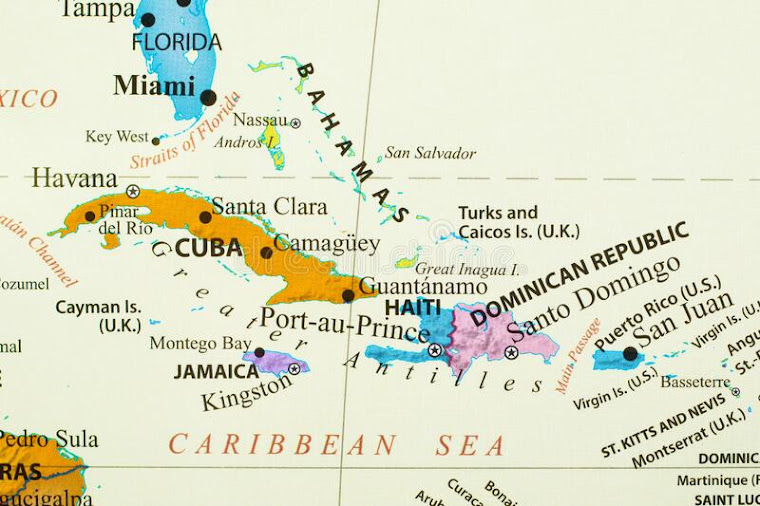
A political blog about Bahamian politics in The Bahamas, Bahamian Politicans - and the entire Bahamas political lot. Bahamian Blogger Dennis Dames keeps you updated on the political news and views throughout the islands of The Bahamas without fear or favor. Bahamian Politicians and the Bahamian Political Arena: Updates one Post at a time on Bahamas Politics and Bahamas Politicans; and their local, regional and international policies and perspectives.
Friday, April 22, 2011
Thursday, April 21, 2011
We live in one of the most violent countries in the world
‘A phenomenal burden’
By CANDIA DAMES
Guardian News Editor
candia@nasguard.com
A closer look at the impact of crime on PMH
The high level of violent crime is stretching resources all around, and officials at Princess Margaret Hospital (PMH) know that all too well. “I think that it has been said repeatedly that the impact of violence, crime, accidents on the public health care system has been almost overwhelming,” said Senator Dr. Duane Sands, who is consultant surgeon at PMH.
“The national statistics would seem to suggest that we have a murder count of whatever. In reality that number, the number of absolute deaths from violence belies the real problem.
“And this is not a new phenomenon. This is something that has been going on now for at least a decade.”
But Sands noted that the hospital continues to see more gunshot victims than in the past.
“We see on average in this country, in excess of 400 major stabbing or shooting traumas (every year),” he added.
“What has happened in the last three years is we’ve seen the knife been replaced by the gun. And so what that does to the emergency room, what that does to the operating room, the Intensive Care Unit and the wards is put a phenomenal burden [on them].”
According to information provided by Sands, in 2000, there were 323.6 assaults recorded for every 100,000 inhabitants in the United States.
By extrapolation, The Bahamas might anticipate 900 to 1,000 assaults per year.
Instead, it is recording more than 3,000 at PMH alone.
“We live in one of the most violent countries in the world,” he noted in a recent presentation at the Medical Association of The Bahamas conference.
“Trauma is a major public health problem.”
Sands noted in an interview with National Review that Medical Advisor to the Public Hospitals Authority Dr. Glen Beneby recently released a report that examined occupancy rates in all of the hospitals that fall under the PHA.
He said while there is no question that PMH is challenged on most wards (Pediatrics, Gynecology, Obstetrics etc.), occupancy rates on the surgical wards range from 92 percent to 104 percent.
Hospital officials have created another ward in what used to be the out patient area of PMH.
“If we look at the impact on the operating room, the operating room basically has now been forced to focus on emergencies and trauma,” Sands said.
“If you look at the impact on the Intensive Care Unit, the Blood Bank; if you look at the impact on the pathology lab (it’s great).”
This means that on many occasions, elective surgeries are constantly put off, Sands noted.
“And so if you look at the impact on health care in general from violence, it is a lot more significant than just the numbers we are seeing in the public,” he said.
“Resources are indeed stretched and we take this as a duty. We have to respond. And so the hospital responds however we can.”
What the public sees from this growing problem is increased waiting times, a shortage of blood at the Blood Bank and the postponement of those elective surgeries, as mentioned.
“This is the real impact of the violence and trauma on regular, ordinary people,” Sands added.
“It is a big, big problem.”
A RISKY ENVIRONMENT
“If you look at the impact of all of the violence and trauma, let’s take my house staff in surgery or in the emergency department, they are constantly exposed to the most outrageous forms of violence — seeing people beaten, stabbed, raped, molested etc.,” Sands told National Review.
“It is almost surreal, the impact on these individuals...They see the worst of people every single day. You couple that with a public response, which is not terribly supportive...and while we understand this, bear in mind that those two things put together create a very challenging emotional and psychological environment that we try to provide support for.
“To be very candid with you I don’t think we do as good a job as we should.”
The high stress level for the medical professionals is sometimes worsened when street fights continue into the emergency room.
“Notwithstanding that we have beefed up security significantly, it is not foolproof,” Sands said.
The government spends a significant amount on initiatives to provide a safe environment for staff and patients, noted Coralee Adderley, PMH administrator.
She said there may be a need to improve security even further.
“I would say that 20 years ago as a young administrator the weekend report, when you got [it] on a Monday morning, a stab here or there, a gun shot once a month was a big story,” she said.
“Now it’s almost every day and that’s a huge cause for concern.
“Any particular evening you can find that the emergency room is inundated with shootings, stabbing and so forth.
“That coupled with the fact that a lot of these patients, once they are admitted to hospital are in police custody. So that creates another dynamic for us, not just in the emergency room.”
Dr. Sarah Friday, the physician in charge of A&E, admitted the situation takes a personal emotional and psychological toll.
“I’ve been in emergency medicine for quite some time and after a while the [constant flow of trauma] patients coming in and you’re not getting to see other people with the [other] medical problems as quickly because maybe somebody with a gunshot to the chest or a stab to the arm or something like that would take precedence,” Friday said.
“You have other people with the other medical emergencies but because of the time sensitive nature of a person who is bleeding you find that other persons may have a delay in their care because we have someone who’s bleeding and that of course will take priority.
“If you talk to a lot of the staff it does take a toll on you because you walk out of the trauma room having seen somebody stabbed to the chest and then you turn around and then somebody, a diabetic patient for instance who may have missed his medication, and you’ve just left somebody who may have died.
“And so [when you see] the next patient you’re still carrying that burden of a young 17-year-old just shot to the chest and is now dead and you have to see that next patient.”
A DOUBLE THREAT
With chronic non-communicable diseases (CNCD) already placing a strain on health care services, the rising cases that stem from violence are worsening an already bad situation.
The Pan American Health Organization (PAHO), which is the regional arm of the World Health Organization (WHO), predicts a 300 percent increase in deaths from cardiovascular diseases in the region over the next 20 years.
Sands pointed out in his recent presentation at the Medical Association of The Bahamas conference that The Bahamas, like the rest of the Caribbean and America, is experiencing an epidemic of deaths and morbidity from the CNCDs such as obesity, high cholesterol, diabetes, hypertension, tobacco use, physical inactivity and unhealthy diets.
Sands indicated that violence and trauma divert scarce resources from other medical conditions and have done so for many years.
He also noted that the “culture” of violence creates a hazardous work environment that adds to absenteeism and attrition among medical staff.
Sands also noted that trauma patients not operated on in a timely fashion suffer more infections and thrombotic complications.
THE WAY FORWARD
“The debate about the way forward with health care is a debate about choices,” Sands said.
“And this government has made it very clear that it is going to adjust the resources upward for the provision of health care and has done a number of things.
“There is no question that we need a new hospital and that is going to create a whole lot of discussion about where those funds are coming from.”
The government had intended to use proceeds from the sale of a majority stake in Bahamas Telecommunications Company (BTC) to build a new hospital.
But with a dramatic downturn in the economy, the government was forced to increase borrowing, which resulted in rising debt levels.
The new plan is to use the proceeds from the sale of BTC to Cable and Wireless Communications to pay down the debt.
The government has instead opted to build a new critical care block on PMH’s compound. It will have an additional six operating rooms.
“But we have other challenges that have to be dealt with and we are preparing various position papers to put forward to the administration and the Ministry (of Health) to consider,” Sands said.
“While we all have a duty to try and intercede [as a result of] this carnage that’s going on in this country, we (PMH) have to stand in the gap.
“So the physicians, the nurses, the ancillary staff, the hospital administrators, we don’t have a choice. This hospital does not close and we have to do what we can with the resources that we have.”
Sands said, “It is a real, real problem and it is the direct impact of everything that’s going on and the choices that Bahamians are making, and fundamentally resolving this is going to require the energy and the effort of every single Bahamian.”
He said the hope is that there is not a further escalation in demands being placed on PMH because the hospital has no other choice but to care for people who come for treatment.
Adderley added, “Despite the sometimes negative comments that we hear in the news from patients and family members, we do have a group of committed individuals here who want to see improvements to this facility, to our health system to provide the best in care.”
4/17/2011
thenassauguardian
By CANDIA DAMES
Guardian News Editor
candia@nasguard.com
A closer look at the impact of crime on PMH
The high level of violent crime is stretching resources all around, and officials at Princess Margaret Hospital (PMH) know that all too well. “I think that it has been said repeatedly that the impact of violence, crime, accidents on the public health care system has been almost overwhelming,” said Senator Dr. Duane Sands, who is consultant surgeon at PMH.
“The national statistics would seem to suggest that we have a murder count of whatever. In reality that number, the number of absolute deaths from violence belies the real problem.
“And this is not a new phenomenon. This is something that has been going on now for at least a decade.”
But Sands noted that the hospital continues to see more gunshot victims than in the past.
“We see on average in this country, in excess of 400 major stabbing or shooting traumas (every year),” he added.
“What has happened in the last three years is we’ve seen the knife been replaced by the gun. And so what that does to the emergency room, what that does to the operating room, the Intensive Care Unit and the wards is put a phenomenal burden [on them].”
According to information provided by Sands, in 2000, there were 323.6 assaults recorded for every 100,000 inhabitants in the United States.
By extrapolation, The Bahamas might anticipate 900 to 1,000 assaults per year.
Instead, it is recording more than 3,000 at PMH alone.
“We live in one of the most violent countries in the world,” he noted in a recent presentation at the Medical Association of The Bahamas conference.
“Trauma is a major public health problem.”
Sands noted in an interview with National Review that Medical Advisor to the Public Hospitals Authority Dr. Glen Beneby recently released a report that examined occupancy rates in all of the hospitals that fall under the PHA.
He said while there is no question that PMH is challenged on most wards (Pediatrics, Gynecology, Obstetrics etc.), occupancy rates on the surgical wards range from 92 percent to 104 percent.
Hospital officials have created another ward in what used to be the out patient area of PMH.
“If we look at the impact on the operating room, the operating room basically has now been forced to focus on emergencies and trauma,” Sands said.
“If you look at the impact on the Intensive Care Unit, the Blood Bank; if you look at the impact on the pathology lab (it’s great).”
This means that on many occasions, elective surgeries are constantly put off, Sands noted.
“And so if you look at the impact on health care in general from violence, it is a lot more significant than just the numbers we are seeing in the public,” he said.
“Resources are indeed stretched and we take this as a duty. We have to respond. And so the hospital responds however we can.”
What the public sees from this growing problem is increased waiting times, a shortage of blood at the Blood Bank and the postponement of those elective surgeries, as mentioned.
“This is the real impact of the violence and trauma on regular, ordinary people,” Sands added.
“It is a big, big problem.”
A RISKY ENVIRONMENT
“If you look at the impact of all of the violence and trauma, let’s take my house staff in surgery or in the emergency department, they are constantly exposed to the most outrageous forms of violence — seeing people beaten, stabbed, raped, molested etc.,” Sands told National Review.
“It is almost surreal, the impact on these individuals...They see the worst of people every single day. You couple that with a public response, which is not terribly supportive...and while we understand this, bear in mind that those two things put together create a very challenging emotional and psychological environment that we try to provide support for.
“To be very candid with you I don’t think we do as good a job as we should.”
The high stress level for the medical professionals is sometimes worsened when street fights continue into the emergency room.
“Notwithstanding that we have beefed up security significantly, it is not foolproof,” Sands said.
The government spends a significant amount on initiatives to provide a safe environment for staff and patients, noted Coralee Adderley, PMH administrator.
She said there may be a need to improve security even further.
“I would say that 20 years ago as a young administrator the weekend report, when you got [it] on a Monday morning, a stab here or there, a gun shot once a month was a big story,” she said.
“Now it’s almost every day and that’s a huge cause for concern.
“Any particular evening you can find that the emergency room is inundated with shootings, stabbing and so forth.
“That coupled with the fact that a lot of these patients, once they are admitted to hospital are in police custody. So that creates another dynamic for us, not just in the emergency room.”
Dr. Sarah Friday, the physician in charge of A&E, admitted the situation takes a personal emotional and psychological toll.
“I’ve been in emergency medicine for quite some time and after a while the [constant flow of trauma] patients coming in and you’re not getting to see other people with the [other] medical problems as quickly because maybe somebody with a gunshot to the chest or a stab to the arm or something like that would take precedence,” Friday said.
“You have other people with the other medical emergencies but because of the time sensitive nature of a person who is bleeding you find that other persons may have a delay in their care because we have someone who’s bleeding and that of course will take priority.
“If you talk to a lot of the staff it does take a toll on you because you walk out of the trauma room having seen somebody stabbed to the chest and then you turn around and then somebody, a diabetic patient for instance who may have missed his medication, and you’ve just left somebody who may have died.
“And so [when you see] the next patient you’re still carrying that burden of a young 17-year-old just shot to the chest and is now dead and you have to see that next patient.”
A DOUBLE THREAT
With chronic non-communicable diseases (CNCD) already placing a strain on health care services, the rising cases that stem from violence are worsening an already bad situation.
The Pan American Health Organization (PAHO), which is the regional arm of the World Health Organization (WHO), predicts a 300 percent increase in deaths from cardiovascular diseases in the region over the next 20 years.
Sands pointed out in his recent presentation at the Medical Association of The Bahamas conference that The Bahamas, like the rest of the Caribbean and America, is experiencing an epidemic of deaths and morbidity from the CNCDs such as obesity, high cholesterol, diabetes, hypertension, tobacco use, physical inactivity and unhealthy diets.
Sands indicated that violence and trauma divert scarce resources from other medical conditions and have done so for many years.
He also noted that the “culture” of violence creates a hazardous work environment that adds to absenteeism and attrition among medical staff.
Sands also noted that trauma patients not operated on in a timely fashion suffer more infections and thrombotic complications.
THE WAY FORWARD
“The debate about the way forward with health care is a debate about choices,” Sands said.
“And this government has made it very clear that it is going to adjust the resources upward for the provision of health care and has done a number of things.
“There is no question that we need a new hospital and that is going to create a whole lot of discussion about where those funds are coming from.”
The government had intended to use proceeds from the sale of a majority stake in Bahamas Telecommunications Company (BTC) to build a new hospital.
But with a dramatic downturn in the economy, the government was forced to increase borrowing, which resulted in rising debt levels.
The new plan is to use the proceeds from the sale of BTC to Cable and Wireless Communications to pay down the debt.
The government has instead opted to build a new critical care block on PMH’s compound. It will have an additional six operating rooms.
“But we have other challenges that have to be dealt with and we are preparing various position papers to put forward to the administration and the Ministry (of Health) to consider,” Sands said.
“While we all have a duty to try and intercede [as a result of] this carnage that’s going on in this country, we (PMH) have to stand in the gap.
“So the physicians, the nurses, the ancillary staff, the hospital administrators, we don’t have a choice. This hospital does not close and we have to do what we can with the resources that we have.”
Sands said, “It is a real, real problem and it is the direct impact of everything that’s going on and the choices that Bahamians are making, and fundamentally resolving this is going to require the energy and the effort of every single Bahamian.”
He said the hope is that there is not a further escalation in demands being placed on PMH because the hospital has no other choice but to care for people who come for treatment.
Adderley added, “Despite the sometimes negative comments that we hear in the news from patients and family members, we do have a group of committed individuals here who want to see improvements to this facility, to our health system to provide the best in care.”
4/17/2011
thenassauguardian

Wednesday, April 20, 2011
Auditor general’s report: Widespread misuse of government funds in the Local Government offices on various Family Islands
Report: Widespread misuse of public money in local govt
By KRYSTEL ROLLE
Guardian Staff Reporter
krystel@nasguard.com
The recently tabled auditor general’s report reveals the widespread misuse of government funds in the Local Government offices on various Family Islands. The report — which covers the period between July 1, 2008 to June 30, 2009 — details a lack of accountability or audit trails in the recurrent accounts in many of the local government offices.
According to the report, as it relates to revenue in the Central Andros District, “the practice of omitting the general receipt references for clinic fees, character references and gun licenses from the cashbook did not leave a good audit trail and impeded the process of verifying the actual amounts collected.”
The auditor general also found several inconsistencies as it relates to the recurrent expenditure account. “We noted that payments were made to repair the old school building at Blanket Sound,” said the report, which was tabled in the House of Assembly on Monday. “During our site inspection we could not verify where any work was done to the old building.”
Additionally, the report revealed that payments were made for plumbing, supplies, building materials, painting supplies and sundry items but no justification was given for the items purchased and the related projects were not indicated.
The report also revealed that money was spent out of the local government’s reserve account in that district without any evidence of approval from the minister responsible, as is the requirement.
In the Cat Island District, the report detailed that some payment vouchers were discovered but were not supported with bills or receipts. Similarly in North Eleuthera, the report indicates that the description of works given and supporting documentation was inadequate for payment vouches. “In other cases, the vouchers were not approved by the island administrator; neither was the account numbers to which the transactions were to be charged provided,” the report said.
In Harbour Island, the report noted that unspent budgetary funds were not returned to the Public Treasury at the end of fiscal years as mandated from 2004.
In Spanish Wells, the auditor general report indicated that monthly payments were made for the upkeep of public grounds, roads, harbor and dock, however evidence of competitive bidding was not provided and the agreements setting forth the conditions for works undertaken were not produced for audit review.
The same conclusion was made in Central Eleuthera.
The report states that during a scrutiny of payment vouchers and contract, the scope of work was not included and bids were not attached. In the Exuma District it was noted that adequate information and supporting documents were not attached or indicated on vouchers to justify the charges made against budget items. “We also noted that some checks were written to the administrator rather than suppliers,” the report said. “Some vouchers related to school repairs and to the district superintendent’s office were charged against line items that do not exist.”
A review of the Social Services Department in Mayaguana revealed that some people who were receiving food coupons were gainfully employed as was seen on a monthly National Insurance contribution schedule and monthly upkeep payments.
“In our view, the present system in place for the delivery of food assistance lacked transparency and accountability,” the report said.
“In our opinion, pubic funds were disbursed without regard for economy, efficiency, transparency and accountability. Internal controls need to be strengthened to ensure efficiency and effectiveness of the operation.”
The report calls for an overhaul of many of the practices of the local government offices.
It also seeks clarifications or accounting in cases where money was spent but no evidence of the work was acknowledged.
4/20/2011
thenassauguardian
By KRYSTEL ROLLE
Guardian Staff Reporter
krystel@nasguard.com
The recently tabled auditor general’s report reveals the widespread misuse of government funds in the Local Government offices on various Family Islands. The report — which covers the period between July 1, 2008 to June 30, 2009 — details a lack of accountability or audit trails in the recurrent accounts in many of the local government offices.
According to the report, as it relates to revenue in the Central Andros District, “the practice of omitting the general receipt references for clinic fees, character references and gun licenses from the cashbook did not leave a good audit trail and impeded the process of verifying the actual amounts collected.”
The auditor general also found several inconsistencies as it relates to the recurrent expenditure account. “We noted that payments were made to repair the old school building at Blanket Sound,” said the report, which was tabled in the House of Assembly on Monday. “During our site inspection we could not verify where any work was done to the old building.”
Additionally, the report revealed that payments were made for plumbing, supplies, building materials, painting supplies and sundry items but no justification was given for the items purchased and the related projects were not indicated.
The report also revealed that money was spent out of the local government’s reserve account in that district without any evidence of approval from the minister responsible, as is the requirement.
In the Cat Island District, the report detailed that some payment vouchers were discovered but were not supported with bills or receipts. Similarly in North Eleuthera, the report indicates that the description of works given and supporting documentation was inadequate for payment vouches. “In other cases, the vouchers were not approved by the island administrator; neither was the account numbers to which the transactions were to be charged provided,” the report said.
In Harbour Island, the report noted that unspent budgetary funds were not returned to the Public Treasury at the end of fiscal years as mandated from 2004.
In Spanish Wells, the auditor general report indicated that monthly payments were made for the upkeep of public grounds, roads, harbor and dock, however evidence of competitive bidding was not provided and the agreements setting forth the conditions for works undertaken were not produced for audit review.
The same conclusion was made in Central Eleuthera.
The report states that during a scrutiny of payment vouchers and contract, the scope of work was not included and bids were not attached. In the Exuma District it was noted that adequate information and supporting documents were not attached or indicated on vouchers to justify the charges made against budget items. “We also noted that some checks were written to the administrator rather than suppliers,” the report said. “Some vouchers related to school repairs and to the district superintendent’s office were charged against line items that do not exist.”
A review of the Social Services Department in Mayaguana revealed that some people who were receiving food coupons were gainfully employed as was seen on a monthly National Insurance contribution schedule and monthly upkeep payments.
“In our view, the present system in place for the delivery of food assistance lacked transparency and accountability,” the report said.
“In our opinion, pubic funds were disbursed without regard for economy, efficiency, transparency and accountability. Internal controls need to be strengthened to ensure efficiency and effectiveness of the operation.”
The report calls for an overhaul of many of the practices of the local government offices.
It also seeks clarifications or accounting in cases where money was spent but no evidence of the work was acknowledged.
4/20/2011
thenassauguardian
Tuesday, April 19, 2011
The 2012 general election issues are: Jobs, Crime, and Leadership
Leadership will be an issue in 2012 election
tribune242 editorial
IN A crescendo of emotion during the debate last month on the sale of BTC to Cable & Wireless, a member of the Opposition on the floor of the House loudly declared that the 2012 election would be fought on leadership.
Anxious to change the focus, Opposition leader Perry Christie at a PLP rally in Freeport on March 18 was quick to tell his party supporters that the general election will have nothing to do with personalities, but will be fought on issues. He declared that the Ingraham administration had been bad for the country, which had been "on a steep downhill ride for the past four years."
At his own rally in Nassau on the following evening, Prime Minister Ingraham directed the people's attention back to the drawing board. Agreeing that the election would be about jobs and crime, he wanted it to be known that it would also be about leadership.
"Don't forget, Mr Christie," he said, "it will also be about leadership. People of the Bahamas know what they can get when they are tired of what they got."
In the 2002 election, Mr Christie was an untried leader who promised that his was a "new" PLP --not of the Pindling stripe, which Bahamians had soundly rejected in 1992 -- but a new party that would bring them "help and hope." He also promised that, unlike the first PLP, his would be a scandal-free administration.
After five years under an indecisive leader and much scandal within the party, the PLP government failed to deliver on most of its promises. Other than much talk, there was little help and many voters had given up hope. As a result, the 2007 election was won on leadership. Five years of indecision was too much to tolerate. FNM leader Ingraham won the contest. Naturally, leadership is not an issue that Mr Christie would want to face again.
It is good to have all the answers for the country's ills, but if the country's leader is slow in executing them, then solutions are useless.
Mr Christie has claimed that Mr Ingraham is to blame for not quickly completing and executing plans that his government had taken to final signature, but which he had failed to sign. What Mr Christie does not seem to grasp is that if he had executed those agreements on time, many of the projects would have been completed, or nearing completion and Bahamians would have still been employed when the economic crash took the Bahamas and the rest of the world down.
However, it has to be admitted that Mr Christie's indecision has saved the Bahamas much. It gave the Ingraham government an opportunity to revise and renegotiate many of the contracts -- especially the Baha Mar deal, and the rejection of the Bluewater purchase of BTC, which would have been a disaster for this country.
In a radio talk show in February 2007 -- just before the May election -- then Prime Minister Christie admitted that he "could have done more" and was disappointed that he hadn't.
He said he had wanted to have a new straw market two years earlier. However, he only got around to signing the contract for a $22 million structure on February 16, 2007 - three months before the election. The old market had burned down in September 2001. When the FNM came to power in 2007 the overpriced new market was a controversial issue. Eventually the PLP's plans were scrapped, new plans were drawn, and on December 15, 2009 a new contract for its construction was signed. The Bay Street Market is now nearing completion.
Mr Christie said he wanted to have "the Royal Oasis opened a year ago, six months ago, and we're just now moving towards a final resolution of that" -- three months before a general election!
"Things have to take time and sometimes in the lives of politicians, the time is judged by five years," he told his radio audience. That is why a strong, decisive leader with vision is so important. The electorate has to understand that five years cannot accommodate an indecisive leader with an indifferent work ethic.
"I'm disappointed," Mr Christie had told his radio audience, three months before the Bahamian people voted him from office, "in the slowness of the realisation of the PLP's vision for the country. The major disappointment I have is that I could have done more."
It was an amazing admission of defeat - but with an excuse.
Mr Christie has presented the best argument of why Bahamians should not consider handing the government to him and his party in 2012. A rejection of the PLP at the polls in 2012 will spare both Mr Christie and the Bahamian people another five years of disappointment.
Even in defeat at the polls in 2007, indecision caused another 24 hours of confusion before the PLP could accept that they had in fact lost the government. According to his own testimony, Mr Christie had failed to grasp that a decisive, hard working leader was needed at the helm if much was to be accomplished in five years.
April 18, 2011
tribune242 editorial
tribune242 editorial
IN A crescendo of emotion during the debate last month on the sale of BTC to Cable & Wireless, a member of the Opposition on the floor of the House loudly declared that the 2012 election would be fought on leadership.
Anxious to change the focus, Opposition leader Perry Christie at a PLP rally in Freeport on March 18 was quick to tell his party supporters that the general election will have nothing to do with personalities, but will be fought on issues. He declared that the Ingraham administration had been bad for the country, which had been "on a steep downhill ride for the past four years."
At his own rally in Nassau on the following evening, Prime Minister Ingraham directed the people's attention back to the drawing board. Agreeing that the election would be about jobs and crime, he wanted it to be known that it would also be about leadership.
"Don't forget, Mr Christie," he said, "it will also be about leadership. People of the Bahamas know what they can get when they are tired of what they got."
In the 2002 election, Mr Christie was an untried leader who promised that his was a "new" PLP --not of the Pindling stripe, which Bahamians had soundly rejected in 1992 -- but a new party that would bring them "help and hope." He also promised that, unlike the first PLP, his would be a scandal-free administration.
After five years under an indecisive leader and much scandal within the party, the PLP government failed to deliver on most of its promises. Other than much talk, there was little help and many voters had given up hope. As a result, the 2007 election was won on leadership. Five years of indecision was too much to tolerate. FNM leader Ingraham won the contest. Naturally, leadership is not an issue that Mr Christie would want to face again.
It is good to have all the answers for the country's ills, but if the country's leader is slow in executing them, then solutions are useless.
Mr Christie has claimed that Mr Ingraham is to blame for not quickly completing and executing plans that his government had taken to final signature, but which he had failed to sign. What Mr Christie does not seem to grasp is that if he had executed those agreements on time, many of the projects would have been completed, or nearing completion and Bahamians would have still been employed when the economic crash took the Bahamas and the rest of the world down.
However, it has to be admitted that Mr Christie's indecision has saved the Bahamas much. It gave the Ingraham government an opportunity to revise and renegotiate many of the contracts -- especially the Baha Mar deal, and the rejection of the Bluewater purchase of BTC, which would have been a disaster for this country.
In a radio talk show in February 2007 -- just before the May election -- then Prime Minister Christie admitted that he "could have done more" and was disappointed that he hadn't.
He said he had wanted to have a new straw market two years earlier. However, he only got around to signing the contract for a $22 million structure on February 16, 2007 - three months before the election. The old market had burned down in September 2001. When the FNM came to power in 2007 the overpriced new market was a controversial issue. Eventually the PLP's plans were scrapped, new plans were drawn, and on December 15, 2009 a new contract for its construction was signed. The Bay Street Market is now nearing completion.
Mr Christie said he wanted to have "the Royal Oasis opened a year ago, six months ago, and we're just now moving towards a final resolution of that" -- three months before a general election!
"Things have to take time and sometimes in the lives of politicians, the time is judged by five years," he told his radio audience. That is why a strong, decisive leader with vision is so important. The electorate has to understand that five years cannot accommodate an indecisive leader with an indifferent work ethic.
"I'm disappointed," Mr Christie had told his radio audience, three months before the Bahamian people voted him from office, "in the slowness of the realisation of the PLP's vision for the country. The major disappointment I have is that I could have done more."
It was an amazing admission of defeat - but with an excuse.
Mr Christie has presented the best argument of why Bahamians should not consider handing the government to him and his party in 2012. A rejection of the PLP at the polls in 2012 will spare both Mr Christie and the Bahamian people another five years of disappointment.
Even in defeat at the polls in 2007, indecision caused another 24 hours of confusion before the PLP could accept that they had in fact lost the government. According to his own testimony, Mr Christie had failed to grasp that a decisive, hard working leader was needed at the helm if much was to be accomplished in five years.
April 18, 2011
tribune242 editorial
Cassius Stuart’s decision to join the governing Free National Movement (FNM) party demonstrates that he has the sense to know when a lost cause should be abandoned

Is Cassius Stuart still credible?
thenassauguardian editorial
Cassius Stuart spent much of the last decade raging against the political order as the leader of the Bahamas Democratic Movement (BDM). The BDM argued that the Progressive Liberal Party (PLP) and the Free National Movement (FNM) were not good enough for The Bahamas.
Stuart and the BDM — a fringe party — were never successful building up the clout necessary to challenge for a seat in the House of Assembly.
So after a decade trying, Stuart and the BDM have gone to the FNM.
Can you blame them? At the February 2010 Elizabeth by-election, Stuart, a ‘party’ leader, was not even able to secure enough votes to get back his election deposit. That was clearly a sign that the BDM had gone nowhere.
We think third parties should dedicate the time necessary to build the brand. Stuart and the BDM did this and, over time, there was no meaningful connection between the organization and the people.
It is expected that at least Stuart — out of the BDM executives who joined the FNM — will be named an FNM candidate at the next general election.
His decision, and that of the other BDM members, was pragmatic. It merely demonstrates what all should know: Politics is not about ideals, but about power. To achieve the goal of being able to exercise power, the BDM realized that it needed to join one of the mainstream parties.
The BDM members should not be criticized for losing the childlike idealism they had. In fact, they should be commended for offering themselves as candidates over the years rather than merely complaining about the state of the country from the sidelines.
Stuart’s decision demonstrates that he has the sense to know when a lost cause should be abandoned.
“Today, the same message that guided us in the wilderness over this past decade is the message that has been embraced by the Free National Movement — a message we believe will touch the lives of every man, woman and child in our archipelago,” said Stuart last week when he was welcomed to the party at FNM headquarters.
Dr. Andre Rollins did the same thing. He abandoned the fledgling National Development Party (NDP) and is now a candidate for the PLP in a winnable seat (Ft. Charlotte).
What young politicians must learn is that they should not let youthful zeal lead them to make statements in the public sphere they will later regret when powerful political leaders offer them ‘things’ and they then abandoned all they once claimed to believe and support.
Stuart and Dr. Rollins are now in the mainstream. They both will now likely have good chances at winning a seat at the election. The things they said about the FNM and PLP in the past were merely words aimed at a goal. They now have what they wanted. The words and deeds worked.
4/17/2011
thenassauguardian editorial
Monday, April 18, 2011
It appears that there will be political bloodletting in Bamboo Town where the governing Free National Movement (FNM) and Official Opposition - Progressive Liberal Party (PLP) plot to ambush Branville McCartney at the polls
Branville McCartney and the 2012 election
By ADRIAN GIBSON
ajbahama@hotmail.com
IN THE next general election, it appears that newly independent MP Branville McCartney and his purported new party are hoping that Bahamians are tired of playing musical chairs between the two major parties--FNM and PLP--and are more inclined to vote for, and even elect, a third party force. Frankly, our politically expedient culture, coupled with our more traditional Westminster system--where third parties are speedily dispatched to the political gallows and certain political death--dreams of a third party capturing the imagination of the masses are futile this electoral cycle, regardless of the false promises of support made by many fair-weather bandwagon riders in the months before the official campaigns/rallies kickoff.
Without a doubt, Mr McCartney is a self-styled populist whose recent resignation from the FNM--whilst expressing opposition to the BTC deal with Cable and Wireless Communications--has sent shock waves throughout the political sphere and wider Bahamian society. Indeed, whilst there are some who see McCartney's move as standing up for his beliefs and being demonstrative of him showing that he has heart and isn't merely a bootlicker, others see it as a display that is nothing short of full-blown, megalomaniacal grandstanding.
Contrary to the speculation regarding the BTC sale--where a widespread mutiny was rumoured to be in the works within the ranks of the FNM's Parliamentary caucus and was supposedly inclusive of Mr McCartney and three other FNM MPs--no such incident occurred. Whether the alleged MPs chickened out or not remains a mystery, however, there was no crescendo of voices--within the FNM, among the masses and, I'm told, not even among scores of the employees at BTC--absolutely rebuking the sale of the telecoms company.
Quite honestly, it appears that there will be a political bloodletting in Bamboo Town, with both the FNM and the PLP running candidates and plotting an ambush of Mr McCartney at the polls. With lots of finger-jabbing and verbal bricks being thrown, the contest for the Bamboo Town seat has quickly become a highly contentious matter, seemingly leaving McCartney at a political crossroads and facing a stormy, most combative political season that will see the electoral machinery of both major parties descend upon Bamboo Town.
According to some accounts, Mr McCartney's purported new entity--if it comes to fruition--could feature one or two political rejects who were cast off by the major parties due to character flaws and questionable dealings. Mr McCartney must be careful not to surround himself with shifty characters and sycophants and must, if he leads a new party, seek to establish a renewed sense of purpose and a coherent political philosophy that appeals to the national consciousness. So, is Bran McCartney close-up-ready? What are his views on the Bahamas' future?
It remains to be seen whether Bran McCartney's apparent out-performance of many of his former Cabinet colleagues was merely artificial hype and a fluke because he headed a highly emotive ministry--Immigration--or because he genuinely possessed ideas and leadership acumen. That said, in this upcoming election cycle, it appears the third party votes will merely tip the scale in favour of one of the major parties as opposed to the other, and not the third parties themselves. I'm doubtful that any of the current or yet-to-be-announced third parties in a general election have reached the stage where they would've encroached upon the percentage of any given party (FNM/PLP) to make people think that a third party is a force to be reckoned with.
Can Mr McCartney woo independent, non-ideological voters particularly in this age of identity politics? Will Mr McCartney's resignation and the impending showdown in Bamboo Town, coupled with the formation of a new party, expose him as having stepped into a pair of oversized shoes?
As good an MP as he appears to have been, will Mr McCartney find himself hopelessly in the political wilderness after the next election?
And, why didn't Mr McCartney own his political moment and vote no to the BTC sale whilst sitting as an FNM and then allow the FNM to expel him from the party? Why did he resign and walk out of Parliament instead of facing the music-- wouldn't that have had greater historical effect? No doubt, he would have gone down in history and become an even bigger political rock star.
Why didn't McCartney bring some of his Bamboo Town constituents with him to Parliament as a show of support for his vote on the BTC sale and his resignation from the FNM?
Indeed, it is true that some within the FNM are whooping and hollering now that Mr McCartney has divorced the party, particularly as he was a strong threat to their chances of ascending to the FNM leadership in the post-Ingraham era (likely 2017).
Has McCartney's political stock depreciated from self-inflicted wounds or is it just burgeoning?
Did McCartney buy into his own public relations?
Is the FNM's ongoing and much publicized response to Mr McCartney's resignation an indication of a seismic crack in their electoral machinery? Now that McCartney has abandoned the FNM, will he ever be catapulted into a much higher political stratosphere--that is, that of Prime Minister? Will Mr McCartney do a "Bernard Nottage" and abandon the proposed political entity and one day return to the FNM, this time to assume the party's leadership? Is McCartney's rumoured formation of a new party merely a vehicle to demonstrate his leadership abilities in hopes of impressing the internal machinery of the FNM and being invited back as their political saviour in 2017?
As I said in an earlier column, now that Bran McCartney has taken his fate into his own hands, if he remains an independent--a true independent--he's likely to still attract many marginal, non-ideological and independent-minded voters--a class of voters that's rapidly expanding with today's younger, more educated electorate.
Indeed, there remains a jingoistic adoration of the Bamboo Town MP. Moreover, Mr McCartney--regardless of the chair throwing and stirring dramatics at the FNM's recent town hall meeting in the constituency--has a sizeable FNM following and FNMs have, in the past, shown themselves willing to vote independent if they feel that the party didn't do the right thing. In this case, McCartney may not find that support as many FNMs feel like he walked out on them.
Frankly, Mr McCartney would likely suffer a political death if he joins another party--or perhaps forms his own--and thereby returns to the electorate after one term with another "label" attached.
Quite honestly, McCartney should postpone any plans for a third party and instead focus on winning his own seat!
Moreover, this political season Mr McCartney must avoid appearing like a disgruntled FNM and engaging in petty bickering, instead promulgating ideas and promoting national initiatives.
In Bamboo Town, he has demonstrated an ideal work ethic and has a body of work--within the constituency--to bolster his campaign. McCartney, among his constituents, is heralded as a hard worker, a young man who understands the true purpose of Parliamentary representation of his constituents.
Reliable sources have informed me that there are plans afoot to outfox Mr McCartney at the polls, writing him off as a showman, whose "groundless" braggadocio, will douse his electoral prospects and place him on a treadmill to oblivion whilst also serving as a teachable moment to a cadre of political newcomers. One FNM insider advised me to watch the "shifting landscape."
Bran McCartney must now wade through a political minefield and, as one who was once considered the future face of the FNM, his resignation has led to a man--who potentially could've risen to the leadership of the FNM--ushering himself out of the throne room.
Frankly, if Mr McCartney is relegated to the political dustbin following the next general election, he would be another politician crushed by the machinery of the major parties. However, if he wins, he's likely to be a force to be reckoned with, particularly if he articulates ideas and is not blinded by ego.
That said, if the Bahamas continues to be a red (FNM) and gold (PLP) state, young persons promoting change and aspiring for leadership may have to fight from within the internal structure of the major parties, seeking to convince council and executive members of the value of their candidacy and the importance of new ideas in advancing the country--unless, of course, there is a political revolution!
April 09, 2011
tribune242
By ADRIAN GIBSON
ajbahama@hotmail.com
IN THE next general election, it appears that newly independent MP Branville McCartney and his purported new party are hoping that Bahamians are tired of playing musical chairs between the two major parties--FNM and PLP--and are more inclined to vote for, and even elect, a third party force. Frankly, our politically expedient culture, coupled with our more traditional Westminster system--where third parties are speedily dispatched to the political gallows and certain political death--dreams of a third party capturing the imagination of the masses are futile this electoral cycle, regardless of the false promises of support made by many fair-weather bandwagon riders in the months before the official campaigns/rallies kickoff.
Without a doubt, Mr McCartney is a self-styled populist whose recent resignation from the FNM--whilst expressing opposition to the BTC deal with Cable and Wireless Communications--has sent shock waves throughout the political sphere and wider Bahamian society. Indeed, whilst there are some who see McCartney's move as standing up for his beliefs and being demonstrative of him showing that he has heart and isn't merely a bootlicker, others see it as a display that is nothing short of full-blown, megalomaniacal grandstanding.
Contrary to the speculation regarding the BTC sale--where a widespread mutiny was rumoured to be in the works within the ranks of the FNM's Parliamentary caucus and was supposedly inclusive of Mr McCartney and three other FNM MPs--no such incident occurred. Whether the alleged MPs chickened out or not remains a mystery, however, there was no crescendo of voices--within the FNM, among the masses and, I'm told, not even among scores of the employees at BTC--absolutely rebuking the sale of the telecoms company.
Quite honestly, it appears that there will be a political bloodletting in Bamboo Town, with both the FNM and the PLP running candidates and plotting an ambush of Mr McCartney at the polls. With lots of finger-jabbing and verbal bricks being thrown, the contest for the Bamboo Town seat has quickly become a highly contentious matter, seemingly leaving McCartney at a political crossroads and facing a stormy, most combative political season that will see the electoral machinery of both major parties descend upon Bamboo Town.
According to some accounts, Mr McCartney's purported new entity--if it comes to fruition--could feature one or two political rejects who were cast off by the major parties due to character flaws and questionable dealings. Mr McCartney must be careful not to surround himself with shifty characters and sycophants and must, if he leads a new party, seek to establish a renewed sense of purpose and a coherent political philosophy that appeals to the national consciousness. So, is Bran McCartney close-up-ready? What are his views on the Bahamas' future?
It remains to be seen whether Bran McCartney's apparent out-performance of many of his former Cabinet colleagues was merely artificial hype and a fluke because he headed a highly emotive ministry--Immigration--or because he genuinely possessed ideas and leadership acumen. That said, in this upcoming election cycle, it appears the third party votes will merely tip the scale in favour of one of the major parties as opposed to the other, and not the third parties themselves. I'm doubtful that any of the current or yet-to-be-announced third parties in a general election have reached the stage where they would've encroached upon the percentage of any given party (FNM/PLP) to make people think that a third party is a force to be reckoned with.
Can Mr McCartney woo independent, non-ideological voters particularly in this age of identity politics? Will Mr McCartney's resignation and the impending showdown in Bamboo Town, coupled with the formation of a new party, expose him as having stepped into a pair of oversized shoes?
As good an MP as he appears to have been, will Mr McCartney find himself hopelessly in the political wilderness after the next election?
And, why didn't Mr McCartney own his political moment and vote no to the BTC sale whilst sitting as an FNM and then allow the FNM to expel him from the party? Why did he resign and walk out of Parliament instead of facing the music-- wouldn't that have had greater historical effect? No doubt, he would have gone down in history and become an even bigger political rock star.
Why didn't McCartney bring some of his Bamboo Town constituents with him to Parliament as a show of support for his vote on the BTC sale and his resignation from the FNM?
Indeed, it is true that some within the FNM are whooping and hollering now that Mr McCartney has divorced the party, particularly as he was a strong threat to their chances of ascending to the FNM leadership in the post-Ingraham era (likely 2017).
Has McCartney's political stock depreciated from self-inflicted wounds or is it just burgeoning?
Did McCartney buy into his own public relations?
Is the FNM's ongoing and much publicized response to Mr McCartney's resignation an indication of a seismic crack in their electoral machinery? Now that McCartney has abandoned the FNM, will he ever be catapulted into a much higher political stratosphere--that is, that of Prime Minister? Will Mr McCartney do a "Bernard Nottage" and abandon the proposed political entity and one day return to the FNM, this time to assume the party's leadership? Is McCartney's rumoured formation of a new party merely a vehicle to demonstrate his leadership abilities in hopes of impressing the internal machinery of the FNM and being invited back as their political saviour in 2017?
As I said in an earlier column, now that Bran McCartney has taken his fate into his own hands, if he remains an independent--a true independent--he's likely to still attract many marginal, non-ideological and independent-minded voters--a class of voters that's rapidly expanding with today's younger, more educated electorate.
Indeed, there remains a jingoistic adoration of the Bamboo Town MP. Moreover, Mr McCartney--regardless of the chair throwing and stirring dramatics at the FNM's recent town hall meeting in the constituency--has a sizeable FNM following and FNMs have, in the past, shown themselves willing to vote independent if they feel that the party didn't do the right thing. In this case, McCartney may not find that support as many FNMs feel like he walked out on them.
Frankly, Mr McCartney would likely suffer a political death if he joins another party--or perhaps forms his own--and thereby returns to the electorate after one term with another "label" attached.
Quite honestly, McCartney should postpone any plans for a third party and instead focus on winning his own seat!
Moreover, this political season Mr McCartney must avoid appearing like a disgruntled FNM and engaging in petty bickering, instead promulgating ideas and promoting national initiatives.
In Bamboo Town, he has demonstrated an ideal work ethic and has a body of work--within the constituency--to bolster his campaign. McCartney, among his constituents, is heralded as a hard worker, a young man who understands the true purpose of Parliamentary representation of his constituents.
Reliable sources have informed me that there are plans afoot to outfox Mr McCartney at the polls, writing him off as a showman, whose "groundless" braggadocio, will douse his electoral prospects and place him on a treadmill to oblivion whilst also serving as a teachable moment to a cadre of political newcomers. One FNM insider advised me to watch the "shifting landscape."
Bran McCartney must now wade through a political minefield and, as one who was once considered the future face of the FNM, his resignation has led to a man--who potentially could've risen to the leadership of the FNM--ushering himself out of the throne room.
Frankly, if Mr McCartney is relegated to the political dustbin following the next general election, he would be another politician crushed by the machinery of the major parties. However, if he wins, he's likely to be a force to be reckoned with, particularly if he articulates ideas and is not blinded by ego.
That said, if the Bahamas continues to be a red (FNM) and gold (PLP) state, young persons promoting change and aspiring for leadership may have to fight from within the internal structure of the major parties, seeking to convince council and executive members of the value of their candidacy and the importance of new ideas in advancing the country--unless, of course, there is a political revolution!
April 09, 2011
tribune242
Sunday, April 17, 2011
Who is this man Fred Mitchell?
Would the real Fred Mitchell please stand up?
tribune242 edtorial
 AS SOON as he arrived at the office yesterday morning a Tribune staff member went to this newspaper's "morgue" in search of a certain file. The night before he had heard a comment over channel 14 by Fox Hill MP Fred Mitchell that -- in view of Mr Mitchell's political past-- startled him. He wondered if his memory were playing tricks with him. The files, he was certain, would set him straight.
He said he did not listen to the full show, but just heard a comment by Mr Mitchell on the defection of BDM Cassius Stuart to the FNM.
This week after 13 years of trying to break through on the political scene, the Bahamas Democratic Movement was officially dissolved by its leader Cassius Stuart and merged with the FNM. Under Mr Stuart's leadership, the BDM was a harsh critic of both Prime Minister Ingraham and Opposition Leader Christie.
"It is safe to conclude," Mr Stuart had once said, "that both the PLP and the FNM are major failures." He listed those failures to include education, crime, defence, immigration and the environment. In fact, in his opinion, they had failed at everything.
Over the years Mr Stuart and his party did everything possible to drive a wedge between the two major parties to attract public attention to his third party. Mr Stuart and a colleague went so far as to barge into the House of Assembly while in session and handcuff themselves to the Speaker's mace to protest the "unfair gerrymandering of the constituency boundaries by the FNM administration." The House was suspended. Mr Stuart and his colleague were jailed for two days, then released without being charged.
This week Mr Stuart and six of his members, threw in the towel and joined the FNM, convinced that a third party in the context of Bahamian politics was not viable. He, and his followers, had finally decided to make their public contribution through the ranks of the governing party.
Commenting on their decision, Mr Mitchell had said that as a result of Mr Stuart joining the FNM, he would have a lot of explaining to do with the public, because of his severe criticism over the years of the FNM. All of a sudden, he then ups and joins the FNM. Mr Mitchell wondered why?
In Thursday's edition of The Tribune Mr Mitchell reiterated that Mr Stuart had much explaining to do because only a few weeks ago he was "bashing the government over BIC." The whole affair seemed odd to Mr Mitchell.
We would now like the real Fred Mitchell -- one time PLP member, PDF founder and leader, Senator occupying an FNM seat, PLP Minister, later PLP in opposition -- to please stand up. Are we dealing with the pre-1992 Mitchell, who by then had worn many faces, or the Fred Mitchell, who had rejoined the PLP, became a Minister of that government and is now a PLP in Opposition? Who in fact is Fred Mitchell?
He was called an opportunist as he veered from one party to the next in his search for the right path to become prime minister.
In his previous life he held his traditional ceremony under the fig tree when he burned the Bahamas Constitution and sent its ashes to then Prime Minister Lynden Pindling "as a reminder of how our country is being destroyed." At the time of this act of bravado when he warned that he would "smite every enemy that dares to launch out against" him, he was leader of the People's Democratic Party (PDP). When he launched his "Third Force" in 1989, he wanted then Cooper's Town MP Hubert Ingraham (Independent) -- now Prime Minister -- to become a part of his organisation.
Mr Mitchell's ambition was to inflict a resounding defeat on the PLP. In December, 1990, he declared that Sir Lynden, the so-called "Father of the Nation" was irrelevant to the Bahamas. "It is time," he said, "that the Bahamian people consign him to the scrap heap of history."
Of course, Mr Christie, then the Independent member for Centreville, who was on the verge of rejoining the PLP, did not escape Mr Mitchell's sarcastic tongue. "He ought to be ashamed of himself walking around with his head high, calling himself Mr Centreville," Mr Mitchell commented.
"We find tremendous resentment on the part of young and old because, without so much as by your leave, he ends up back in the PLP," said Mr Mitchell.
The very same place Mr Mitchell himself ended a short time later when the FNM refused to run him as an FNM candidate.
But before they again embraced him into the fold, the PLP had dismissed him as a "political upstart and troublemaker ... a spoilt brat who deserves a serious spanking."
And so, as Mr Mitchell, wonders why Mr Stuart joined the FNM, we would like the real Fred Mitchell to stand up. Who is this man Fred Mitchell?
All we know for certain is that his one burning ambition was to become Prime Minister of the Bahamas. Has that flame gone out, or does that ambition still burn strong? It would be good to have the answers. Maybe Mr Mitchell would now oblige.
April 15, 2011
tribune242 edtorial
tribune242 edtorial

He said he did not listen to the full show, but just heard a comment by Mr Mitchell on the defection of BDM Cassius Stuart to the FNM.
This week after 13 years of trying to break through on the political scene, the Bahamas Democratic Movement was officially dissolved by its leader Cassius Stuart and merged with the FNM. Under Mr Stuart's leadership, the BDM was a harsh critic of both Prime Minister Ingraham and Opposition Leader Christie.
"It is safe to conclude," Mr Stuart had once said, "that both the PLP and the FNM are major failures." He listed those failures to include education, crime, defence, immigration and the environment. In fact, in his opinion, they had failed at everything.
Over the years Mr Stuart and his party did everything possible to drive a wedge between the two major parties to attract public attention to his third party. Mr Stuart and a colleague went so far as to barge into the House of Assembly while in session and handcuff themselves to the Speaker's mace to protest the "unfair gerrymandering of the constituency boundaries by the FNM administration." The House was suspended. Mr Stuart and his colleague were jailed for two days, then released without being charged.
This week Mr Stuart and six of his members, threw in the towel and joined the FNM, convinced that a third party in the context of Bahamian politics was not viable. He, and his followers, had finally decided to make their public contribution through the ranks of the governing party.
Commenting on their decision, Mr Mitchell had said that as a result of Mr Stuart joining the FNM, he would have a lot of explaining to do with the public, because of his severe criticism over the years of the FNM. All of a sudden, he then ups and joins the FNM. Mr Mitchell wondered why?
In Thursday's edition of The Tribune Mr Mitchell reiterated that Mr Stuart had much explaining to do because only a few weeks ago he was "bashing the government over BIC." The whole affair seemed odd to Mr Mitchell.
We would now like the real Fred Mitchell -- one time PLP member, PDF founder and leader, Senator occupying an FNM seat, PLP Minister, later PLP in opposition -- to please stand up. Are we dealing with the pre-1992 Mitchell, who by then had worn many faces, or the Fred Mitchell, who had rejoined the PLP, became a Minister of that government and is now a PLP in Opposition? Who in fact is Fred Mitchell?
He was called an opportunist as he veered from one party to the next in his search for the right path to become prime minister.
In his previous life he held his traditional ceremony under the fig tree when he burned the Bahamas Constitution and sent its ashes to then Prime Minister Lynden Pindling "as a reminder of how our country is being destroyed." At the time of this act of bravado when he warned that he would "smite every enemy that dares to launch out against" him, he was leader of the People's Democratic Party (PDP). When he launched his "Third Force" in 1989, he wanted then Cooper's Town MP Hubert Ingraham (Independent) -- now Prime Minister -- to become a part of his organisation.
Mr Mitchell's ambition was to inflict a resounding defeat on the PLP. In December, 1990, he declared that Sir Lynden, the so-called "Father of the Nation" was irrelevant to the Bahamas. "It is time," he said, "that the Bahamian people consign him to the scrap heap of history."
Of course, Mr Christie, then the Independent member for Centreville, who was on the verge of rejoining the PLP, did not escape Mr Mitchell's sarcastic tongue. "He ought to be ashamed of himself walking around with his head high, calling himself Mr Centreville," Mr Mitchell commented.
"We find tremendous resentment on the part of young and old because, without so much as by your leave, he ends up back in the PLP," said Mr Mitchell.
The very same place Mr Mitchell himself ended a short time later when the FNM refused to run him as an FNM candidate.
But before they again embraced him into the fold, the PLP had dismissed him as a "political upstart and troublemaker ... a spoilt brat who deserves a serious spanking."
And so, as Mr Mitchell, wonders why Mr Stuart joined the FNM, we would like the real Fred Mitchell to stand up. Who is this man Fred Mitchell?
All we know for certain is that his one burning ambition was to become Prime Minister of the Bahamas. Has that flame gone out, or does that ambition still burn strong? It would be good to have the answers. Maybe Mr Mitchell would now oblige.
April 15, 2011
tribune242 edtorial
Subscribe to:
Comments (Atom)